Where there's space - there's possibility

Leave Your Message
Where there's space - there's possibility
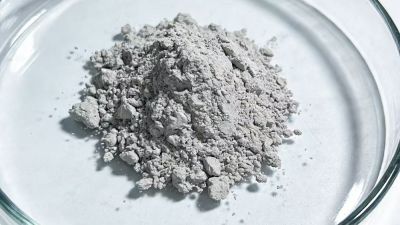
Choosing a Cement Mix supplier is really about more than just finding the rock-bottom price. For global buyers, you've got to have dependable quality, clear documentation, and delivery plans that actually line up with your project conditions. A pallet of bagged mix arriving damp? Or a shipment that gets delayed at the port? That can mess up your work schedule fast. So yeah, small details matter a lot.
So here's the thing about picking a cement supplier—Elena Voss, a procurement expert, sums it up pretty well: “A strong supplier proves consistency before the first order, not after a problem pops up.” That's the key, really. So when you're comparing options, don't just skim the surface. Look at the nitty-gritty stuff like product data sheets, test reports, and packaging options, and make sure they handle regional requirements too. I'd also ask about how they manage batch variation and moisture protection—those are the things that'll bite you later if they're not on top of them. And another thing, check if those lead times they're quoting actually include export handling. Surprisingly, a lot of them don't, so you'll want to clarify that upfront, not when you're in a bind.
Honestly, that '10 Best Cement Mix Suppliers' list is more of a jumping-off point than the final word. You know, different suppliers shine in different situations – it all depends on where you're shipping, how big your order is, what you're using it for, and how much support you need. A big manufacturer might have the distribution network down, but a smaller regional player could be way more responsive. Neither is automatically the winner. So, do yourself a favor: ask for current references, and don't just take their word on specs – verify it yourself. And if you can, get samples and test them under realistic site conditions. Yeah, that step's a time sink, but it's worth it. It also points out stuff a catalogue won't show you. This guide is all about helping you weigh your options – but honestly, no single supplier checks every box for every project.

International cement buyers need more than a low quotation. In 2023, global cement production reached an estimated 4.1 billion metric tons, according to the USGS Mineral Commodity Summaries 2024. That scale makes reliable sourcing, documentation, and delivery planning essential. Suppliers serving overseas projects may coordinate bulk or bagged shipments, provide batch test results, and confirm that products meet the destination market’s stated specifications. Buyers should also check port access, lead times, packaging, and how suppliers protect cement from moisture during transit. Moisture matters.
Price alone can mislead. A delayed vessel or damaged bags may cost more than a small difference in the quoted rate. The International Energy Agency notes that cement production contributes about 7% of global CO2 emissions, making product composition and emissions information relevant to some procurement plans. These figures do not tell buyers which supplier will perform best; project conditions and verified documents still matter. A “Mix It Cement” sourcing plan should match cement type, delivery schedule, and local technical requirements—not just the project’s headline volume.
Tips: Request recent test certificates and confirm the applicable standard before placing an order. Ask how the supplier handles claims for wet or damaged cargo, and clarify whether freight, insurance, and port charges are included. Compare delivered cost, not just factory price. Small detail. Big cost.
Choosing 32.5 Cement for tile and wall construction means balancing strength with workability. The Global Cement Report provides a broad view of a large, established industry; as a scale benchmark, the U.S. Geological Survey’s *Mineral Commodity Summaries 2024* estimates world cement production at about 4.1 billion metric tons in 2023. For strength context, EN 197-1 classifies 32.5 cement by a 28-day compressive-strength range of 32.5–52.5 MPa. Buyers should check the product’s applicable standard and technical data sheet, since a strength-class label alone does not establish suitability for every application.
Masonry 32.5 Cement is designed for practical jobs such as wall masonry and plastering, where smooth application and good adhesion can help create firm joints and an even surface. Its workability can also support tile installation by helping the installer form consistent bedding; the finished bond, however, depends on the substrate, preparation, mix proportions, and installation method. For floors subject to heavier loads or moisture, confirm that the specified mortar system is appropriate before use.
Sourcing from an experienced manufacturer with documented production controls and batch testing can help ensure consistency between deliveries. For residential and small commercial projects, compare strength documentation, setting characteristics, and application guidance—not just price—when selecting a cost-effective 32.5 cement.
Compare delivered cost, lead time, freight, insurance, and port charges. A low quote can become expensive after delays.
Request recent batch test results and product specifications. Check that they match the destination market’s requirements.
Confirm sealed packaging, covered storage, and moisture protection during transit. Wet bags can be difficult to use.
Options may include general-purpose, blended, and low-heat cement. Some suppliers also provide lightweight or custom mixes.
No. Ask about recent shipments, available stock, and realistic lead times. Installed capacity alone proves little.
Ask for the test method and curing conditions behind each value. Figures can be hard to compare.
No. Certification may show an established process, but cement-specific test results are still important.
Bag size, port access, handling, and local delivery routes all matter. Small details, big costs.
Not always. Ask how clinker ratios and emissions data were measured. The comparison may still be imperfect.
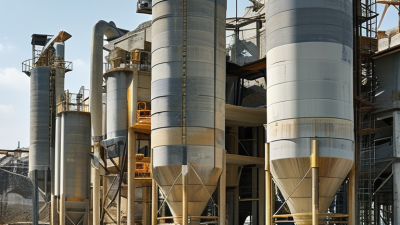
This guide explains how Cement Mix suppliers support international construction projects, from sourcing and production to export coordination and delivery. It outlines practical criteria for evaluating suppliers, including product range, manufacturing capacity, quality controls, documentation, and experience serving overseas buyers. The article also profiles ten leading supplier types and compares how their capabilities may suit projects with different volume, schedule, and performance requirements.
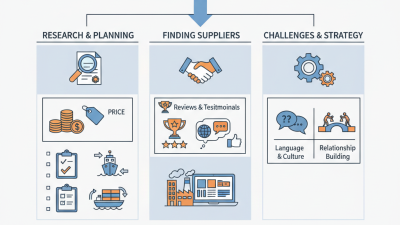
For global buyers, choosing a supplier involves more than comparing quoted prices. The guide highlights ways to confirm export readiness, regional availability, shipping options, and expected lead times, while also considering packaging, payment terms, contract specifications, and arrangements for handling delays or quality concerns. By assessing these factors together, buyers can make a more informed comparison and identify a Cement Mix supply partner that aligns with project needs and delivery requirements.






 Send
Email
 Phone