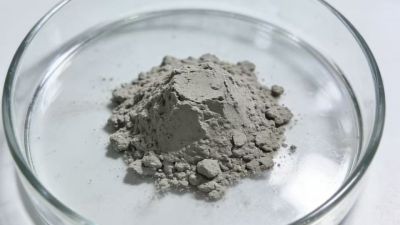
Where there's space - there's possibility

You know, Building Cement is pretty much the backbone of modern construction — it helps build everything from homes and bridges to warehouses and roads. Basically, it’s what holds all those materials together, turning aggregates into solid, durable concrete. And trust me, that strength has to last through loads, moisture, heat, and basically everything time throws at it. When choosing cement, it’s not just about the price. There’s a lot more to consider — how easy it is to work with, how fast it sets, how long it lasts, and even its environmental impact. Oh, and don’t forget the long-term maintenance too.
In 2023, the United States Geological Survey reported around 4.1 billion metric tons of cement were produced worldwide — that’s a HUGE number, and it really shows how critical cement is to the world’s construction. But yeah, all that production also takes a toll on the environment. The International Energy Agency points out that cement is one of the biggest sources of industrial CO2 emissions, mainly because limestone releases emissions during the clinker-making process. Meanwhile, the Global Cement and Concrete Association keeps emphasizing that concrete remains the most popular construction material globally. These stats are interesting, but honestly, they don’t tell the full story for your specific project — you still need proper testing and evaluation.
So, this guide’s gonna help you understand what Building Cement actually means, what the different types are, and where each one performs best. For example, Portland cement is usually good for general structural work. Blended cements are a smart choice if you’re trying to reduce clinker content and maybe get a bit better durability. Then there are options like rapid-hardening, sulfate-resistant, or low-heat cement — these are more for specific, tough conditions. And hey, standards really matter here. You’ll want to refer to things like ASTM C150, EN 197-1, or your local building codes to keep everything above board.
When you’re shopping for cement, it’s tempting to just look at strength ratings and go. But hold on — it’s more than that. You should check the type, the manufacturing date, certifications, storage conditions, and whether the supplier can trace where it came from. And even if a bag is sealed, that doesn’t mean it’s safe from humidity if it’s been sitting in a poorly ventilated warehouse. That’s a detail easy to overlook — don’t ignore it.
There’s no one-size-fits-all best cement. Picking the right one depends on your project’s design needs, the climate it’ll face, your contractor’s experience, lab test results, and what fits your budget overall. Sometimes, initial recommendations might change once tests or site conditions throw a curveball. So, stay flexible and ready to adapt.
Building cement is a hydraulic binder that hardens after mixing with water. It is not concrete. Concrete combines cement, aggregates, water, and sometimes chemical admixtures. Cement Building Materials depend on this binder for strength, durability, and resistance to weather.
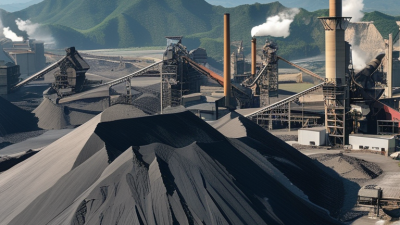
Manufacturing begins with limestone, clay, and small mineral correctives. These materials are crushed, proportioned, and blended into a consistent raw meal. The meal enters a preheater before reaching a rotary kiln, where temperatures approach 1,450°C. Limestone breaks down into lime and carbon dioxide. The remaining minerals react and form hard clinker nodules. After cooling, manufacturers grind the clinker with gypsum and selected supplementary materials. Gypsum controls setting time.
The figures are substantial. The U.S. Geological Survey reported global cement production near 4.1 billion tonnes in 2023. The Global Cement and Concrete Association estimates that cement contributes roughly 7% of global carbon dioxide emissions. The process is powerful, but not clean. Much of the carbon comes directly from limestone chemistry, not only from fuel combustion. Lower-clinker formulations can reduce emissions, although performance depends on local materials and quality control. A practical mistake is treating every cement type as interchangeable. Moisture, curing temperature, mix proportion, and storage conditions can change results noticeably. Even a well-designed formula may fail when bags sit on a damp warehouse floor.
Building cement is a hydraulic binder made by heating limestone and clay-based materials to form clinker, then grinding the clinker with a controlled amount of gypsum and, for blended cements, other mineral additions. It hardens after mixing with water and is used in mortar, concrete, grout and other construction materials.
How to read the chart
The chart shows the nominal 28-day compressive-strength classes defined for common cement under EN 197-1. The values refer to standardized cement mortar, not finished concrete. Higher-strength classes are often selected for heavily loaded or faster construction, while lower classes can suit general-purpose masonry and concrete work.
Buying guide
Building cement is available in several forms, and each type suits a different construction need. Ordinary Portland cement is widely used for foundations, columns, floors, and general concrete work. It gains reliable strength, but it may produce more heat during hydration. Portland pozzolana cement contains reactive mineral materials that improve long-term durability. It often performs well in humid areas and masonry work. However, curing must be consistent.
Portland slag cement is useful where resistance to moisture, salts, and industrial exposure matters. Its early strength can develop more slowly, so removing formwork too soon may create problems. Rapid-hardening cement reaches useful strength faster and supports urgent repairs or road work. It requires careful mixing and temperature control. White cement is selected for decorative surfaces, tile joints, and architectural details rather than ordinary structural concrete. Masonry cement supports mortar production, but it should not automatically replace structural cement.
The right choice depends on load, weather, curing conditions, and local building standards. On site, a dry bag should feel free-flowing, not lumpy. A damp store room can quietly damage cement before use. For each Building Item, check the cement grade, production date, and required water ratio. A common mistake is adding extra water to improve workability. It feels easier, but strength and surface quality may suffer. I would also question any universal recommendation, because soil, climate, and workmanship can change the result. A qualified engineer should confirm cement selection for load-bearing structures.
Quality building cement should be uniform, fresh, and suitable for its intended work. It should flow smoothly when mixed, without hard lumps or unusual odors. Fine particles usually improve bonding, but excessive fineness can increase water demand and shrinkage. A pale color alone proves little. Fresh is safer.
Strength develops over time, so responsible buyers should check the cement’s tested strength class and setting behavior. Good cement should begin setting within a predictable period and harden without dangerous expansion or cracking. Soundness is important; unstable cement may damage walls, floors, or foundations later. Laboratory certificates provide stronger evidence than sales claims, especially when construction loads are serious.
Storage also affects quality. Keep bags on raised pallets, away from rain, damp floors, and open windows. Use older bags first, and reject bags containing solid, stone-like pieces. I have seen acceptable cement become unreliable after poor storage. That check matters. Buyers should also confirm the production date, batch details, applicable construction standard, and recommended water ratio. Too much water makes mixing easy, but often weakens the hardened material. On-site judgment helps, yet a simple strength test can reveal problems that appearance cannot.
| Cement Type | Main Characteristics | Typical Uses | Key Advantages | Important Limitations | Quality and Buying Checks |
|---|---|---|---|---|---|
| General-Purpose Portland Cement | Hydraulic cement that sets and hardens through a reaction with water. Suitable for ordinary concrete and mortar work. | House foundations, slabs, beams, columns, pavements, masonry mortar and general structural concrete. | Widely available, versatile and suitable for many common construction applications. | May generate more heat and have lower chemical resistance than specialized cement types. | Check the applicable national standard, production date, sealed packaging, uniform powder and documented strength performance. |
| Blended Portland Cement | Contains Portland cement combined with supplementary cementitious materials such as slag, natural pozzolan or fly ash. | General building construction, mass concrete, infrastructure, masonry and projects seeking reduced environmental impact. | Can improve durability, reduce heat of hydration and lower the clinker content of the cement. | Some formulations develop early strength more slowly, especially in cool conditions. | Review the blend type, declared strength class, setting time, curing requirements and compatibility with the intended application. |
| Rapid-Hardening Cement | Designed to achieve higher early strength than ordinary cement through controlled composition and finer grinding. | Road repairs, precast concrete, urgent repairs, construction in short time frames and early formwork removal. | Faster strength development can shorten construction cycles. | May produce greater heat and requires careful control of mixing, placing and curing. | Compare early-age and later-age strength data, verify setting time and confirm that rapid strength gain is actually required. |
| Low-Heat Cement | Formulated to release less heat during hydration than ordinary cement. | Dams, large foundations, thick retaining walls and other mass concrete structures. | Helps reduce the risk of thermal cracking in large pours. | Early strength may be lower, and construction may require longer curing and formwork periods. | Check heat-of-hydration data, strength development, placement temperature limits and the project’s thermal-control plan. |
| Sulfate-Resisting Cement | Has a composition intended to improve resistance to sulfate-related expansion and deterioration. | Foundations and underground concrete exposed to sulfate-bearing soil or groundwater, when specified by an engineer. | Provides improved protection in suitable sulfate exposure conditions. | It is not a substitute for proper concrete mix design, adequate cover, low permeability and good curing. | Obtain soil or groundwater test results, confirm the required exposure classification and verify compliance with the relevant standard. |
| White Cement | Made from raw materials with very low levels of coloring oxides, producing a light-colored cement. | Architectural concrete, terrazzo, decorative mortar, tile grout, finishes and precast decorative elements. | Provides a clean appearance and allows bright or accurately tinted finishes. | Usually costs more and may not be the most economical choice for ordinary structural work. | Check color consistency, whiteness, fineness, intended application and compatibility with pigments or aggregates. |
| Masonry Cement | Blended cementitious material designed mainly for masonry mortar, with workability and water-retention characteristics. | Brickwork, blockwork, stone masonry and non-structural plastering where permitted by local codes. | Provides smooth handling, good workability and consistent mortar performance. | It is generally not intended to replace structural concrete cement unless specifically approved. | Confirm the product standard, mortar classification, bond requirements and whether the application is structural or non-structural. |
| Waterproofing or Water-Repellent Cementitious Product | Special cement-based product containing additives or designed for reduced water penetration in specific applications. | Basement coatings, tanks, bathrooms, repair work and other areas requiring cementitious water-resistance treatment. | Can provide a practical surface treatment when applied to a correctly prepared substrate. | It does not automatically make a structure watertight; cracks, joints, drainage and detailing still require attention. | Review permeability data, substrate requirements, application thickness, curing instructions and suitability for positive or negative water pressure. |
| Specialty Cement for High-Temperature or Chemical Conditions | Engineered for specific service environments, such as high temperatures, severe chemical exposure or specialized industrial use. | Industrial floors, furnaces, chemical facilities, refractory-related applications and specialized repairs. | Can provide performance beyond ordinary building cement when correctly selected and installed. | Requires application-specific design; ordinary cement properties cannot be assumed. | Request technical data for temperature resistance, chemical compatibility, strength, setting behavior and installation procedures. |
| Quality Property | What to Look For | Why It Matters | Practical Verification | Warning Signs | Recommended Buying Approach |
| Freshness and Storage | Clearly marked production date, intact packaging and dry storage conditions. | Cement gradually loses performance when exposed to moisture or stored for long periods. | Inspect bags or containers for damage, hard lumps and signs of moisture exposure. | Hardened particles, damp packaging, unclear labeling or storage directly on a wet floor. | Buy only the quantity that can be used within a reasonable period and store it on pallets in a dry, covered area. |
| Strength Class | Declared compressive strength class or performance grade according to the relevant standard. | Ensures that the cement is appropriate for the required concrete or mortar design. | Read the technical datasheet and match the cement to the engineer’s mix specification. | Choosing cement solely because it has a higher label value without checking the complete mix design. | Use the specified strength class rather than assuming that the strongest available cement is always best. |
| Fineness | Uniformly fine powder with fineness reported through the applicable test method. | Influences hydration rate, early strength, water demand and workability. | Use certified test data; visual inspection alone cannot accurately determine fineness. | Excessive variability, large lumps or unexplained changes in water demand. | Compare certified laboratory data and select a product with consistent quality control. |
| Setting Time | Initial and final setting times appropriate for mixing, transportation, placement and finishing. | Provides enough working time while allowing the material to harden within the required schedule. | Check the technical datasheet and consider ambient temperature and site conditions. | Unexpectedly rapid stiffening, delayed setting or inconsistent performance between batches. | Choose a cement compatible with the construction schedule and any admixtures used in the concrete. |
| Soundness and Volume Stability | Limited undesirable expansion after setting and adequate dimensional stability. | Reduces the risk of cracking, distortion and long-term deterioration. | Confirm compliance with the applicable soundness test and product standard. | Cracking, expansion or unusual deformation not explained by the mix or environment. | Purchase cement supported by conformity certificates and stable production records. |
| Workability and Water Demand | Consistent behavior during mixing, placing and finishing without requiring excessive water. | Excess mixing water can reduce concrete strength and increase permeability. | Use the specified water-to-cement ratio and conduct trial mixes when necessary. | Needing much more water than the approved mix design or rapid loss of workability. | Evaluate cement together with aggregates, admixtures, temperature and the complete mix design. |
| Durability Compatibility | Suitable resistance and performance for moisture, sulfates, chlorides, freeze-thaw cycles or other exposure conditions. | Concrete durability depends strongly on the exposure environment and permeability. | Identify the exposure class and consult project specifications or a qualified concrete professional. | Using general-purpose cement in a severe environment without additional durability measures. | Select cement and concrete materials as a system, including low permeability, adequate cover and proper curing. |
| Compliance and Traceability | Conformity with the applicable national or international cement standard and a traceable batch number. | Provides evidence that the material has been tested and manufactured under controlled requirements. | Check the bag label, certificate of conformity, technical datasheet and batch information. | Missing standard reference, incomplete labeling or unavailable technical documentation. | Choose documented, standard-compliant cement from a verified construction-material supplier. |
Cement is a binding Building Material used in concrete, mortar, grout, and surface finishes. In construction, it reacts with water and hardens around sand and aggregate. Concrete carries structural loads in foundations, columns, beams, floors, and bridges. Mortar bonds bricks or blocks, while cement-based plaster protects and smooths walls.
Different projects require different cement performance. General-purpose cement suits many residential slabs and footings. Rapid-hardening cement can support repairs where time matters, but workers must control heat and cracking. Sulfate-resistant cement is more suitable for soil or groundwater with aggressive chemical conditions. For roads, factories, and heavy foundations, engineers often adjust the concrete mix rather than simply adding more cement. More cement does not automatically mean stronger concrete.
Buying decisions should follow the project specification, local standards, and professional advice. Check the cement type, production date, test documentation, and packaging condition. Lumpy bags suggest moisture damage. Store bags on raised pallets, away from walls and rain. On site, poor measuring and excess water often cause weak surfaces, even with suitable cement. That is an easy mistake. Field conditions can also differ from laboratory results, so trial batches and basic strength testing deserve attention. A cheaper material may create costly repairs when curing, mixing, or storage is neglected.
Choosing cement begins with the building’s exposure, load, and construction schedule. Ordinary Portland cement suits many foundations, slabs, and masonry projects under moderate conditions. It is not always the safest choice. Sulfate-rich soil, coastal air, or repeated wetting may require sulfate-resistant or blended cement. For fast repairs, rapid-hardening cement can reduce waiting time, but it demands careful mixing and curing. Ask a qualified engineer to confirm specifications for structural work. Small decisions matter.
Check the cement bag’s production date, conformity marking, and storage condition before buying. A reliable supplier should provide a current technical datasheet and batch information. Damp, hardened lumps suggest moisture exposure, even when packaging looks intact. Reject it.
Compare the price per usable kilogram, not only the bag price. Transport distance, waste, and additives can change the real cost. In Building And Materials purchasing, traceability often matters more than a discount.
On site, use clean water and measure aggregates consistently. Follow the specified water-cement ratio. Extra water makes placement easier but can weaken hardened concrete. Keep fresh concrete shaded and cure it for the required period. I have seen rushed curing create surface cracks that looked minor at first. That judgment was wrong. Weather changes quickly, so crews should adjust protection and curing methods. Uncertain conditions deserve professional review.
Buying building cement safely starts with checking the bag, not just the price. Choose cement suitable for the planned work, such as masonry, concrete, or plastering. Read the label for cement type, strength class, manufacture date, and storage instructions. Avoid torn, damp, or hardened bags. Cement should feel powdery, not lumpy. Ask a qualified supplier about local conditions and required performance. This small conversation can prevent an expensive repair. Compare net weight and delivery conditions, because a cheaper bag may include hidden handling costs. Keep the receipt and batch details for traceability.
Good records matter.
At home or on site, store bags in a dry, covered room with airflow. Raise them on a pallet, several centimeters above the floor. Keep walls clear, and cover the stack with waterproof sheeting. Do not seal in moisture. Use older bags first. Avoid stacking too high, because unstable piles can fall.
Separate cement from rain, leaking pipes, fuels, and food. A storage plan sounds basic, yet it is often neglected.
Wear safety glasses, gloves, long sleeves, and a suitable dust mask when opening or mixing bags. Pour slowly to reduce airborne dust, and never sweep dry cement forcefully. Use ventilation, wash exposed skin promptly, and flush eyes with clean water after contact. Wet cement can cause serious skin burns, even when discomfort begins late. Follow the mixing ratio and use clean tools. Do not guess with water; excess water weakens hardened concrete. Rushed measurements can create cracks weeks later. Check the mix twice. Dispose of waste according to local rules.
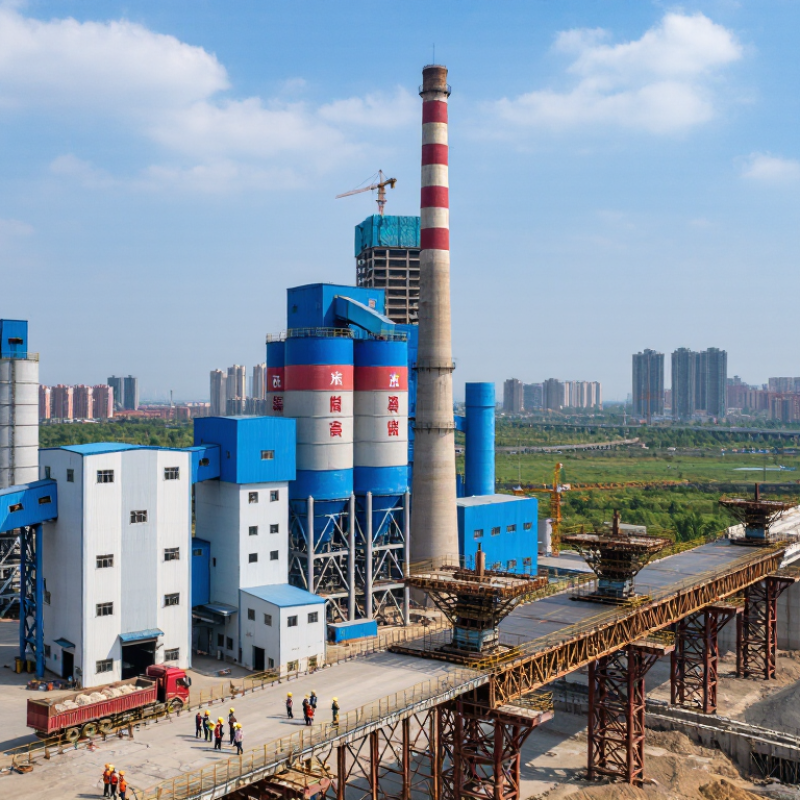
Composite 42.5 Cement is a high-performance construction material manufactured by leading suppliers in China for demanding infrastructure and building projects. Produced with advanced processing technology and supported by experienced research and development teams, it offers a balanced combination of strength, stability, and durability. Its consistent quality makes it suitable for concrete mixing plants and large-scale applications, including bridges, roads, high-rise buildings, industrial facilities, and other reinforced structures.
With high compressive and flexural strength, this composite cement helps concrete withstand heavy loads and long-term service conditions. It blends efficiently with aggregates and approved admixtures, supporting the production of uniform, workable concrete. Its excellent fluidity and moldability also make it well suited to precast manufacturing, including floor slabs, pipe piles, beams, and columns. These properties help improve dimensional accuracy, streamline production, reduce material waste, and control overall construction costs. By choosing Composite 42.5 Cement from a reliable China supplier, contractors and manufacturers can obtain a dependable material solution for projects that require efficient processing, structural performance, and lasting quality.
Building cement is a hydraulic binder that hardens after mixing with water. It is not concrete. Concrete contains cement, aggregates, water, and sometimes admixtures. Cement helps concrete, mortar, grout, and finishes develop strength.
Limestone, clay, and mineral correctives are crushed and blended into raw meal. The meal passes through a preheater and enters a rotary kiln. Kiln temperatures approach 1,450°C. The minerals form hard clinker nodules. After cooling, clinker is ground with gypsum and selected supplementary materials.
Gypsum controls cement’s setting time. Without suitable control, cement may stiffen too quickly during mixing. That can make placement difficult. The amount must remain appropriate for the cement formulation.
Quality cement should be uniform, fresh, and suitable for the intended project. It should mix smoothly without hard lumps or unusual odors. Strength should develop predictably over time. Sound cement should harden without harmful expansion or cracking. A pale color proves little. Fresh is safer.
Store bags on raised pallets, away from rain and damp floors. Keep them away from open windows and direct moisture. Use older bags first. Reject bags containing solid, stone-like pieces. I have seen good cement become unreliable after poor storage. That matters.
Cement binds materials in concrete, mortar, grout, and surface finishes. Concrete supports foundations, columns, beams, floors, and bridges. Mortar bonds bricks or blocks. Cement-based plaster protects and smooths wall surfaces. Each use requires suitable performance.
No. More cement does not automatically create stronger concrete. Water proportion, aggregate selection, mixing, curing, and measurement also matter. Excess water often weakens hardened material. A project may need a better mix design, not simply more cement. That assumption is easy to make.
General-purpose cement suits many residential slabs and footings. Rapid-hardening cement may help time-sensitive repairs. Workers must still control heat and cracking. Sulfate-resistant cement can suit aggressive soil or groundwater conditions. Engineers should match cement performance with project specifications.
Check the cement type, production date, batch details, strength class, and applicable standard. Review test documentation and the recommended water ratio. Inspect packaging for tears, dampness, and lumps. A laboratory certificate is stronger evidence than appearance alone. I would not rely on a sales claim without testing.
Cement production creates substantial carbon dioxide emissions. Some emissions come from limestone chemistry, not only fuel combustion. Lower-clinker formulations can reduce emissions when local materials perform reliably. Quality control remains essential. A lower-emission formula is not automatically suitable for every project.
Building Cement is a fundamental construction material made by heating selected mineral ingredients to create clinker, then grinding it into a fine powder with carefully controlled additions. It is available in several forms, each designed for different performance needs, such as general construction, rapid strength development, improved durability, or resistance to challenging environmental conditions. Quality cement should have consistent composition, good workability, reliable setting time, strong bonding ability, and sufficient long-term strength.
The right cement depends on the project, including residential buildings, foundations, floors, masonry, concrete structures, or repair work. Buyers should consider the required strength, curing conditions, exposure to moisture, and compatibility with other materials before making a selection. Cement should be purchased from dependable suppliers in intact, clearly labeled packaging. To preserve its quality, store it in a dry, covered, well-ventilated area above the floor and away from walls. During handling, use suitable protective equipment and avoid breathing cement dust or allowing prolonged skin contact.