Where there's space - there's possibility

Leave Your Message
0%

Looking for the top cement powder manufacturers in China for your global projects? Well, you’ve come to the right place. This guide takes a closer look at some of the most reliable Chinese suppliers that serve the construction, infrastructure, and industrial sectors worldwide. We're not here to throw rankings at you—just practical tips to help you make smarter purchasing decisions.

Some of the big names you’ll often hear about include Anhui Conch Cement, China National Building Material Group, Huaxin Cement, China Resources Cement, Shanshui Cement Group, Jilin Yatai Group, Tangshan Jidong Cement, Jiangxi Wannianqing Cement, Ningxia Building Materials, and Fujian Jianfu Cement. They offer all sorts of products—whether it’s ordinary Portland cement, blended varieties, or specialized cement powders suited for different building needs. Just a heads up: it’s super important to check each company's current export capabilities, certifications, where they’re manufacturing, and their technical specs before you jump in.

Quality all starts with having a steady supply of clinker, precise grinding processes, and reliable lab testing. Keep an eye on key details like chemical makeup, compressive strength, setting times, fineness, and soundness. Plus, packaging is a big deal—moisture-proof bags can really help keep the cement powder in good shape during long-distance shipping or storage. If you're dealing with bulk shipments, you'll also want to coordinate with silos, loading gear, and ports to make everything smooth.

Of course, no supplier is perfect. Some might have great production capacity but not much flexibility for small orders. Others might give you a better price but may be slower with communication or paperwork. That stuff really matters when you’re making big choices. It’s a good idea to ask for recent test reports, samples, factory details, and clear delivery terms upfront. Also, keep in mind that standards can differ from country to country—getting independent inspections can help cut down on surprises, though it’ll add some time and expense. This overview is a solid starting point, but just remember—doing your homework and due diligence is key to making the right call.
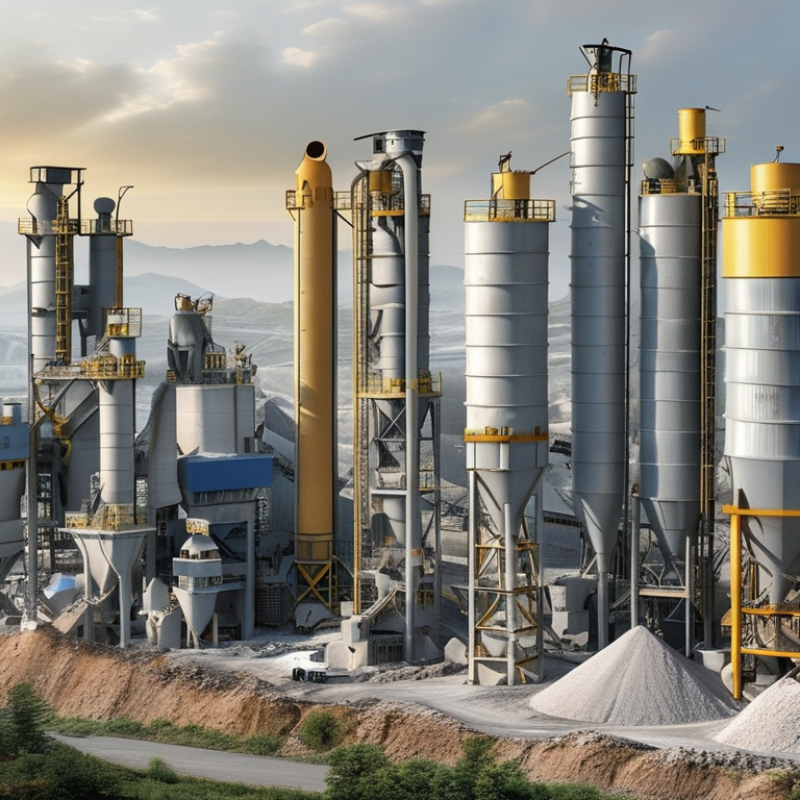
China Top 10 Cement Powder Manufacturers for Global Buyers?

What Is Cement Powder and Why Does Manufacturer Selection Matter?

Cement powder is a finely ground binding material used to make concrete, mortar, and grout. It usually contains clinker, gypsum, and carefully controlled mineral additions. When mixed with water, it forms a paste that hardens and holds aggregates together. Its performance depends on fineness, chemical balance, setting time, and storage conditions.

Manufacturer selection matters because two powders can look identical in a sample bag. Their field performance may differ significantly. A dependable producer should provide recent laboratory reports, batch traceability, and clear test results for strength, soundness, and setting time. Buyers should also check whether the factory can maintain stable quality across large shipments. Slag Powder may improve durability and reduce heat development, but its proportion must suit the project and local curing conditions.

Practical details deserve attention. Inspect the packaging, moisture protection, loading process, and warehouse ventilation. Damp powder can form hard lumps before it reaches the job site. Ask for samples from different production batches, not only one carefully selected bag. A low quotation may seem attractive. It can become expensive when strength varies, deliveries arrive late, or technical support is weak. I have seen purchasing decisions focus too heavily on price; that approach needs reconsideration. A reliable manufacturer explains limitations openly and helps match the cement type to climate, equipment, and construction schedule.

Key Criteria for Evaluating China’s Cement Powder Manufacturers

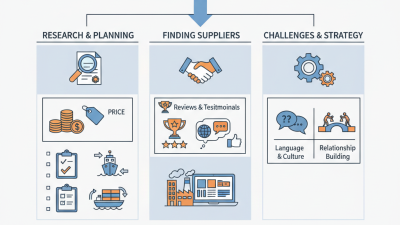
Choosing among China’s top cement powder manufacturers requires more than comparing quoted prices. A reliable evaluation starts with product fit. Check the cement type, strength class, setting time, fineness, and chemical composition. Request recent laboratory reports and independent test results. Samples should match the specifications promised in writing. They should also perform consistently after transport and storage.

Factory capability matters. Review production capacity, kiln technology, quality-control procedures, and batch traceability. Ask how raw materials are tested before processing. A serious supplier can explain its testing frequency without vague answers. On-site audits provide stronger evidence than polished websites. Still, one visit cannot reveal every weakness. Repeat inspections may be necessary.

Export experience is another practical measure. Examine packaging strength, container loading methods, moisture protection, and shipping records. Confirm whether technical staff can solve problems across language and time zones. Clear documents reduce costly misunderstandings. Evaluate certificates carefully, because a certificate alone does not guarantee stable quality. Independent verification remains valuable.

Payment terms and production schedules also deserve attention. Very low prices may hide weaker controls, limited support, or inconsistent materials. A useful comparison includes total delivered cost, not only the factory quotation. Keep written records of specifications, test methods, and approved samples. The best decision may still involve uncertainty, so build reasonable inspection points into the purchasing plan.

Top 10 China Cement Powder Manufacturers for Global Buyers

Top 10 China Cement Powder Manufacturers for Global Buyers

Choosing among the top 10 China cement powder manufacturers requires more than comparing prices. Global buyers should examine product consistency, export experience, and technical support. Reliable manufacturers usually provide test reports, production details, and clear specifications for strength, setting time, and fineness.

A professional evaluation should include Portland cement, blended cement, and Fly Ash Powder options. Ask for recent batch samples before signing a large contract. Check whether the powder arrives in strong, moisture-resistant bags or bulk containers. A damp warehouse can quietly damage performance. I would also verify factory capacity, loading procedures, inspection records, and communication speed. Low prices may look attractive, but unstable quality can create expensive delays. No supplier is perfect, and even experienced buyers sometimes overlook packaging details.

Tips: Request an independent laboratory test for the first shipment. Compare samples from several manufacturers under the same testing conditions. Confirm minimum order quantities, lead times, payment terms, and destination-port documents. Keep written records of every technical requirement. A clear checklist helps prevent misunderstandings, although it cannot replace physical inspection.

Product Types, Quality Standards, and Production Capabilities

China’s top 10 cement powder manufacturers serve buyers across construction, infrastructure, precast, and industrial projects. Their main product types include ordinary Portland cement, blended cement, white cement, low-heat cement, and sulfate-resistant cement. Blended grades may contain slag, fly ash, limestone, or pozzolanic materials. Each option suits different conditions.

Quality should be checked against recognized standards, such as ASTM, EN, ISO, or applicable national requirements. Buyers should review compressive strength, setting time, fineness, soundness, and chemical composition. A recent certificate of analysis is useful, but it is not enough alone. Independent sampling can reveal uneven color, moisture, or inconsistent particle size. That detail matters during concrete mixing.

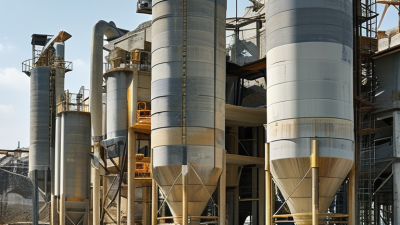
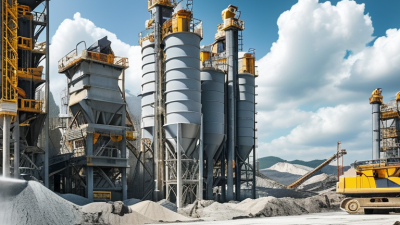
Large Chinese plants often operate integrated clinker lines, vertical roller mills, automated packing systems, and bulk loading facilities. Some offer bags from 25 to 50 kilograms, while others ship cement in tankers or containers. Production capacity may reach several million tonnes annually. Still, higher capacity does not automatically mean better consistency. I have found that batch traceability, laboratory testing, and stable raw material supply deserve closer attention. Buyers should also confirm monthly output, lead times, export packaging, and port access. A factory may present impressive equipment, yet provide limited technical support after shipment. Clear inspection procedures and contract-based quality controls can reduce that risk.

Export Services, Packaging Options, and International Logistics

China’s top cement powder manufacturers increasingly compete through export execution, not only production scale. For global buyers, Concrete Powder should arrive dry, traceable, and ready for local quality checks. The International Energy Agency reported that cement production created about 2.3 gigatonnes of direct CO2 emissions in 2022. This makes verified composition and lower-carbon production data commercially important.

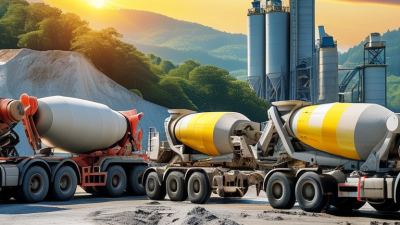
Packaging must match the destination and handling system. Standard woven bags often hold 25 or 50 kilograms, while one-tonne jumbo bags reduce manual loading. Moisture-resistant inner liners protect powder during humid voyages. Bulk shipments can use pneumatic tankers, but receiving sites need compatible silos and unloading equipment. One detail is easy to miss. Bags may look strong, yet damaged stitching can create dust loss and contamination.

Export teams should provide commercial invoices, packing lists, certificates of analysis, and country-specific documents before loading. Independent pre-shipment testing can confirm fineness, setting time, and strength performance. UNCTAD’s Review of Maritime Transport states that over 80% of world trade by volume moves by sea, so freight planning matters. Container shortages, port congestion, and transshipment delays can still disrupt delivery. Incoterms, insurance, pallet design, and real-time tracking should be agreed in writing. I would not treat a low quotation as proof of value; overlooked inland fees can change the landed cost sharply.

China Top 10 Cement Powder Manufacturers for Global Buyers? - Export Services, Packaging Options, and International Logistics

Comparison of export-oriented cement powder manufacturing profiles in China. Capacity figures are presented as practical industry ranges, while packaging, documentation, and logistics options reflect commonly available international supply practices.

Rank Manufacturing Region Typical Product Portfolio Indicative Annual Cement Capacity Common Export Markets Bulk Export Services Packaging Options Quality & Export Documentation Typical Logistics Solutions Recommended Buyer Profile
1 East China coastal manufacturing zone Ordinary Portland cement, blended cement, low-heat cement, high-strength grades 2–5 million tonnes per year Southeast Asia, South Asia, Africa, Middle East Bulk vessel loading, pneumatic tanker loading, containerized liner-bag filling 25 kg and 50 kg paper bags, 1.0–1.5 tonne jumbo bags, bulk tankers Mill test certificate, certificate of analysis, packing list, commercial invoice, certificate of origin, safety data sheet where required Nearby seaports, full-container-load shipping, breakbulk and bulk-vessel coordination Large contractors, infrastructure projects, regional distributors
2 South China industrial corridor Portland cement, sulfate-resistant cement, masonry cement, blended cement 1–3 million tonnes per year ASEAN, Pacific Islands, Australia, East Africa Export-grade palletizing, container stuffing, bulk loading by flexible hose Multiwall kraft bags, woven polypropylene bags, moisture-resistant laminated bags, jumbo bags Batch traceability, compressive-strength test results, origin documents, fumigation documents for wooden packaging when applicable Short inland distance to container terminals, feeder vessels, transshipment routing Importers requiring flexible order quantities and regular container shipments
3 Central China river and rail logistics zone General-purpose Portland cement, pozzolanic cement, fly-ash blended cement 1–3 million tonnes per year Central Asia, South Asia, Southeast Asia, inland African markets Rail-to-port transfer, bulk truck loading, export container consolidation 40 kg and 50 kg bags, 1.5 tonne bulk bags, container liners for powdered cargo Product specification sheet, test certificate, customs declaration, certificate of origin, pallet and loading record Rail, river barge, trucking, and multimodal routes to coastal ports Buyers prioritizing inland distribution and multimodal transport
4 Northern coastal cement-producing region Ordinary Portland cement, high-strength cement, oil-well cement, low-alkali cement 2–4 million tonnes per year Middle East, North Africa, Central Asia, Eastern Europe Bulk export contracts, project-based production scheduling, containerized bagged cargo 25 kg, 40 kg, and 50 kg bags; 1.0–2.0 tonne jumbo bags; bulk shipments Strength-grade reports, setting-time data, fineness and soundness test results, export customs documents Deep-water ports, bulk carriers, container vessels, rail-connected warehouses Oil and gas service companies, precast producers, major construction groups
5 Southwest China limestone and clinker belt Portland cement, composite cement, pozzolanic cement, rapid-hardening grades 1–2.5 million tonnes per year South Asia, Southeast Asia, South Asia border markets Clinker and finished-cement export programs, bagging, bulk tanker dispatch Woven bags with inner liners, laminated kraft bags, jumbo bags, bulk pneumatic delivery Clinker factor information, laboratory test certificate, batch number, packing list, origin certificate Truck and rail transport to coastal ports; cross-border road freight for nearby markets Distributors serving price-sensitive and fast-growing construction markets
6 Northwest China mineral-resource region General-purpose cement, sulfate-resistant cement, road and bridge cement, low-temperature grades 0.8–2 million tonnes per year Central Asia, West Asia, Mongolia, inland project destinations Project cargo planning, palletized bag supply, bulk truck and rail dispatch 50 kg bags, moisture-resistant bags, jumbo bags, bulk tank transport Mill certificate, technical data sheet, origin certificate, customs paperwork, transport and loading records Rail freight, cross-border trucking, container service through northern and eastern gateways Infrastructure contractors and buyers with inland or land-border delivery requirements
7 Yangtze River economic corridor Portland cement, slag-blended cement, fly-ash cement, marine construction cement 1.5–3.5 million tonnes per year East Asia, Southeast Asia, Africa, Middle East High-volume export scheduling, bulk vessel loading, container liner-bag service 25 kg and 50 kg bags, palletized bags, jumbo bags, bulk ship and tanker delivery ISO-style quality management records, batch testing, product conformity documents, origin and shipping documents River-sea intermodal transport, container terminals, bulk carriers, warehouse transloading Marine contractors, port developers, ready-mix and precast producers
8 Fujian and coastal southeastern manufacturing area Portland cement, blended cement, masonry cement, decorative and specialty cement powders 0.8–2 million tonnes per year ASEAN, Pacific Islands, South Asia, coastal Africa Small and medium export lots, private-label-neutral packaging, containerized delivery 20 kg, 25 kg, and 50 kg bags; printed or plain bags; jumbo bags on request Commercial invoice, packing list, certificate of origin, technical data sheet, pre-shipment inspection support Container freight, feeder services, port-side consolidation, door-to-port forwarding Import wholesalers, hardware distributors, and medium-sized construction suppliers
9 Shandong and Bohai Rim industrial zone Portland cement, high-strength cement, sulfate-resistant cement, clinker-based products 1–3 million tonnes per year Japan, Korea, Middle East, Africa, Southeast Asia Bulk and bagged export contracts, loading supervision, scheduled vessel dispatch 25 kg and 50 kg bags, woven polypropylene bags, kraft bags, jumbo bags, bulk cargo Laboratory test report, certificate of analysis, batch traceability, origin documentation, cargo insurance support Deep-water port access, bulk carriers, container vessels, rail and truck connections Buyers seeking stable bulk supply and established port infrastructure
10 Southwest and southern inland distribution network Ordinary Portland cement, blended cement, road cement, general construction cement 0.5–1.5 million tonnes per year South Asia, ASEAN border markets, Africa through coastal transshipment Containerized bag exports, regional truck delivery, mixed-load consolidation 40 kg and 50 kg bags, laminated moisture-resistant bags, palletized cargo, jumbo bags Product specification sheet, batch test results, packing list, invoice, certificate of origin, loading photographs Road and rail to southern ports, cross-border trucking, container freight and transshipment Regional distributors and buyers with moderate volumes or mixed product requirements

How Global Buyers Can Compare Suppliers and Request Quotes

China Top 10 Cement Powder Manufacturers for Global Buyers?

Global buyers should compare cement powder manufacturers by more than ranking lists. Start with product standards, factory capacity, export experience, and quality-control procedures. Ask for recent test reports covering strength, setting time, fineness, and moisture content. These details matter when Powder Concrete must perform consistently on a real construction site.

Request a clear quotation with grade, packaging, minimum order quantity, lead time, loading port, and payment terms. Also confirm whether prices include testing, pallets, documentation, and transport preparation. A reliable supplier should explain how samples are sealed and tested before shipment. Video factory inspections can help, but they are not a complete substitute for independent verification. I have found that vague answers often create larger costs later.

Tips: Send every supplier the same inquiry sheet. Compare like with like. Request a small sample before placing a major order. Check batch numbers, production dates, and storage guidance. Keep communication records, because one overlooked detail can change the final landed cost. Do not assume the cheapest quote is the best value. That assumption deserves a second look.

FAQS

What product details should buyers compare?

Check cement type, strength class, setting time, fineness, and chemical composition. Written specifications matter. Samples should match them.

Why are recent laboratory reports important?

Recent reports show current batch performance. Request independent test results, not only factory documents. One report may still miss variation.

How can buyers assess factory capability?

Review kiln technology, production capacity, raw material testing, and quality-control procedures. Ask about testing frequency. Vague answers are warning signs.

Is an on-site factory audit enough?

An audit reveals practical details, including storage areas and testing equipment. One visit cannot expose every weakness. Repeat checks may help.

What packaging details deserve attention?

Inspect bag strength, moisture protection, and container loading methods. Powder can harden in a damp warehouse. Small packaging errors create large losses.

How should export experience be evaluated?

Review shipping records, export documents, and destination-port procedures. Confirm technical support across languages and time zones. Fast replies are useful.

Should buyers choose the lowest quotation?

Not always. A low price may reflect weaker controls or unstable materials. Compare total delivered cost, including delays and inspections.

What should be confirmed before signing a large contract?

Confirm samples, minimum order quantities, lead times, payment terms, and inspection points. Keep every requirement in writing. Memory is unreliable.

How can buyers reduce quality risks during the first shipment?

Use an independent laboratory test for the first shipment. Compare several samples under identical conditions. I might still overlook storage damage.

Can certificates guarantee consistent cement powder quality?

No. Certificates support evaluation, but they do not prove every batch is stable. Physical inspection remains valuable. Uncertainty never disappears completely.

Conclusion

This guide introduces Cement Powder and explains why choosing the right manufacturer is essential for global buyers. It outlines key evaluation criteria, including raw material quality, production capacity, technical expertise, quality control systems, certifications, consistency, and delivery reliability. The article also presents a practical overview of ten leading types of Chinese manufacturers, without focusing on specific brand names, and compares their product ranges, performance standards, customization capabilities, and suitability for different construction applications.

It further discusses export support, packaging solutions, container loading, documentation, international logistics, and communication services. To help buyers make informed decisions, the guide provides a clear supplier comparison framework covering pricing, minimum order quantities, lead times, payment terms, testing reports, and after-sales support. It also explains how to prepare effective inquiries and request detailed quotations, enabling buyers to identify reliable partners, control procurement risks, and achieve a balanced combination of quality, cost, and delivery performance.
Liam

Liam

Liam is a dedicated marketing professional at Jiangsu Anmin New Building Materials Co., Ltd., a key player in the construction materials industry since its inception in 2010. With extensive expertise in the field, Liam specializes in the promotion of general-purpose silicate cement and masonry......
Previous Top Concrete Cement Manufacturers for Global Buyers