Where there's space - there's possibility

Leave Your Message
Where there's space - there's possibility
Turkey stands as a critical hub in the global construction and cement manufacturing industries. Positioned strategically between Europe, Asia, and the Middle East, the Turkish market has experienced a massive wave of urbanization, infrastructure development, and seismic rehabilitation. In recent years, the country has prioritized the construction of highly durable, earthquake-resistant high-rises, expansive transport networks, and marine structures. This shift has created an unprecedented demand for advanced concrete admixtures, particularly ultrafine powder for cement.
The local cement industry in Turkey, represented heavily by major producers in regions like Marmara, Aegean, and Central Anatolia, is rapidly evolving to meet international environmental standards. With the implementation of the European Green Deal and Carbon Border Adjustment Mechanism (CBAM), Turkish cement exporters and local ready-mix concrete suppliers are under intense pressure to reduce their carbon footprint. Traditional Portland cement (CEM I) is increasingly being substituted with blended cements incorporating mineral admixtures such as Ground Granulated Blast Furnace Slag (GGBFS) and Fly Ash.
Importing high-quality ultrafine mineral powder from China allows Turkish manufacturers to achieve superior concrete durability while reducing clinker usage, lowering production costs, and meeting carbon emission targets.
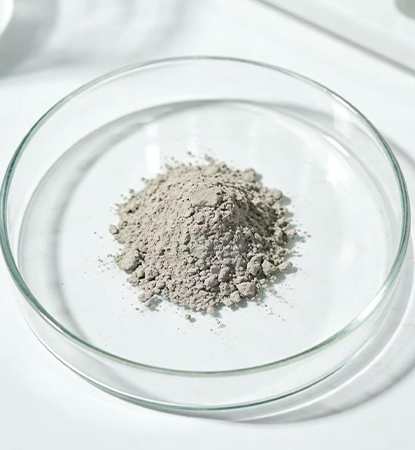
Several factors are driving the adoption of Chinese ultrafine powder in Turkey. First is the necessity for high-strength concrete (C50 and above) in seismic zones like Istanbul and Izmir. Ultrafine mineral powders, with a particle size distribution significantly smaller than standard cement, act as micro-fillers. They pack the void spaces between cement grains, resulting in a denser microstructure and enhanced compressive strength.
Second, Turkey's coastal development projects, including major port expansions and subsea tunnels, demand concrete with high resistance to sulfate and chloride penetration. Ultrafine GGBFS-Fly Ash blends react chemically with calcium hydroxide—a byproduct of cement hydration—to form additional calcium silicate hydrate (C-S-H) gel, which blocks capillary pores and protects steel reinforcement from corrosion.
Lastly, the economic environment in Turkey has prompted concrete batching plants to optimize material costs. Utilizing cost-effective, high-activity ultrafine composite powders from China enables local businesses to maintain competitive pricing without compromising on structural integrity.
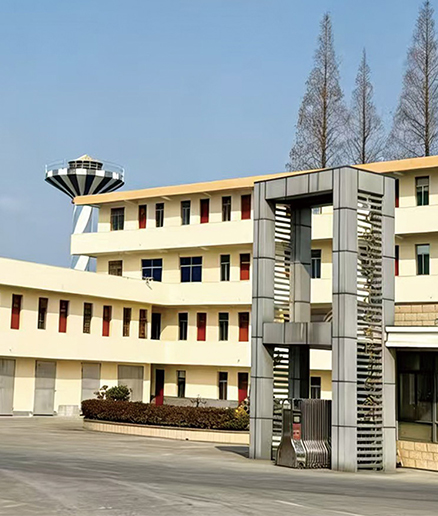
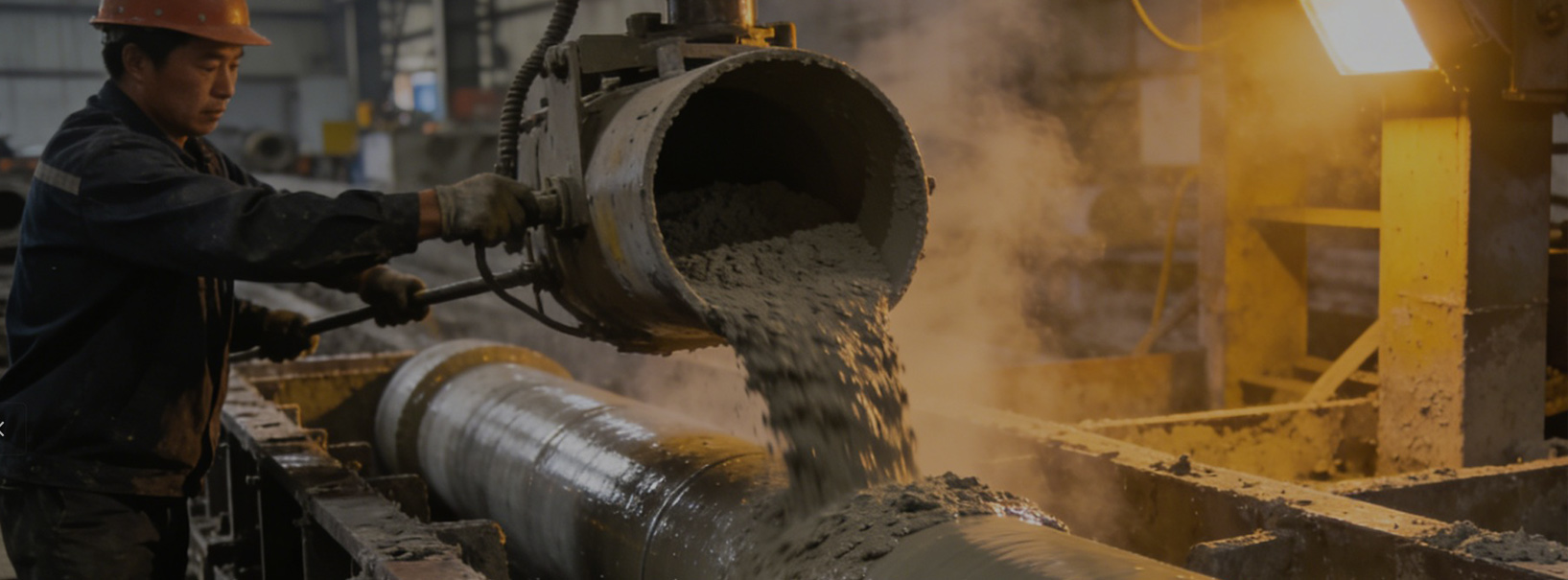
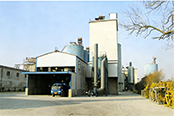
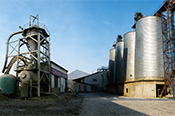
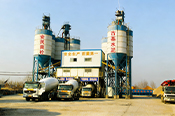
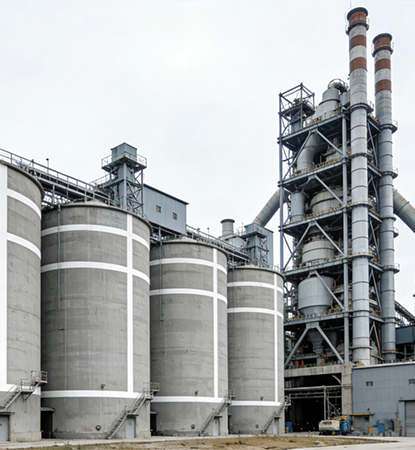
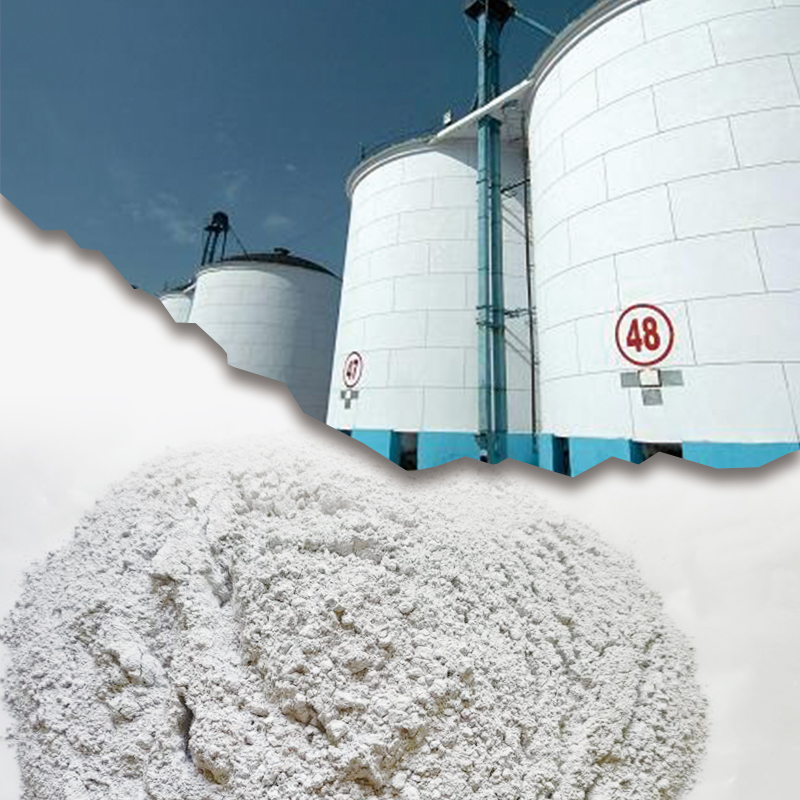
Located within the Guji Cement Co., Ltd. plant area in Jianhu County, the company operates under a unified management but separate accounting model with Guji. The company's production scale is 200,000 tons of ultrafine powder and 600,000 cubic meters of commercial concrete per year, with annual sales revenue exceeding 200 million yuan. The main equipment includes one φ3.2*13m ball mill, one φ2.6*13m ball mill, and one concrete mixing system and one wet mortar mixing system.
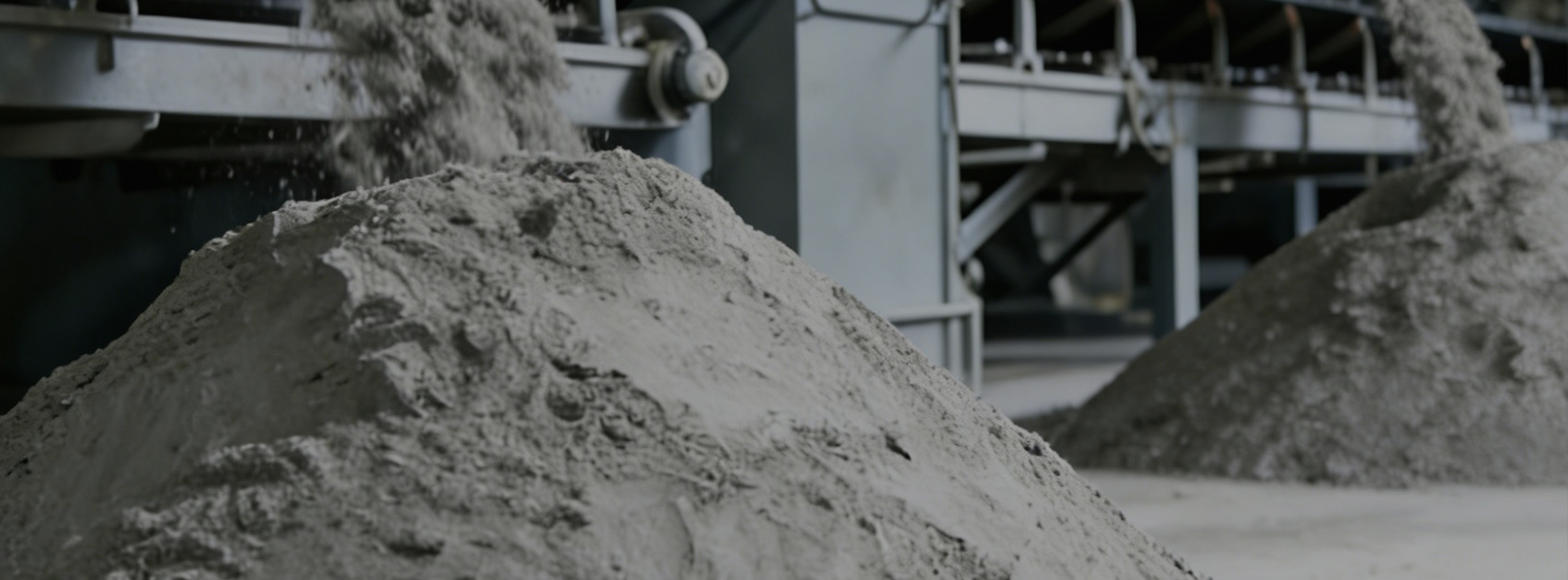
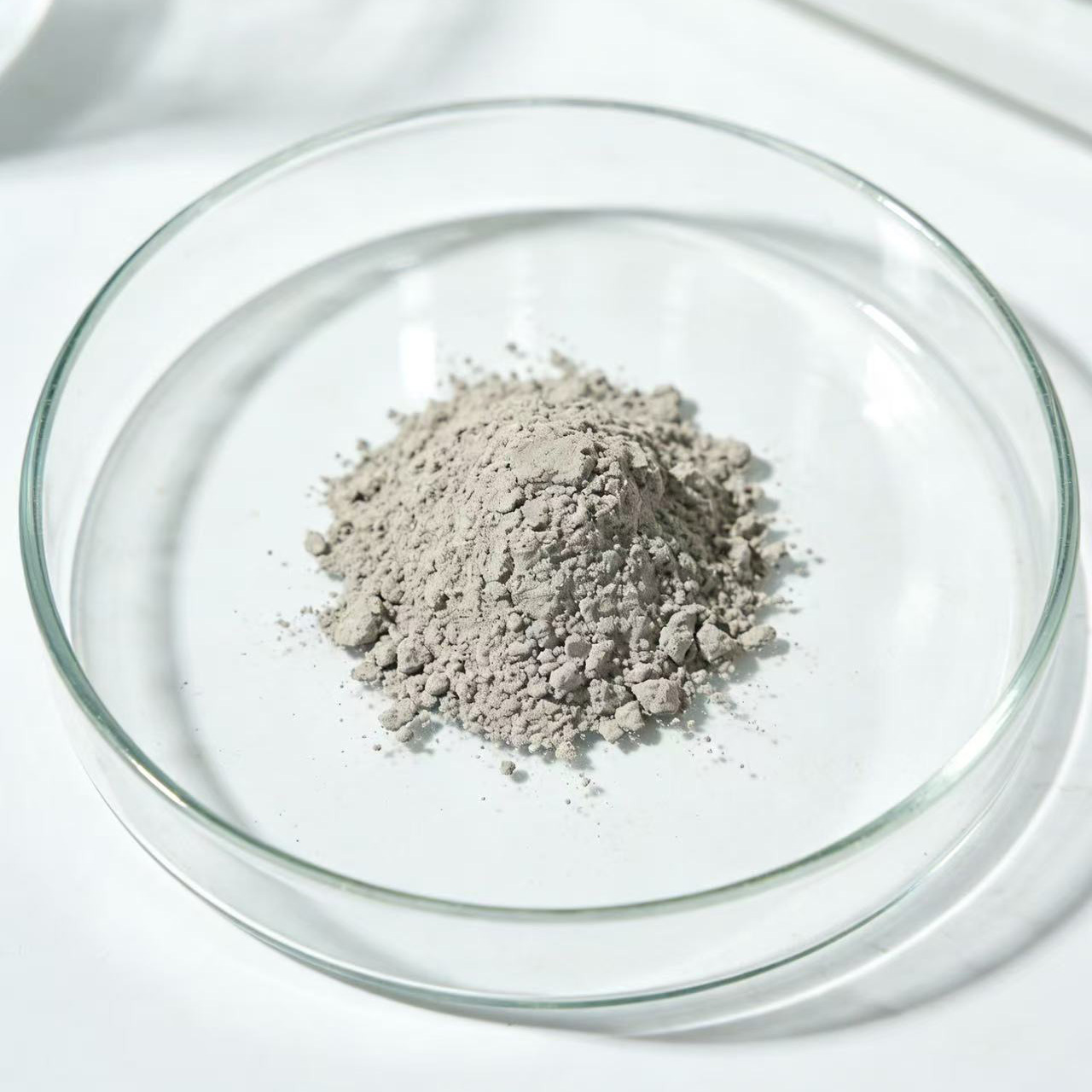
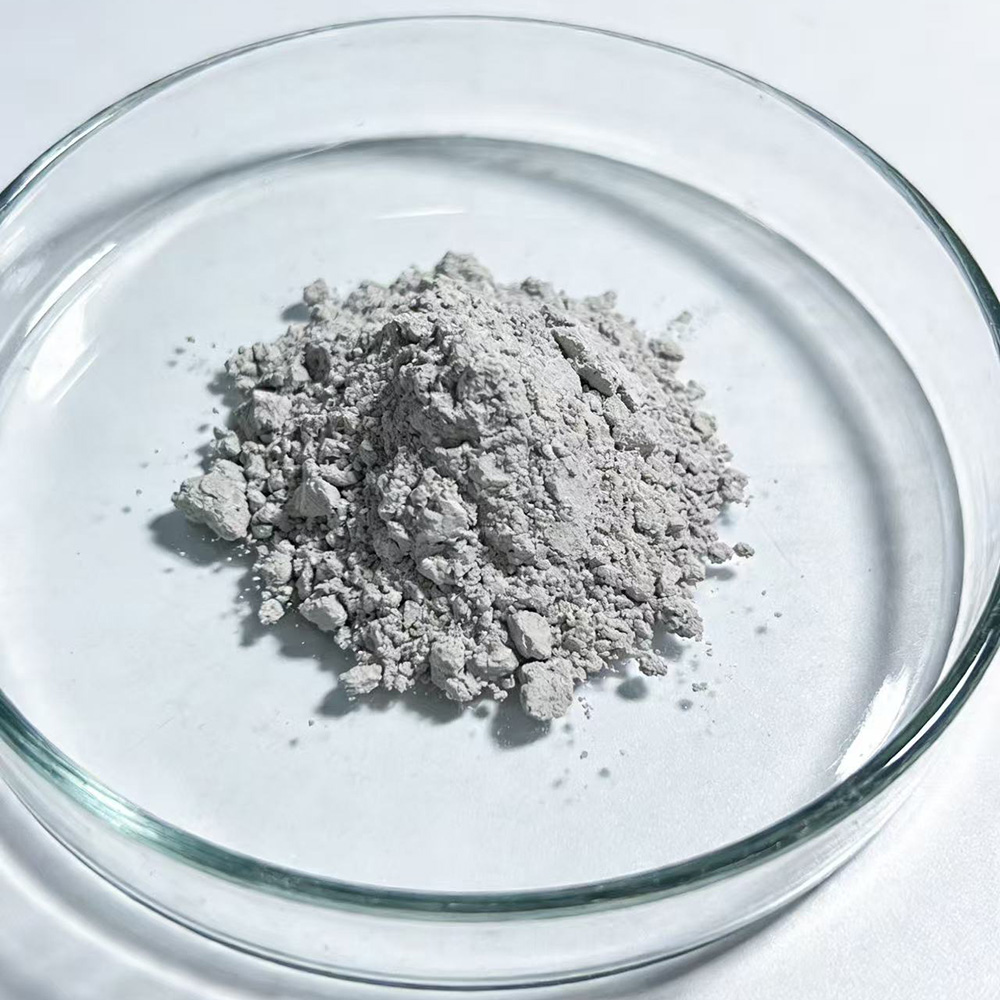
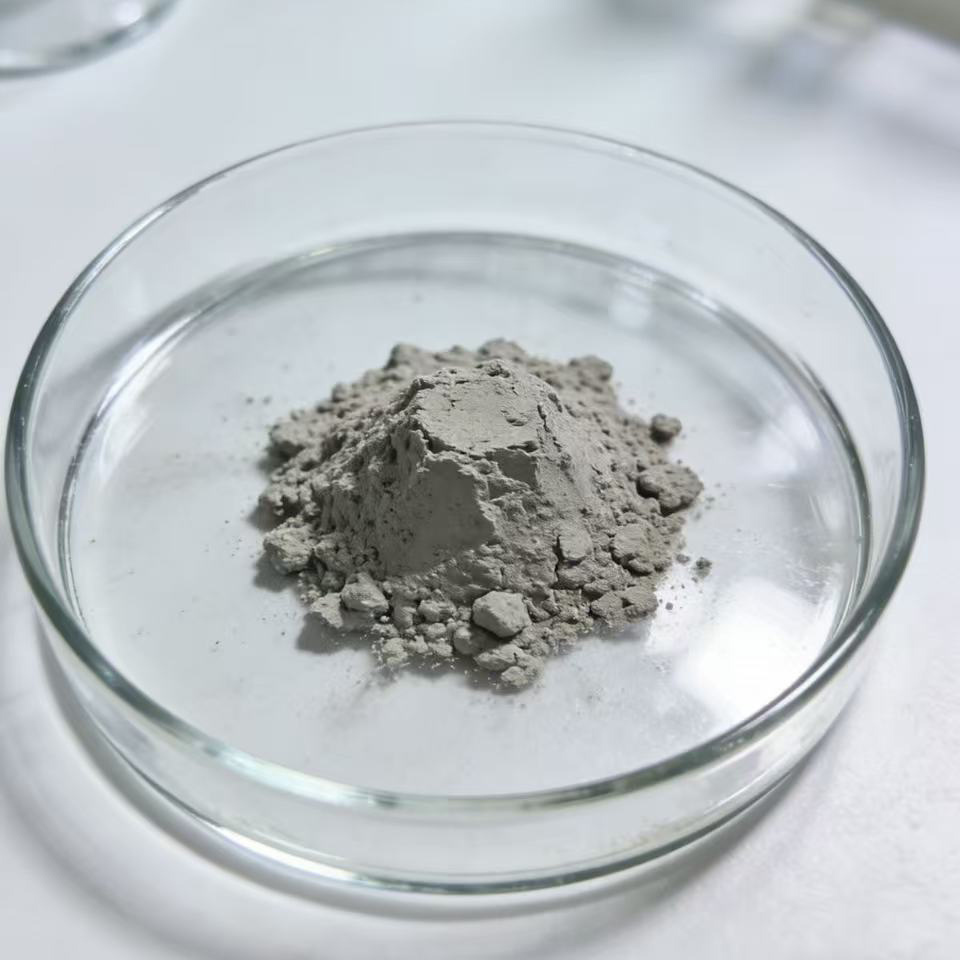
Through strict quality control and advanced milling technology, we supply high-activity GGBFS, fly ash blends, and composite cementitious materials to global markets, including Turkey, ensuring peak performance in diverse civil engineering and construction projects.
With Turkey's pledge to reach net-zero emissions by 2053, the local construction sector is rapidly moving away from high-clinker CEM I cements. Blended options like CEM II (Portland-slag/fly ash cement) and CEM IV (pozzolanic cement) are becoming the norm. The demand for ultra-fine mineral admixtures has spiked, as they allow concrete producers to add up to 30-50% replacement materials while maintaining high early-age and long-term strength.
Following the major earthquakes in Turkey, building regulations have become significantly more stringent. Structural engineers now specify high-performance concrete (HPC) with low water-to-binder ratios and excellent rheological properties. Ultrafine mineral powder improves concrete workability, reduces bleeding, and ensures that the concrete completely fills dense reinforcement layouts without voids.
Economic challenges and fluctuating energy prices in Turkey have forced cement manufacturers and batching plants to seek cost-saving raw materials. China's high-grade composite powders offer an optimal balance of cost and performance. By replacing a portion of expensive clinker or chemical admixtures with ultrafine GGBFS-fly ash blends, Turkish builders can achieve high-strength concrete at a lower cost per cubic meter.
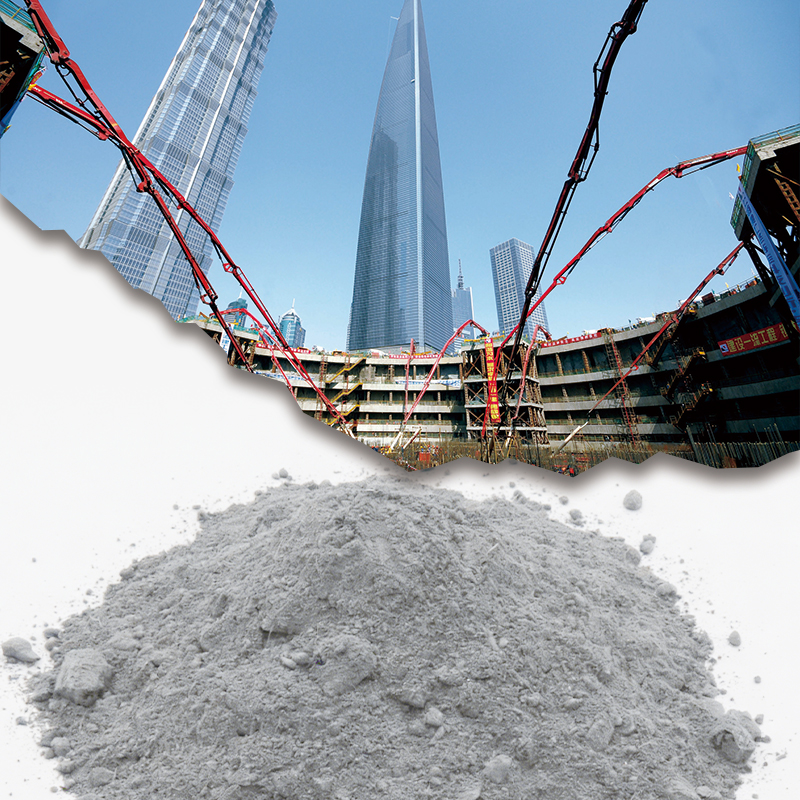
A. Seismic-Resistant High-Rises (Istanbul & Ankara): Tall buildings require concrete that can withstand extreme dynamic loads. Ultrafine powder increases the packing density of the cement paste, creating high-strength concrete (C60+) with superior elasticity and crack resistance. This is vital for the structural safety of residential and commercial towers in metropolitan areas.
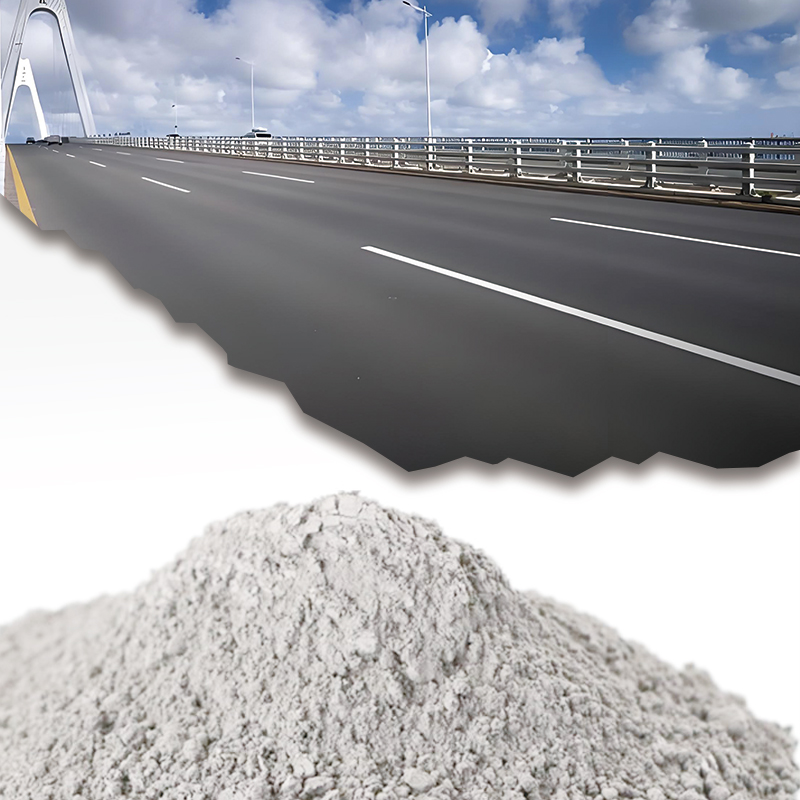
B. Marine Concrete Structures (Izmir, Mersin & Ambarli Ports): Concrete exposed to seawater suffers from chloride attacks. The addition of ultrafine slag-fly ash composite powder refines the pore structure, drastically reducing permeability. This prevents chloride ions from reaching the steel rebar, extending the lifespan of docks, breakwaters, and coastal bridges.
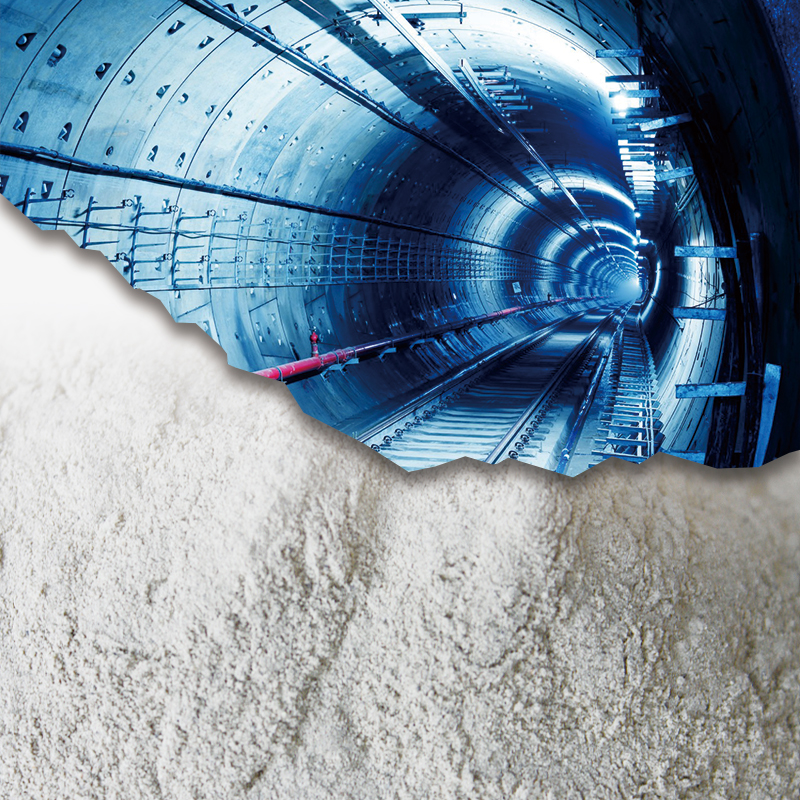
C. Transport Infrastructure & Tunnels (Marmaray Extension & High-Speed Rail): Shotcrete and precast segments used in tunnel linings require high fluidity and rapid setting. Ultrafine admixtures enhance the workability and pumpability of concrete mixes, ensuring smooth application and rapid strength development in underground projects.
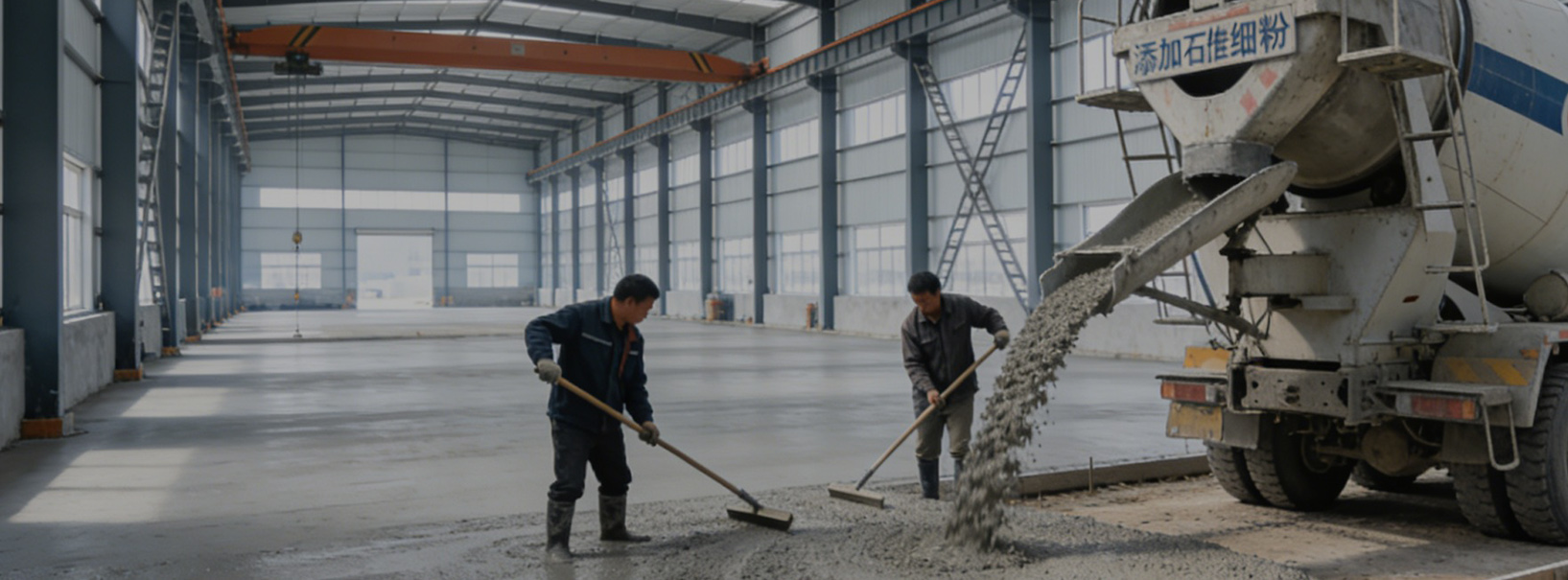
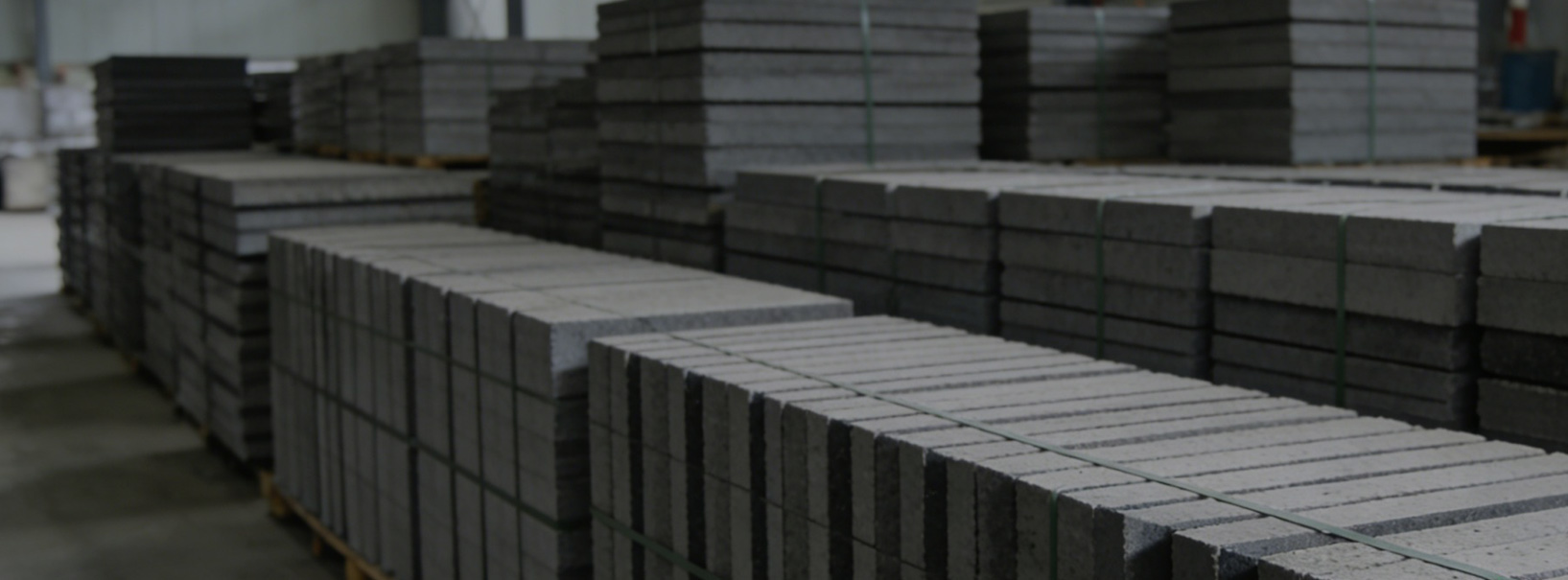
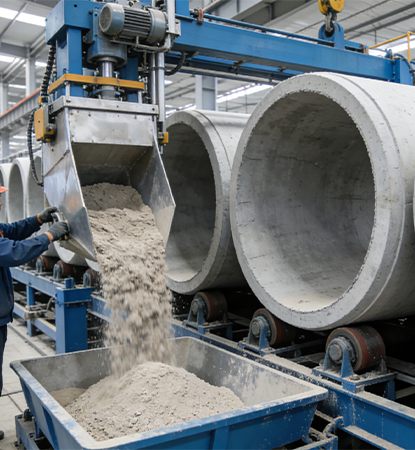
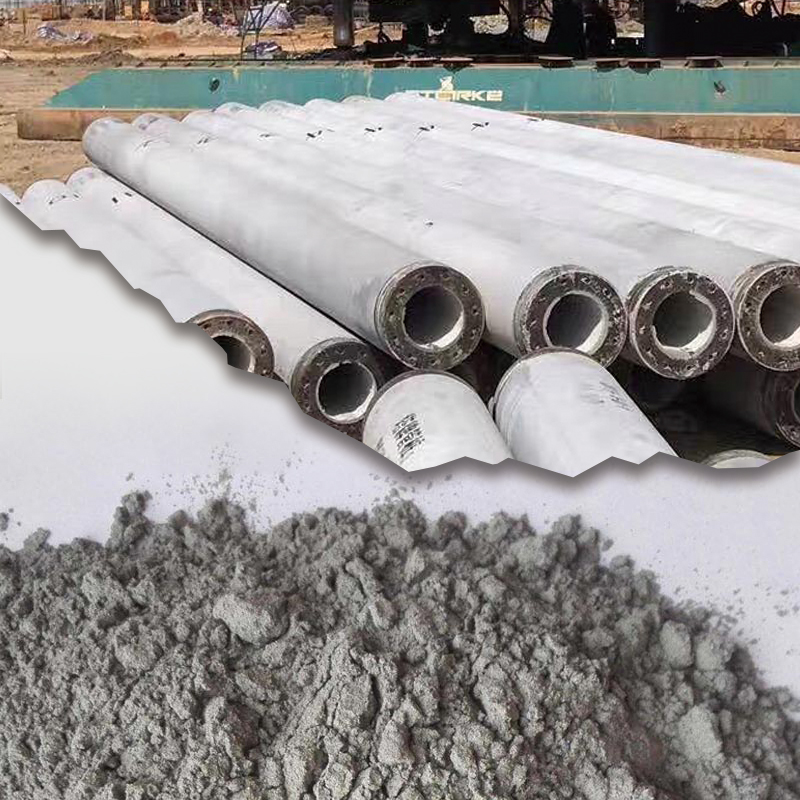
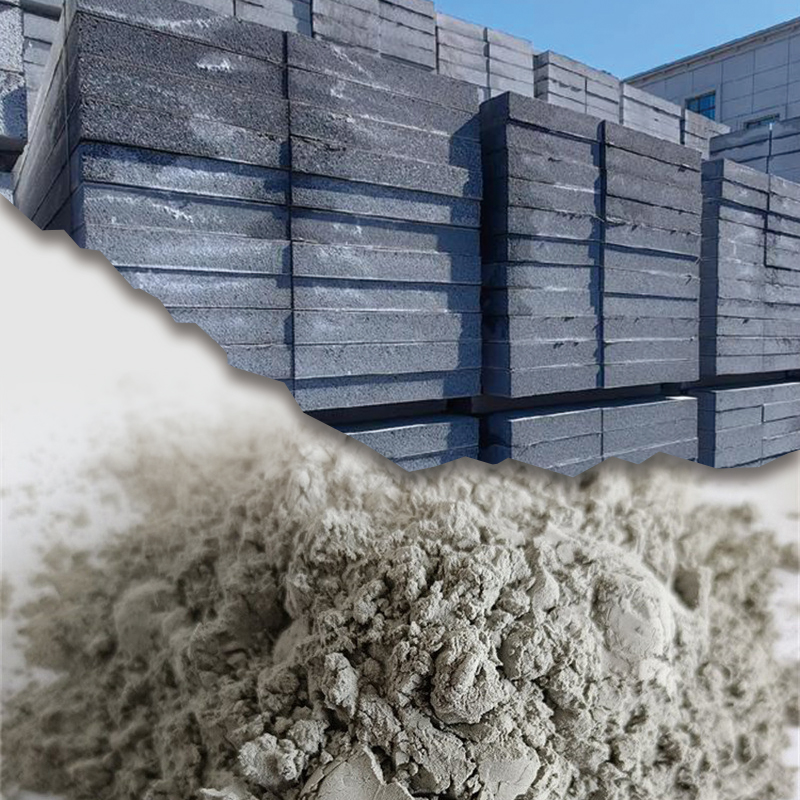
D. Precast Concrete Pipe Piles & Blocks: Turkish precast factories utilize steam curing to accelerate production. Incorporating ultrafine mineral powder improves steam-curing efficiency, prevents micro-cracking, and enhances the surface finish of precast concrete products.
Established Since
1958
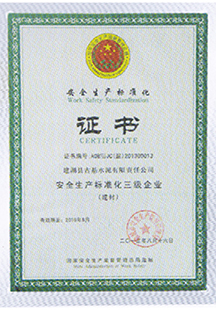
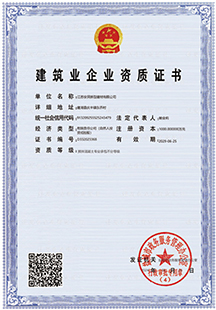
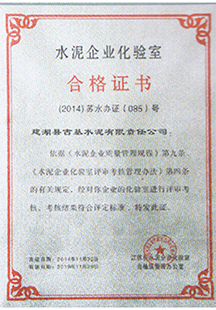
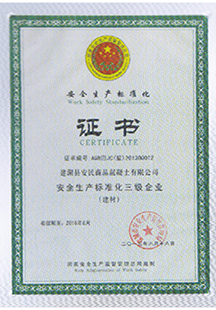
Our manufacturing processes and materials meet rigorous global standards, ensuring top performance in Turkish infrastructure. Certified under IATF 16949, CE, FMEA, PPAP, APQP, SPC, and MSA with 100% testing protocols.

 Send
Email
 Phone