Where there's space - there's possibility

Leave Your Message
Where there's space - there's possibility
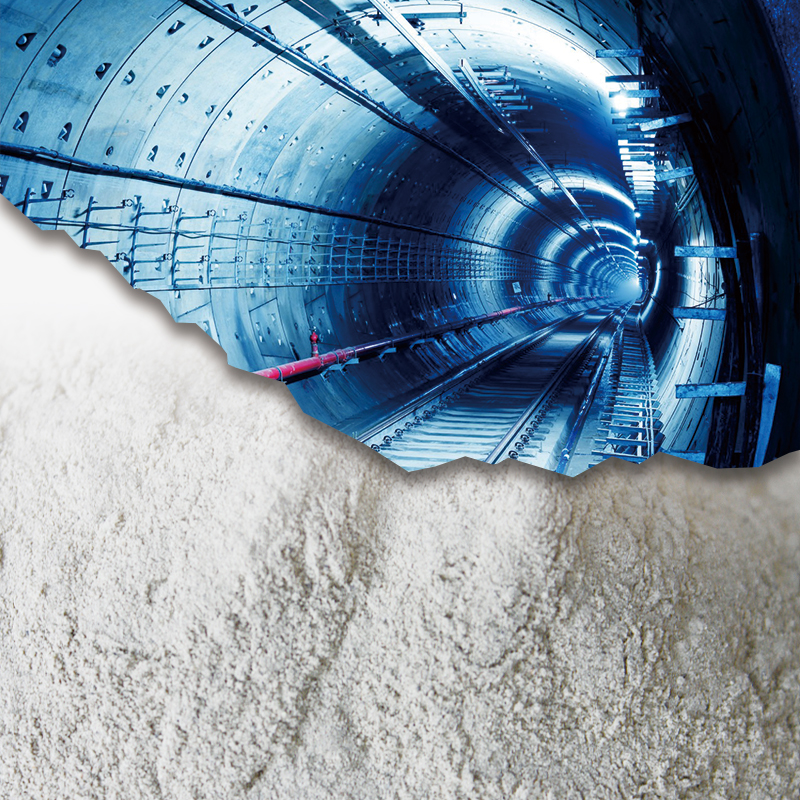

In the contemporary industrial landscape, the application of ultrafine cementitious and mineral powders has transcended traditional civil infrastructure. Today, these highly engineered materials are playing a pivotal role in the development of advanced medical facilities and pharmaceutical processing centers. The rigorous demands of healthcare architecture—ranging from micro-void elimination for radiation shielding to the containment of sterile cleanrooms—require materials with exceptional density, chemical stability, and particle fineness.
Traditional cementitious matrices often exhibit micro-porosities, micro-cracks, and relatively high permeability, which are detrimental in environments where biological containment, chemical resistance, and air purity are critical. By utilizing ultrafine mineral admixtures, such as ground granulated blast-furnace slag (GGBFS) and fly ash blends milled to a D50 of 14.73μm or less, manufacturers can achieve a highly dense, impermeable microstructure. This microscopic refining process optimizes the calcium silicate hydrate (C-S-H) gel formation, significantly reducing the ingress of chemical agents, moisture, and microbial contaminants.
Furthermore, in pharmaceutical production plants where aggressive cleaning agents are frequently used to maintain sterile conditions, concrete formulated with ultrafine powders exhibits superior chemical resistance. The ultra-fine particles act as both physical fillers and highly active pozzolans, reacting with calcium hydroxide to produce additional binding phases that resist chemical degradation, ensuring structural integrity and preventing dust generation—a crucial requirement for maintaining ISO-certified cleanroom environments.
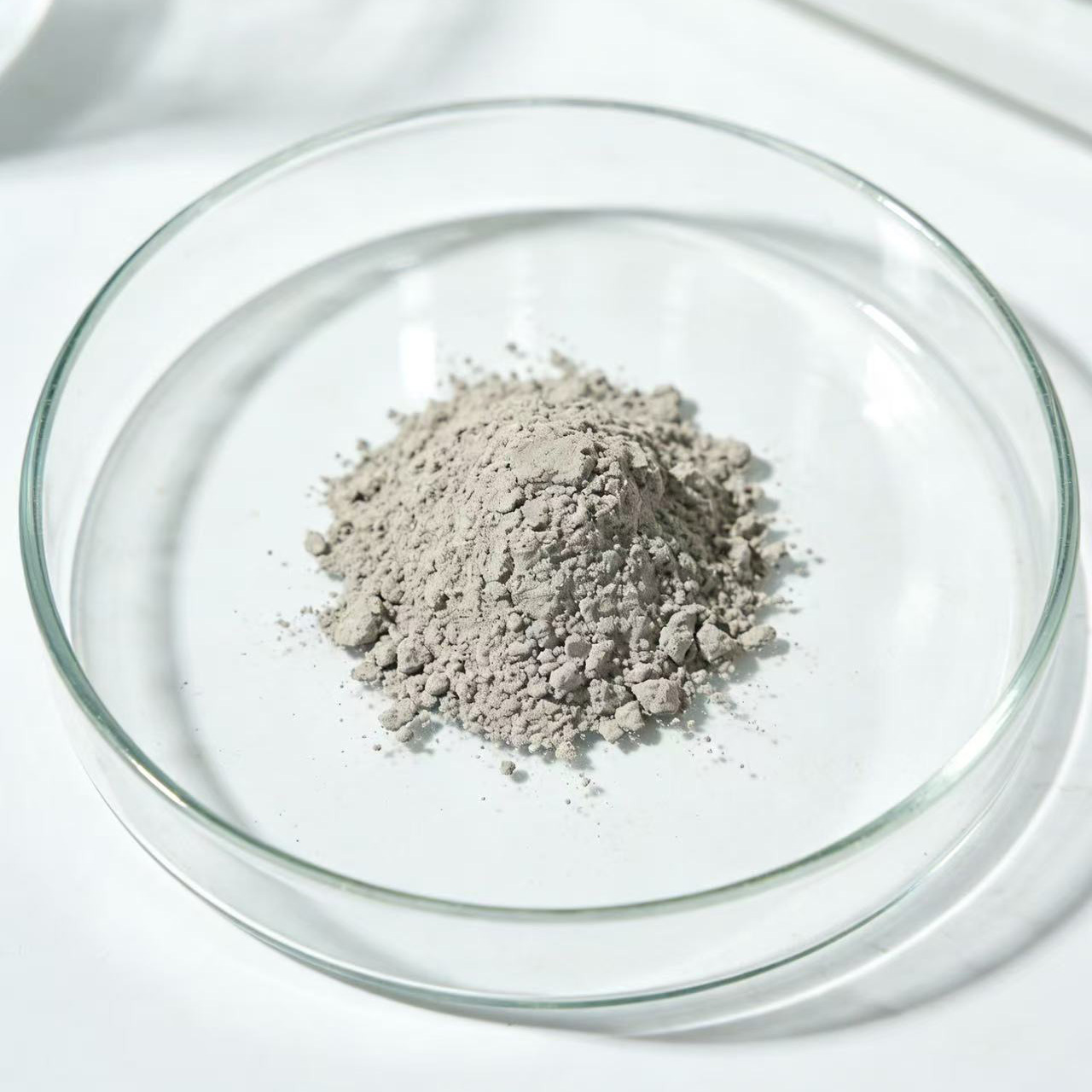
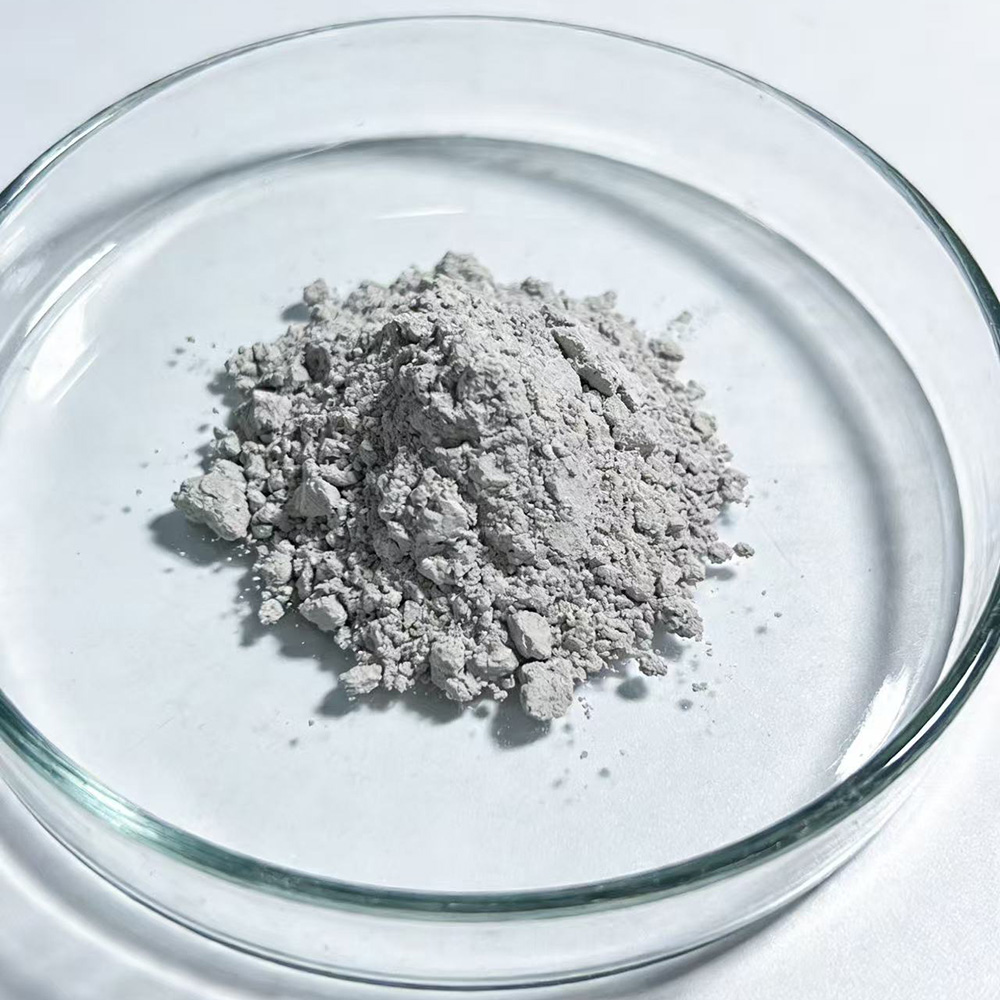
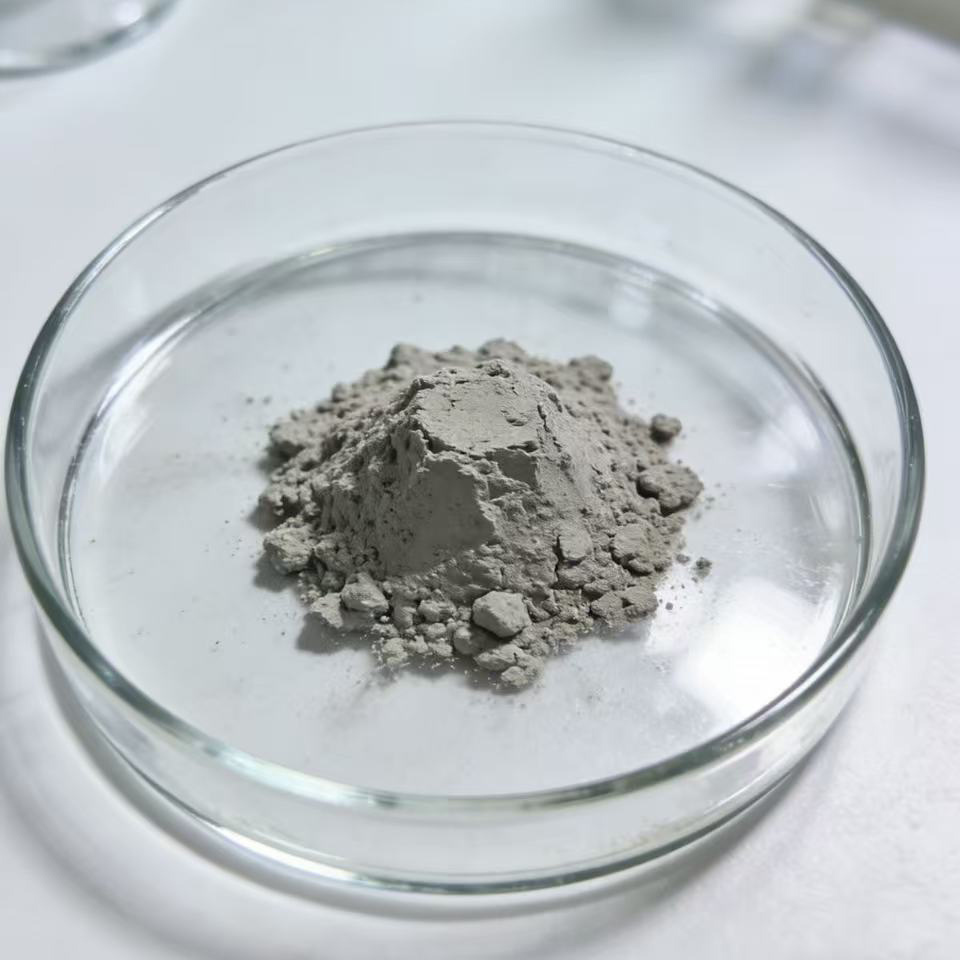
In modern radiotherapy departments, linear accelerators (LINACs) and proton therapy systems generate high-energy radiation that must be contained within specialized bunkers. Standard concrete shielding requires massive thickness, which compromises spatial efficiency. Incorporating ultrafine mineral admixtures into heavy-weight concrete mixes allows for a significant reduction in micro-voids. The ultra-fine particles fill the interstitial spaces between heavy aggregates (such as magnetite or barite), increasing the overall density and linear attenuation coefficient of the shielding walls. This advanced formulation prevents radiation leakage while allowing for sleeker, space-saving architectural designs.
Pharmaceutical formulation facilities demand surfaces that are perfectly smooth, non-porous, and completely free from dusting or shedding. Standard concrete floors can degrade over time, releasing micro-particles into the air and compromising sterile environments. Self-leveling screeds and concrete bases modified with ultrafine pozzolanic powders eliminate bleed-water channels and micro-capillaries. The resulting matrix is exceptionally dense, preventing the growth of fungi and bacteria within the subfloor, and providing an ideal, flat surface for antimicrobial coatings.
Delicate diagnostic machinery, such as Magnetic Resonance Imaging (MRI) scanners and high-precision laboratory centrifuges, require incredibly stable, vibration-dampening foundations. Any micro-movement or structural settling can distort imaging results or damage sensitive calibration systems. Ultrafine cementitious grouts provide exceptional early and ultimate compressive strength, ensuring complete fill in tight spaces beneath equipment bases. The rapid strength development and minimal shrinkage properties of these materials guarantee long-term stability and alignment for million-dollar medical assets.
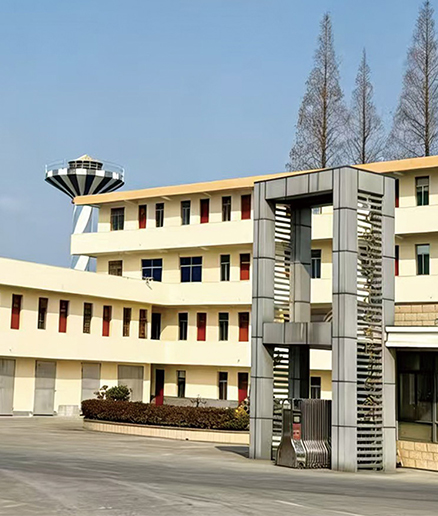
Jiangsu Anmin New Building Materials Co., Ltd., established in 2010, is an important measure in our product extension strategy.
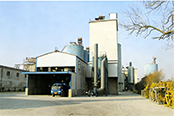
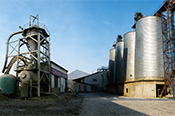
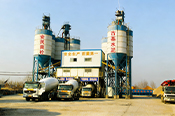
Located within the Guji Cement Co., Ltd. plant area in Jianhu County, the company operates under a unified management but separate accounting model with Guji. The company's production scale is 200,000 tons of ultrafine powder and 600,000 cubic meters of commercial concrete per year, with annual sales revenue exceeding 200 million yuan. The main equipment includes one φ3.2*13m ball mill, one φ2.6*13m ball mill, and one concrete mixing system and one wet mortar mixing system.
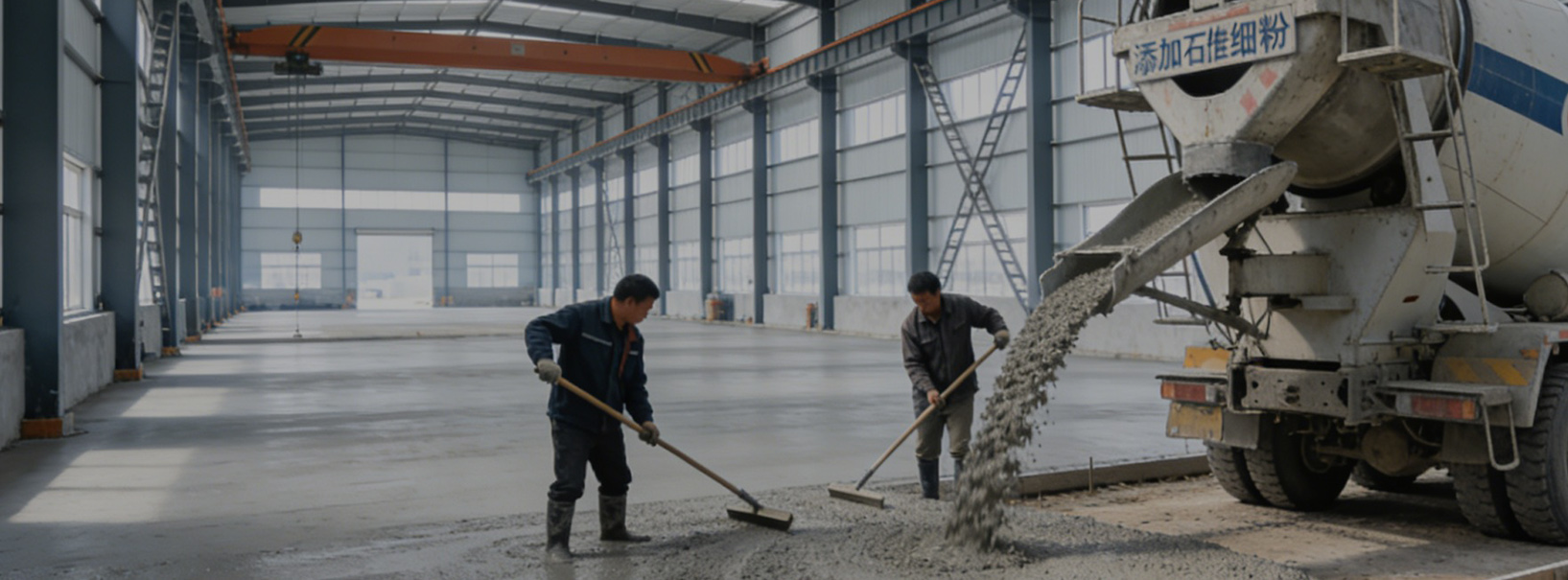
Our high-quality ultrafine mineral admixtures are successfully integrated into commercial concrete production, demonstrating exceptional performance in C30 grade concrete and specialized medical infrastructure bases. Explore our project history to see how we deliver strength, durability, and micro-pore refining across high-demand projects.
Our manufacturing facilities enforce the most stringent quality protocols, meeting global standards required for high-grade medical and pharmaceutical civil construction projects. We ensure absolute consistency in chemical purity and particle size distribution.
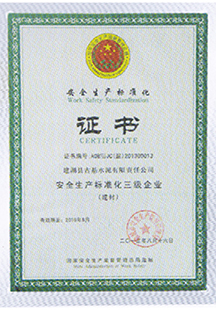
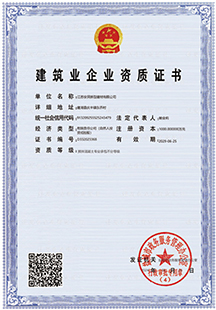
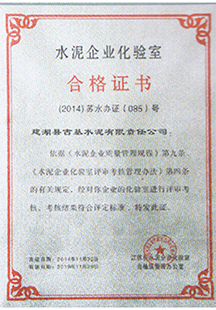
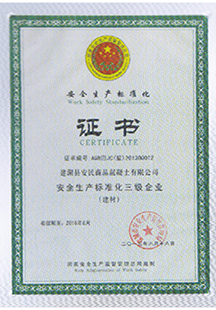
100% TESTED & COMPLIANT
Every batch of ultrafine powder undergoes strict laser particle size analysis and X-ray fluorescence (XRF) testing to guarantee that the pozzolanic activity index and chemical components meet critical design parameters.
The performance of mineral admixtures in concrete is directly proportional to their fineness. A particle size distribution featuring a median diameter (D50) of 14.73 micrometers represents the sweet spot for pozzolanic activity and physical packing density. At this scale, the ultrafine mineral powder acts as a nucleation site for the hydration products of cement. This accelerated hydration process leads to a rapid crystallization of Calcium Silicate Hydrate (C-S-H) gel, filling the capillary pores that would otherwise allow moisture and chemical transfer.
In standard concrete, the interstitial space between cement grains (typically 10 to 100 micrometers in size) remains unfilled, creating pathways for water and chemical penetration. The D50=14.73μm ultrafine composite powder fits perfectly into these voids. This physical micro-filling effect increases the packing density of the cementitious paste, reducing the water demand for a given workability and dramatically improving the compressive, tensile, and flexural strength of the cured concrete.
Ground Granulated Blast-Furnace Slag (GGBFS) and fly ash, when milled to ultrafine dimensions, exhibit an increased specific surface area. This exposes more reactive silica and alumina phases to the calcium hydroxide released during cement hydration. The secondary pozzolanic reaction transforms the weak, soluble calcium hydroxide crystals into strong, insoluble C-S-H gel, reinforcing the interfacial transition zone (ITZ) between the cement paste and aggregate. This structural enhancement is vital for structures subjected to high mechanical stresses and environmental challenges, such as pharmaceutical cleanroom foundations and heavy machinery bases.
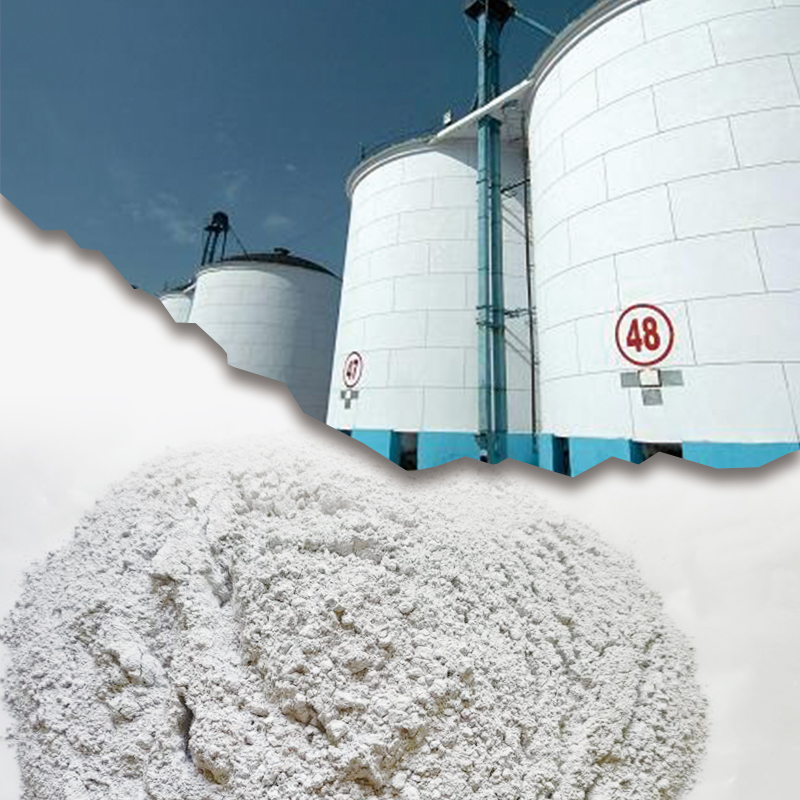
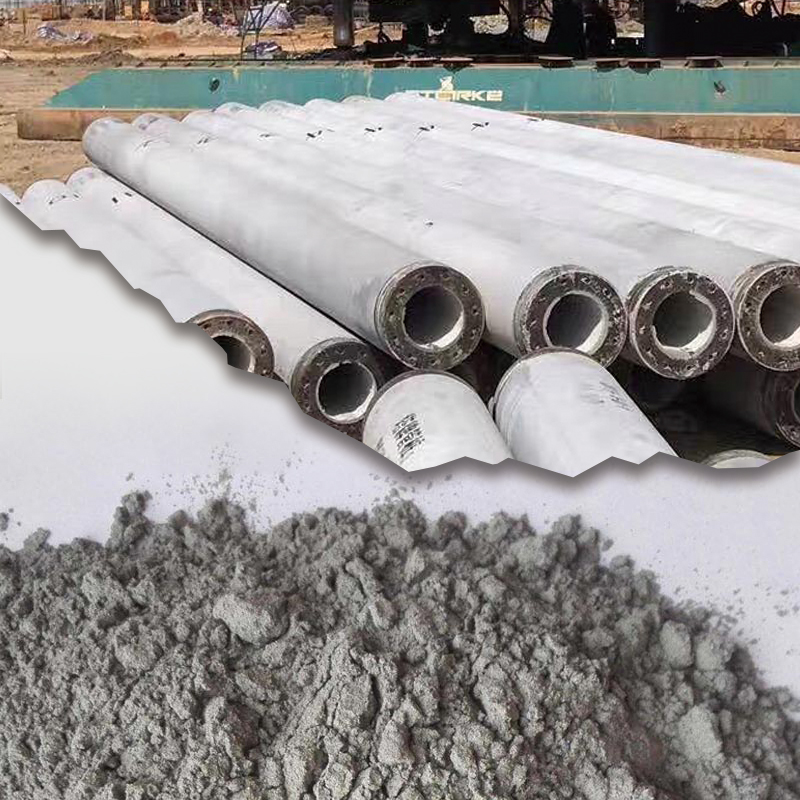
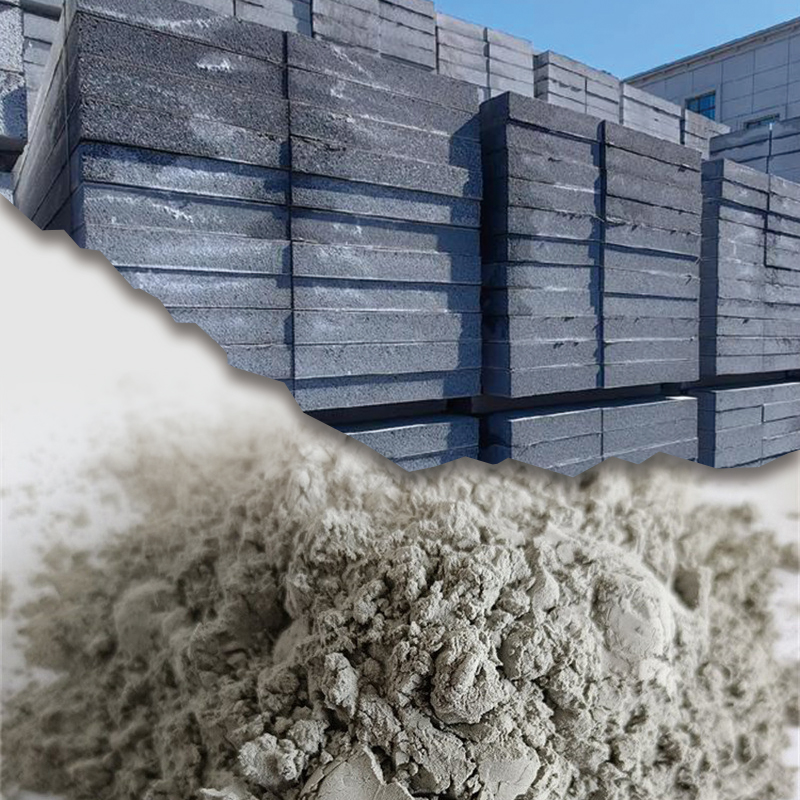
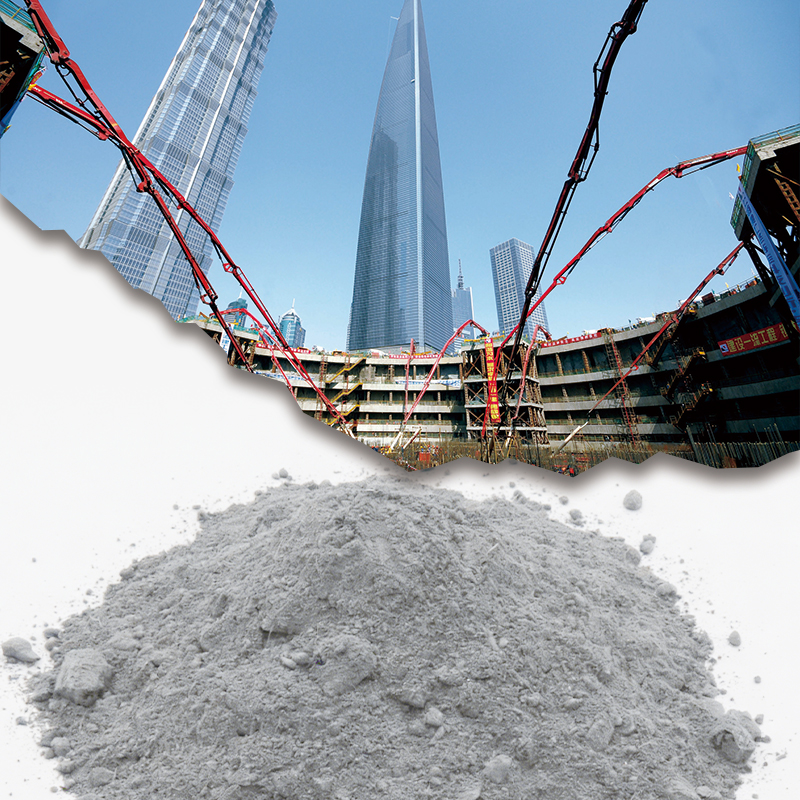
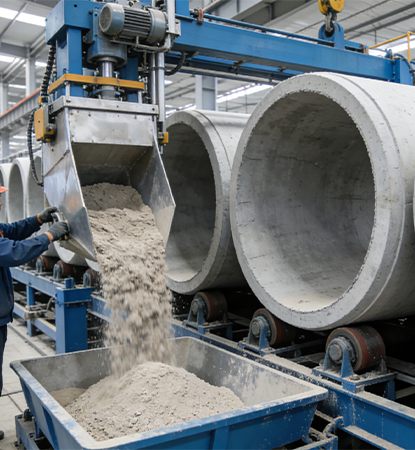
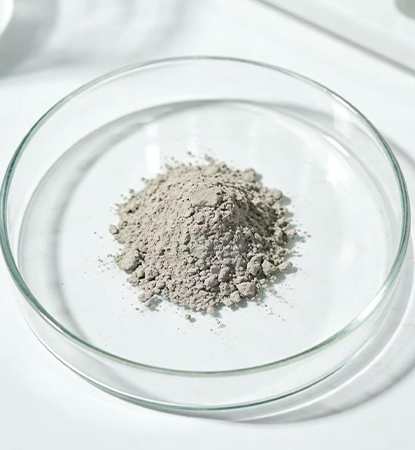
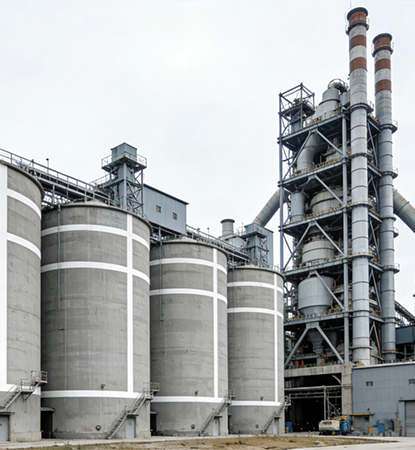
The healthcare industry is globally responsible for a significant carbon footprint, prompting a massive shift toward green hospital design and sustainable infrastructure. As medical facilities expand to meet the needs of growing populations, specifying low-carbon, highly durable building materials has become an industry priority. Ultrafine mineral powders, particularly those derived from industrial by-products like blast-furnace slag and fly ash, offer a viable pathway to reducing the carbon footprint of concrete structures by up to 30% to 50% through cement replacement.
Cement production is one of the leading industrial sources of carbon dioxide emissions. By replacing a significant portion of traditional Portland cement with ultrafine GGBFS and fly ash blends, developers can dramatically lower the embodied carbon of new medical centers. This substitution not only diverts industrial solid waste from landfills but also improves the long-term durability of the structures, minimizing the need for premature repairs or replacement. The dual benefit of carbon reduction and extended service life aligns perfectly with green building certification standards, such as LEED and BREEAM, which are increasingly mandated for public healthcare developments globally.
Looking to the future, the integration of ultrafine cementitious materials is paving the way for smart concrete systems capable of self-healing. Due to the high fineness of the pozzolanic particles, a portion of the mineral powder remains unhydrated within the concrete matrix. If micro-cracks develop due to structural loading or temperature changes, moisture ingress activates these dormant particles, causing them to undergo secondary hydration and seal the cracks autonomously. This self-healing capability is highly advantageous for critical medical storage vaults, pharmaceutical cleanrooms, and underground diagnostic wings where water leakage or structural degradation could have catastrophic consequences.

 Send
Email
 Phone
