Where there's space - there's possibility

Leave Your Message
Where there's space - there's possibility
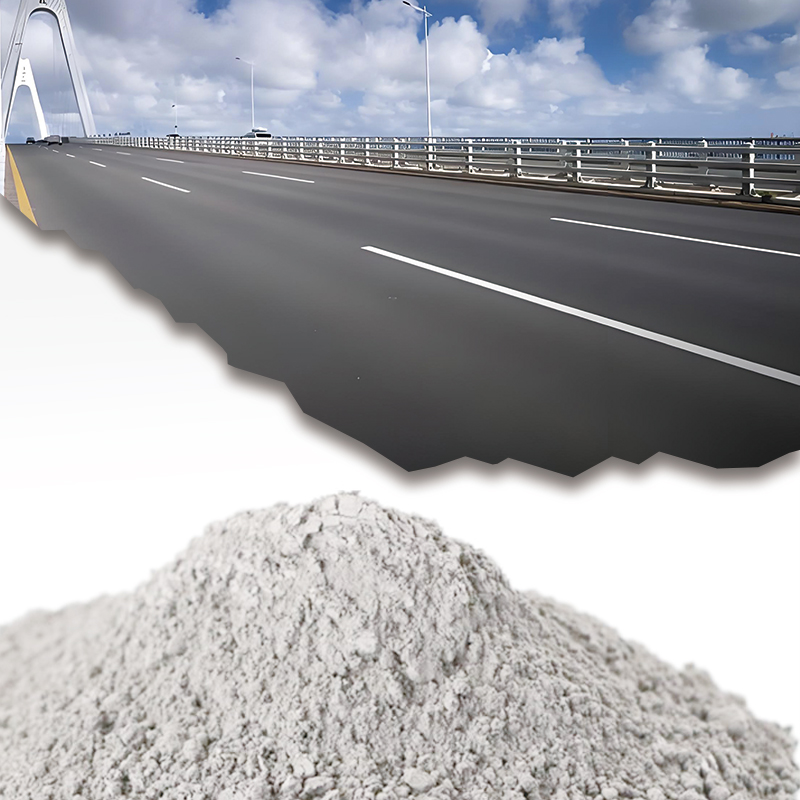
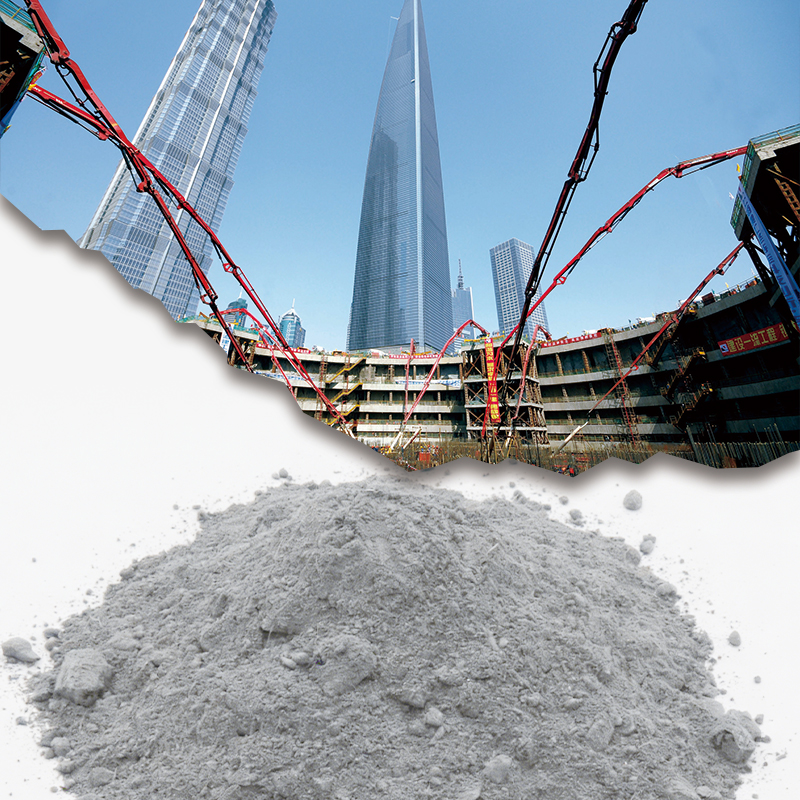
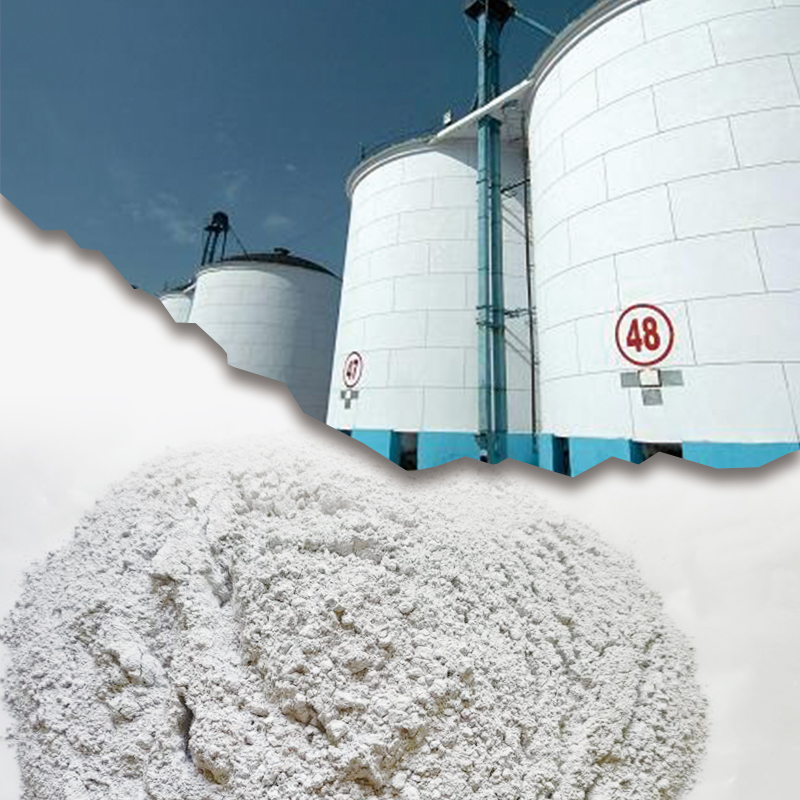
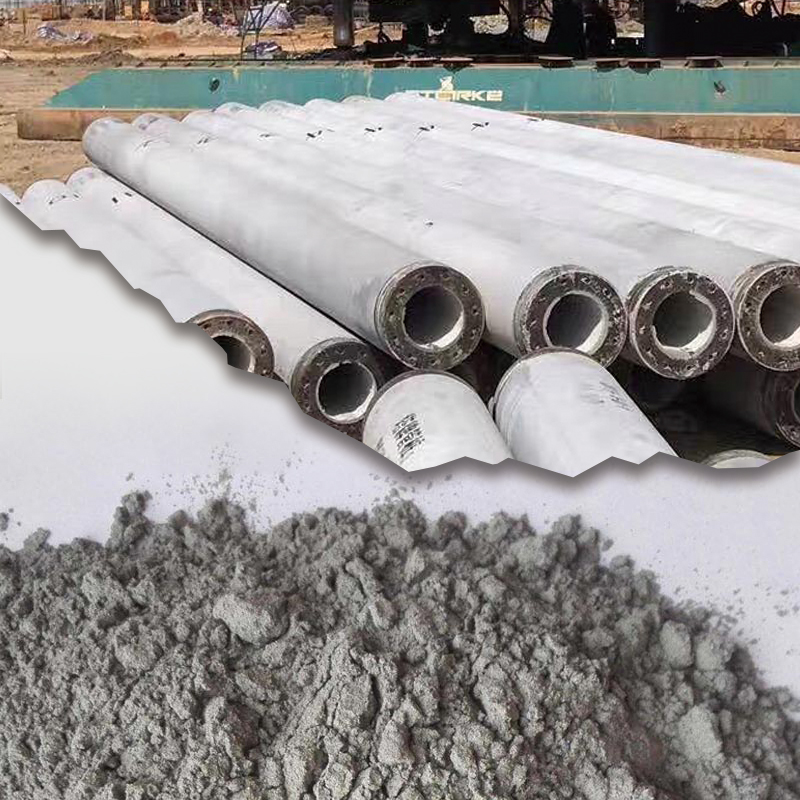
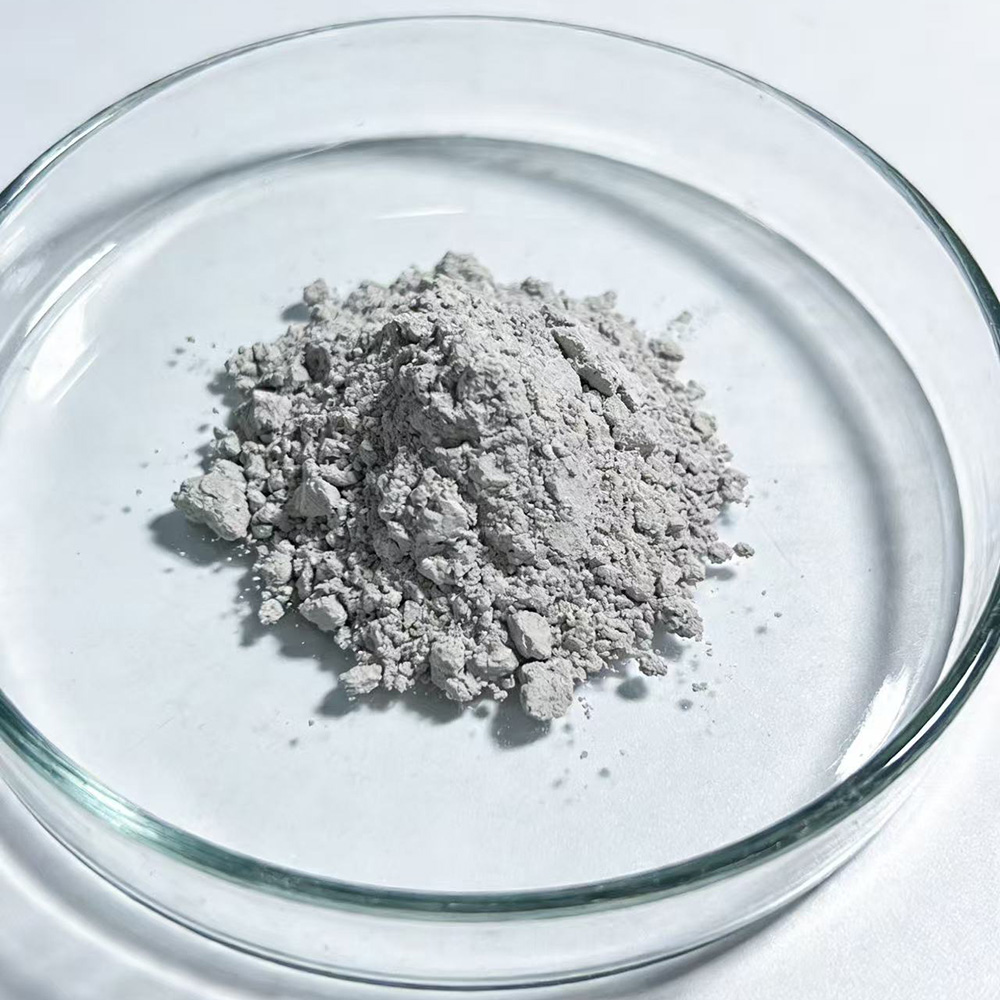
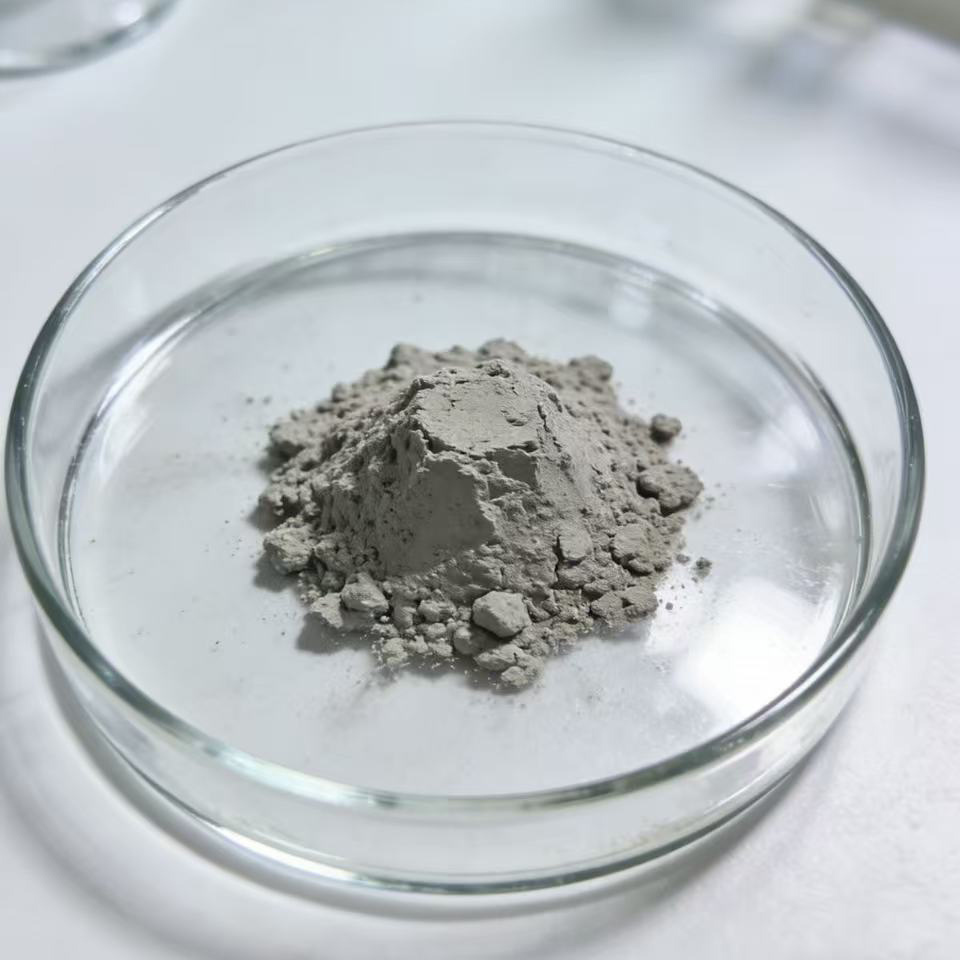
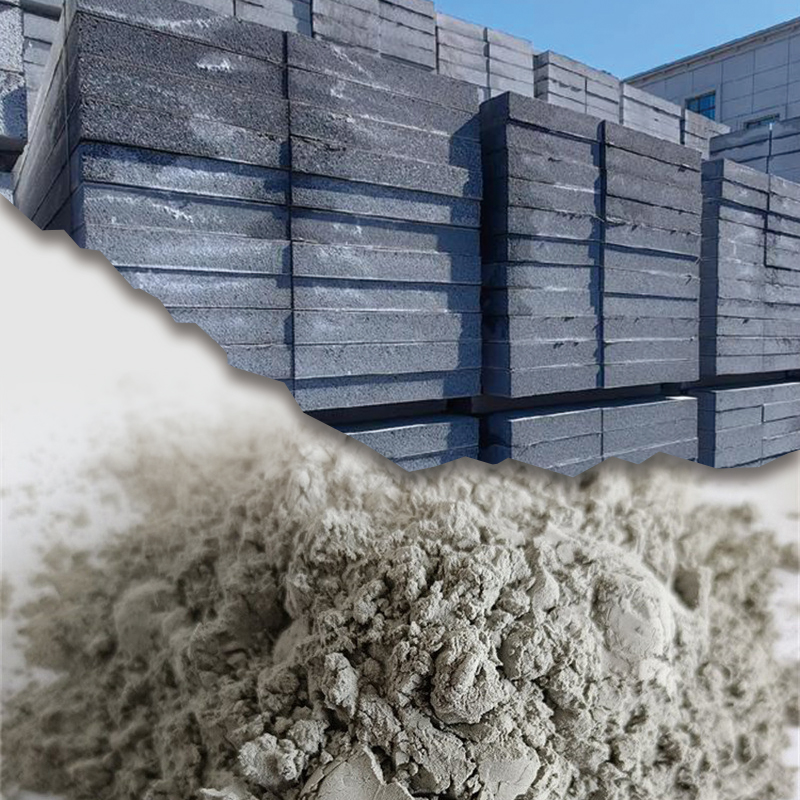
The Italian construction sector is undergoing a profound structural transformation driven by the European Green Deal and Italy's National Recovery and Resilience Plan (PNRR - Piano Nazionale di Ripresa e Resilienza). With billions of euros allocated to modernizing transport networks, renovating public buildings, and expanding marine ports, the demand for high-durability, low-carbon building materials has skyrocketed. In this environment, Ultrafine Fly Ash for Concrete has transitioned from a niche additive to a mainstream necessity for ready-mix concrete (RMC) producers and precast manufacturers across Italy.
Italy's public procurement tenders strictly enforce the Criteri Ambientali Minimi (CAM), which mandate minimum levels of recycled content and lower carbon footprints for construction materials. By substituting a significant portion of Portland cement with ultrafine mineral admixtures like fly ash, Italian concrete producers can dramatically reduce the embodied carbon (GWP) of their concrete mixes, achieving compliance with CAM guidelines and qualifying for prestigious green building certifications such as LEED and BREEAM.
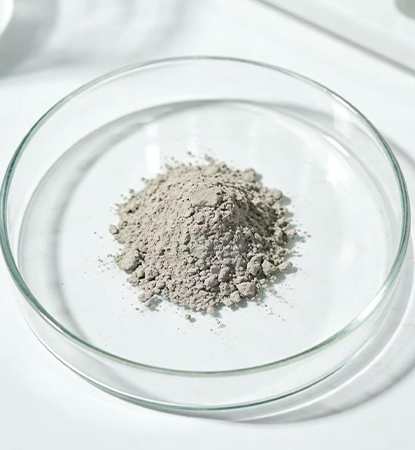
Italy's diverse geography—ranging from the freezing alpine regions in the North to the hot, dry, and marine-exposed coastlines of the South—poses unique challenges for concrete durability. Ultrafine fly ash (typically featuring a D50 particle size under 15 microns) addresses these challenges through multiple mechanisms:
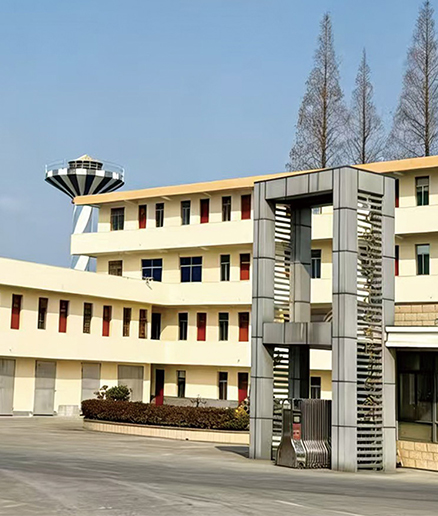
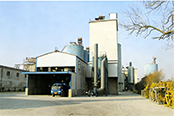
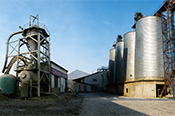
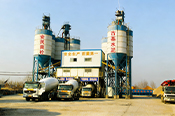
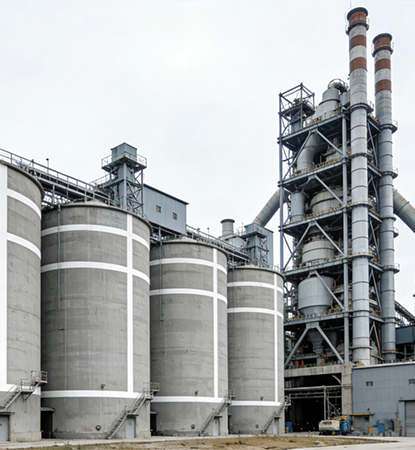
Located within the Guji Cement Co., Ltd. industrial zone in Jianhu County, our company operates under a unified management framework. With an annual production capacity of 200,000 tons of ultrafine mineral powder and 600,000 cubic meters of commercial concrete, we generate annual revenues exceeding 200 million yuan. Our state-of-the-art production line features advanced φ3.2*13m and φ2.6*13m ball mills, a computerized concrete mixing system, and a wet mortar mixing system.
The performance of Ultrafine Fly Ash is particularly evident in high-specification concrete mixes designed for critical infrastructure. In Northern Italy, where winter freeze-thaw cycles are harsh, and de-icing salts are heavily used on highways, concrete durability is a primary concern. The addition of ultrafine fly ash reduces capillary porosity, making the concrete highly resistant to scaling and internal cracking caused by ice crystallization.
Italy's highway network includes thousands of viaducts and bridges that require structural rehabilitation. Using ultrafine fly ash enables the production of concrete with compressive strengths exceeding 80 MPa, coupled with extremely low drying shrinkage. This ensures that precast prestressed concrete girders maintain their structural integrity over a service life exceeding 100 years.
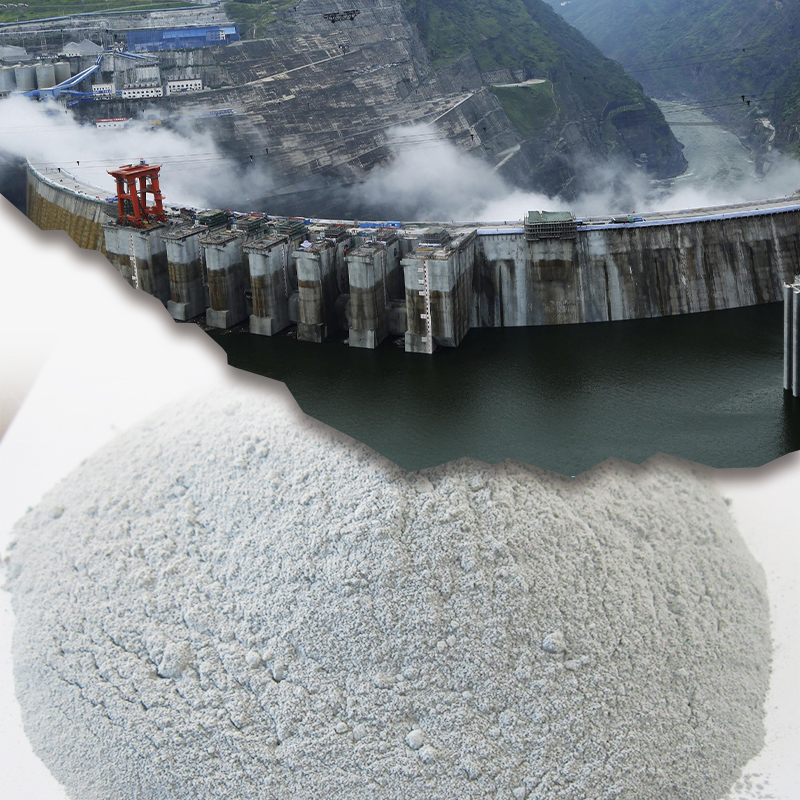
Underground railway tunnels, such as those for the Brenner Base Tunnel or the Turin-Lyon high-speed link, involve mass concrete pours where hydration heat must be strictly controlled to prevent thermal cracking. Ultrafine fly ash slows down the early rate of heat evolution without compromising long-term strength, mitigating the risk of thermal stress in massive concrete linings.
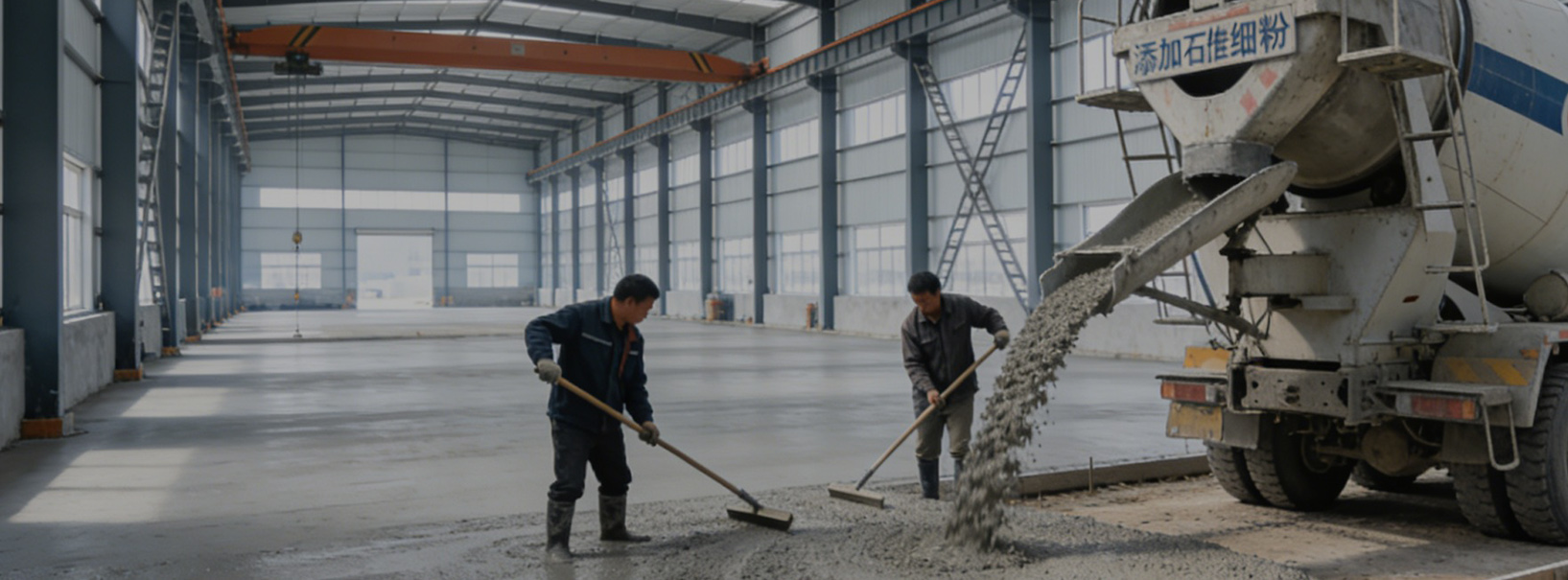
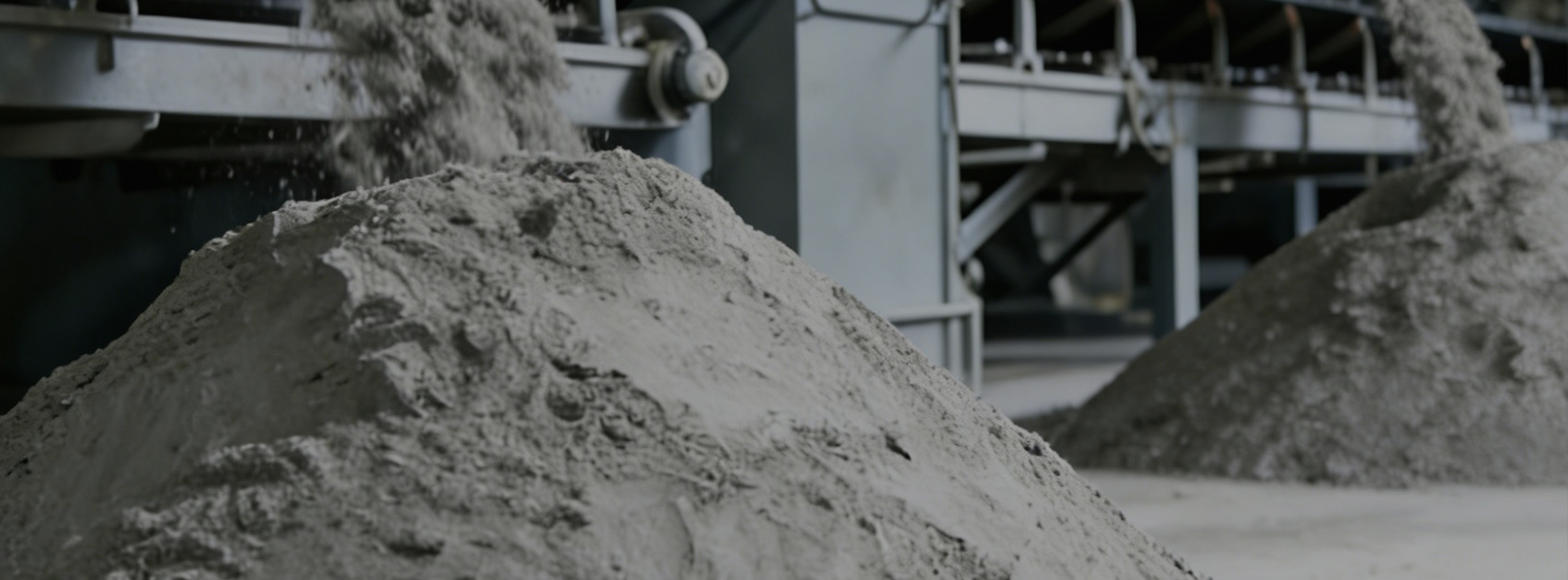
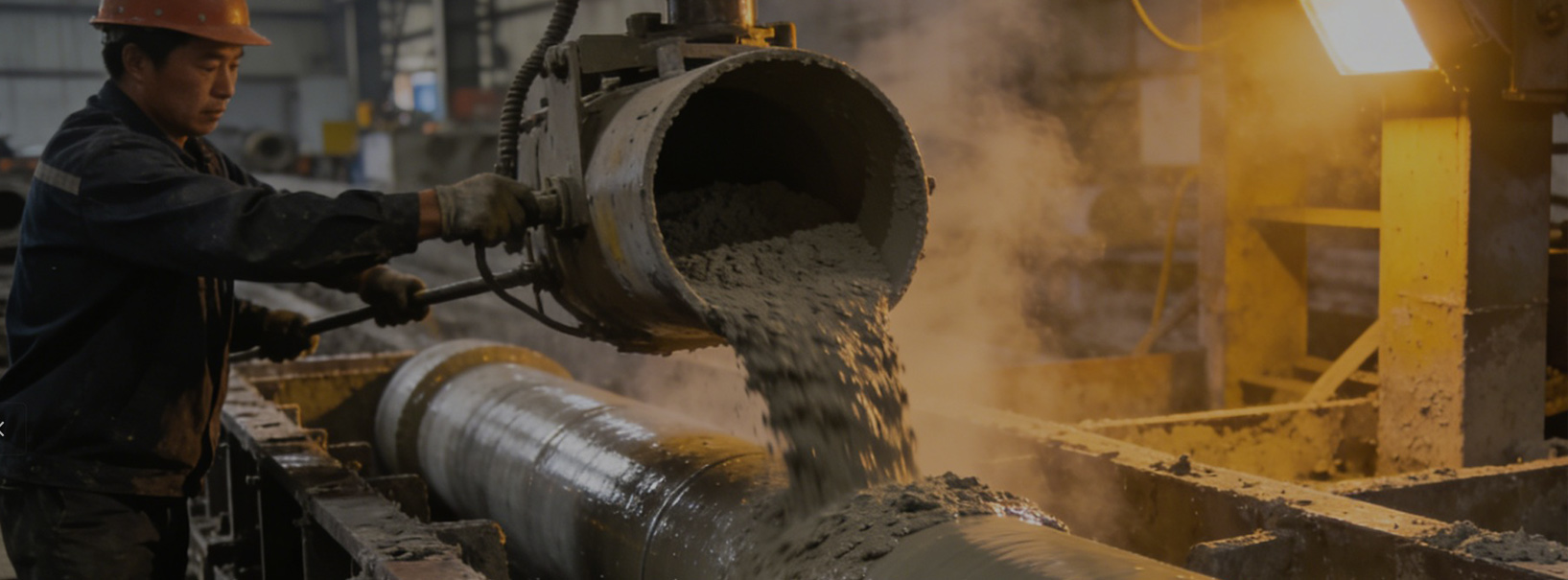
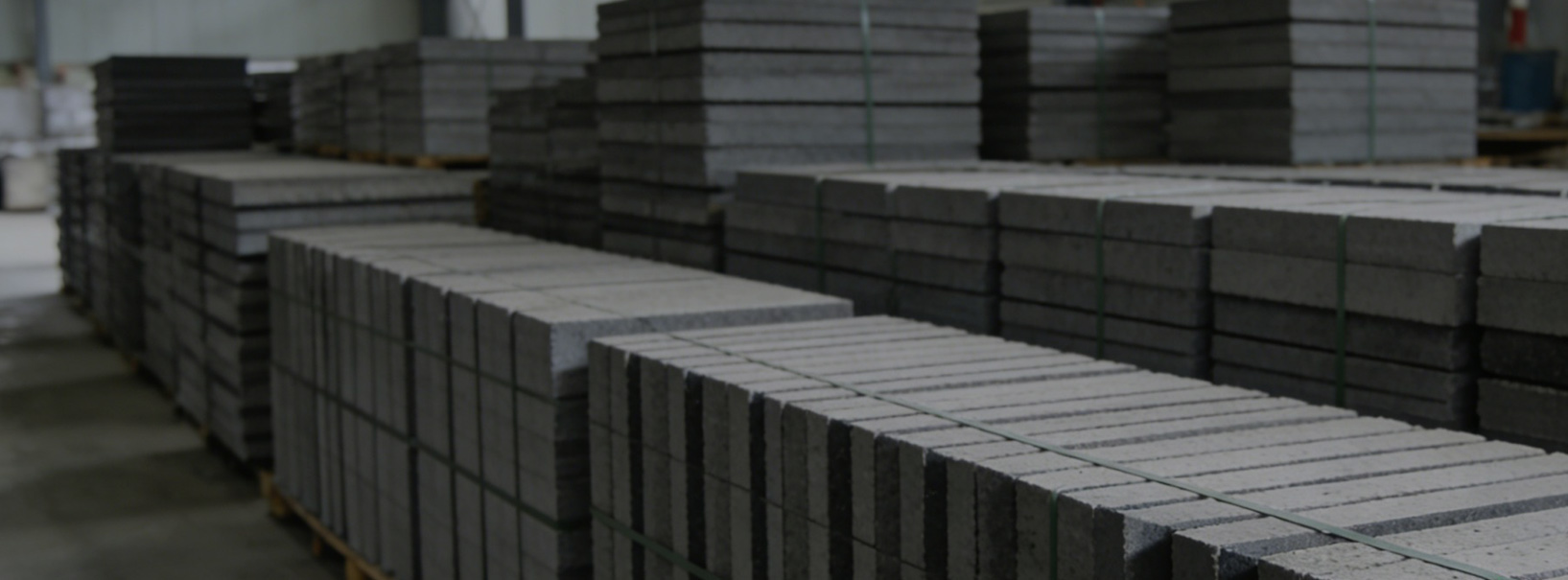
In dense Italian metropolitan areas like Milan, Rome, and Naples, concrete delivery trucks often face heavy traffic congestion. Maintaining concrete workability (slump retention) during transport without adding excess water is a constant challenge for ready-mix concrete suppliers. Ultrafine fly ash acts as a physical lubricant due to its spherical particle shape—often referred to as the "ball-bearing" effect.
This lubrication effect reduces internal friction within the concrete mix, significantly improving pumpability and ease of placement. When combined with modern polycarboxylate ether (PCE) superplasticizers, ultrafine fly ash allows concrete producers to design highly flowable, self-consolidating concrete (SCC) with extremely low water-to-binder ratios, ensuring high early strength and long-term durability.
Many advanced engineering projects in Italy utilize ternary cementitious blends containing Portland cement, Ground Granulated Blast Furnace Slag (GGBFS), and ultrafine fly ash. This combination leverages the early-stage pozzolanic activity of the slag and the long-term pore refinement of the fly ash, resulting in concrete with exceptional resistance to chemical attack, low permeability, and a highly optimized carbon footprint.
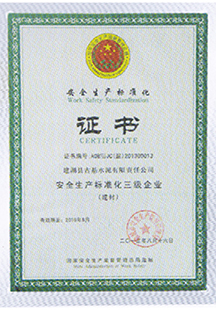
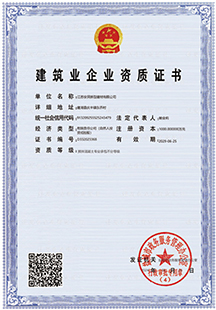
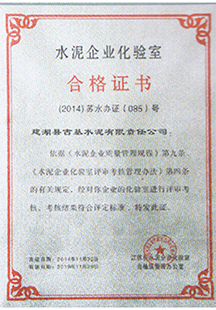
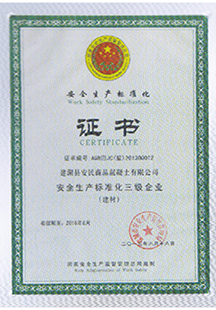
Our manufacturing processes conform to rigorous international quality control standards, including IATF 16949, CE, FMEA, PPAP, APQP, SPC, and MSA. We execute 100% testing on all product batches to ensure consistent particle size distribution and chemical composition, guaranteeing compliance with European concrete standards (EN 206).

 Send
Email
 Phone
