Where there's space - there's possibility

Leave Your Message
Where there's space - there's possibility
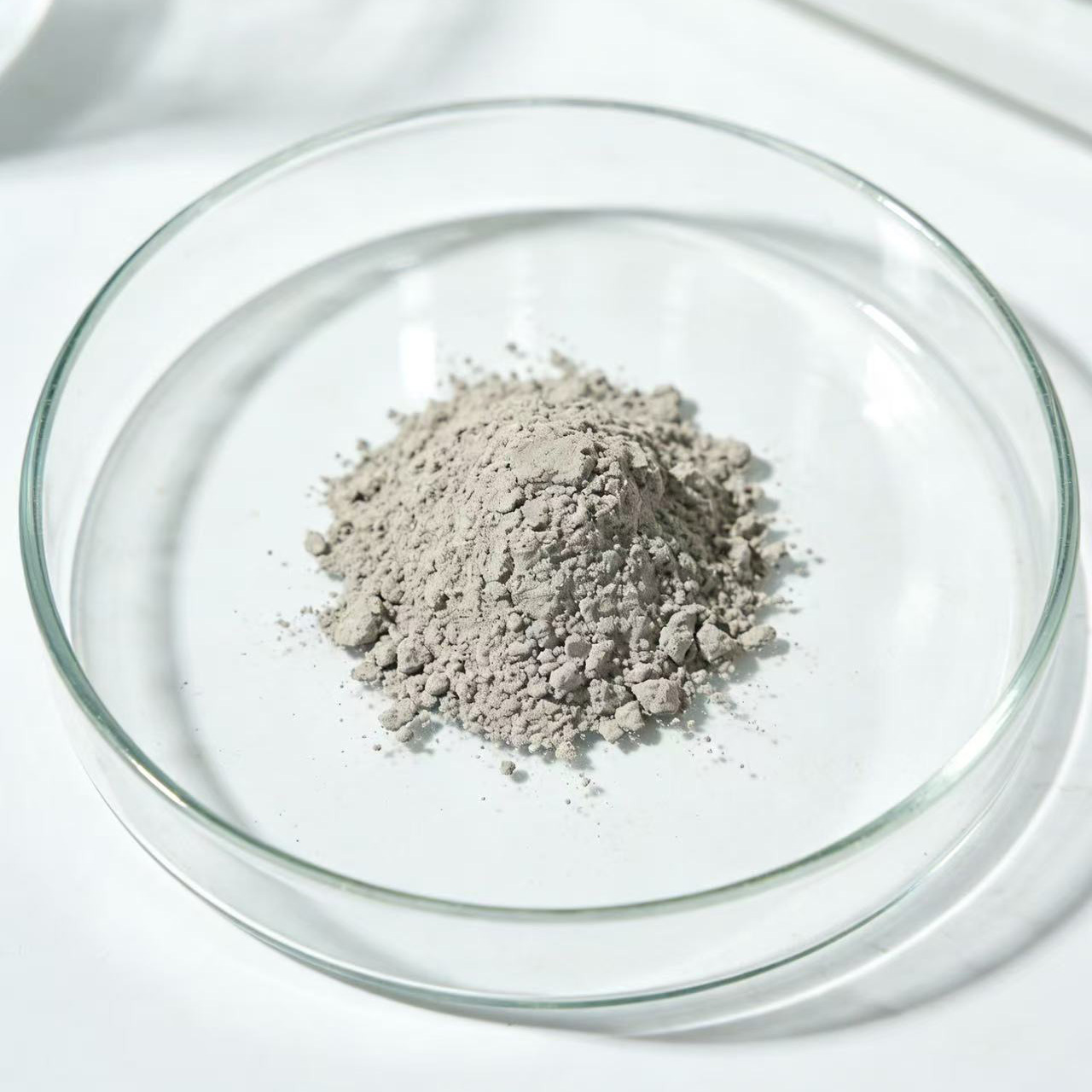
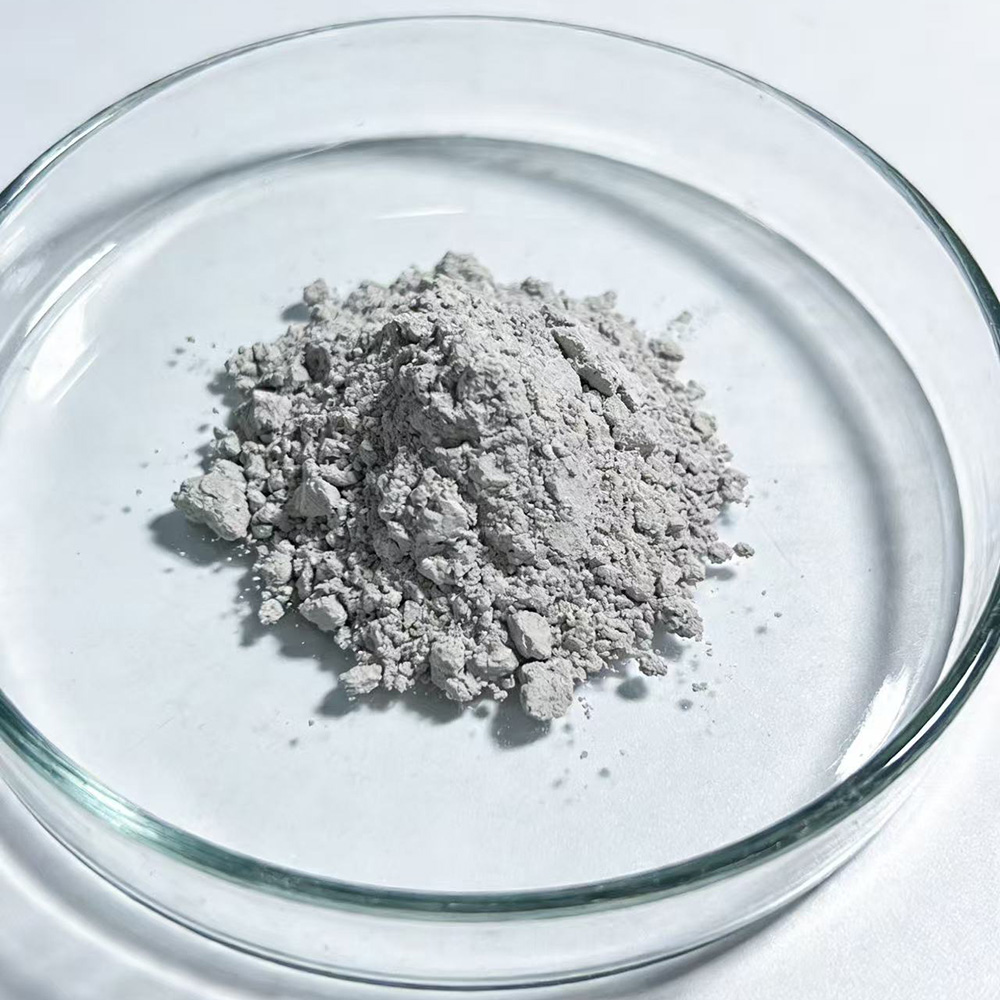
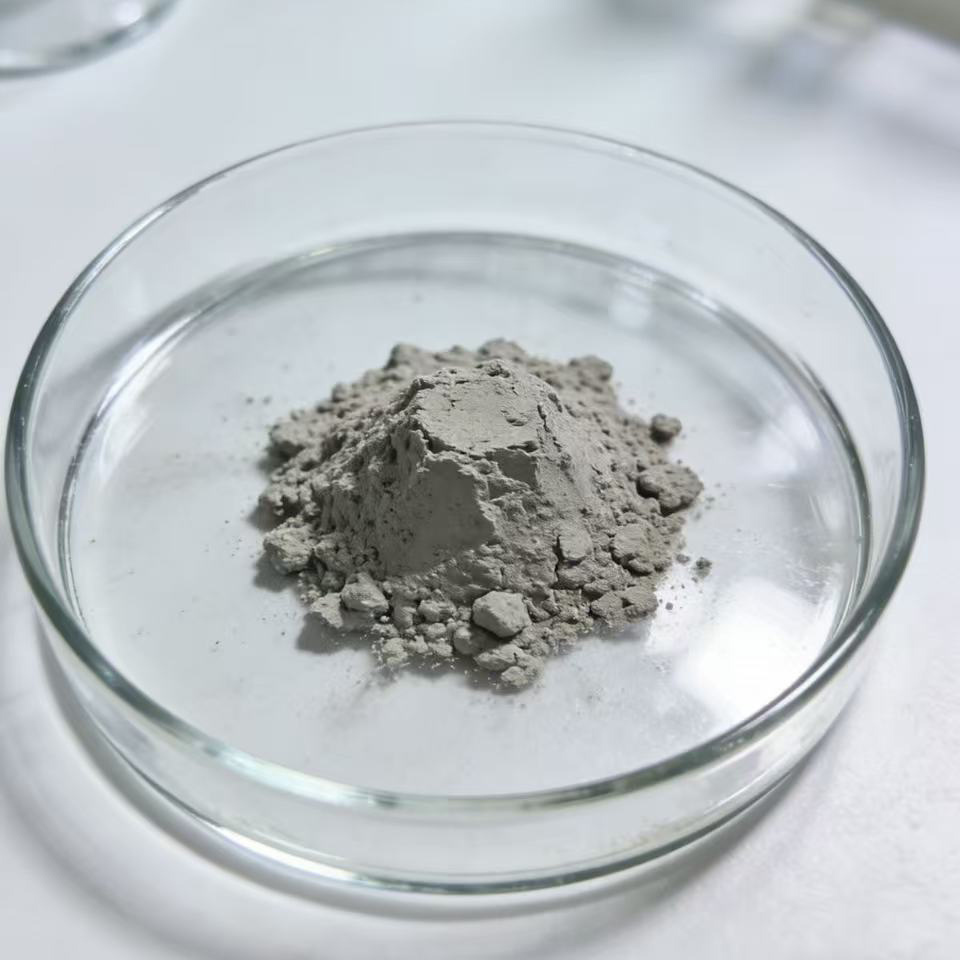
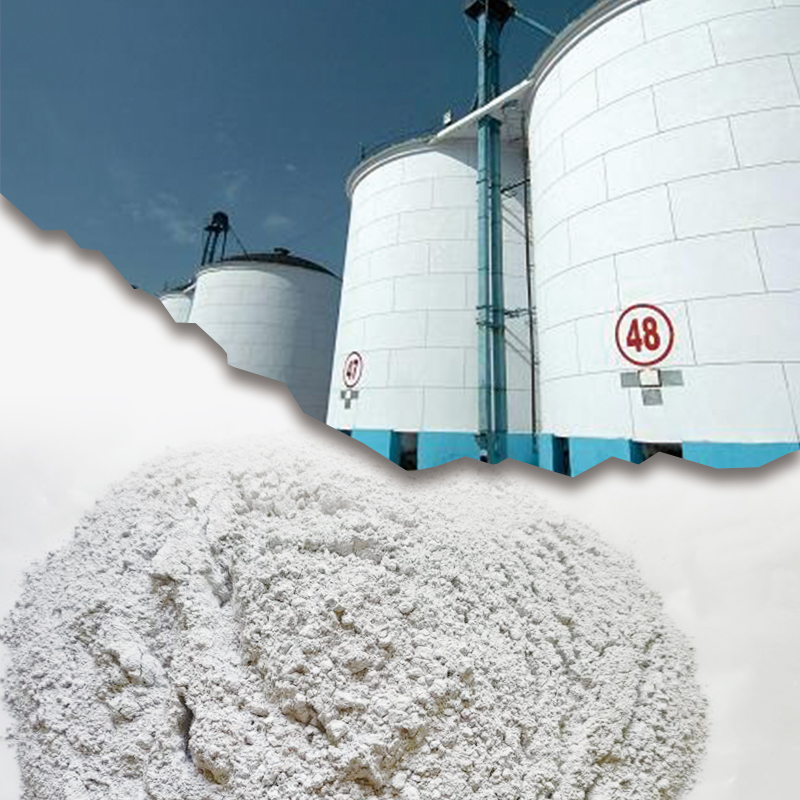
The global construction and automotive industries are undergoing a massive technological convergence. Historically, cementitious materials were relegated to heavy structural applications, while automotive care and surface coatings relied strictly on organic polymers and chemical sealants. Today, the introduction of ultrafine powder for cement has completely redefined these paradigms. By reducing particle sizes to the sub-micron and micro-fine levels, manufacturers can now leverage inorganic cementitious composites to create ultra-durable, heat-resistant, and wear-resistant substrates tailored specifically for automotive care facilities, manufacturing plants, and advanced protective coatings.
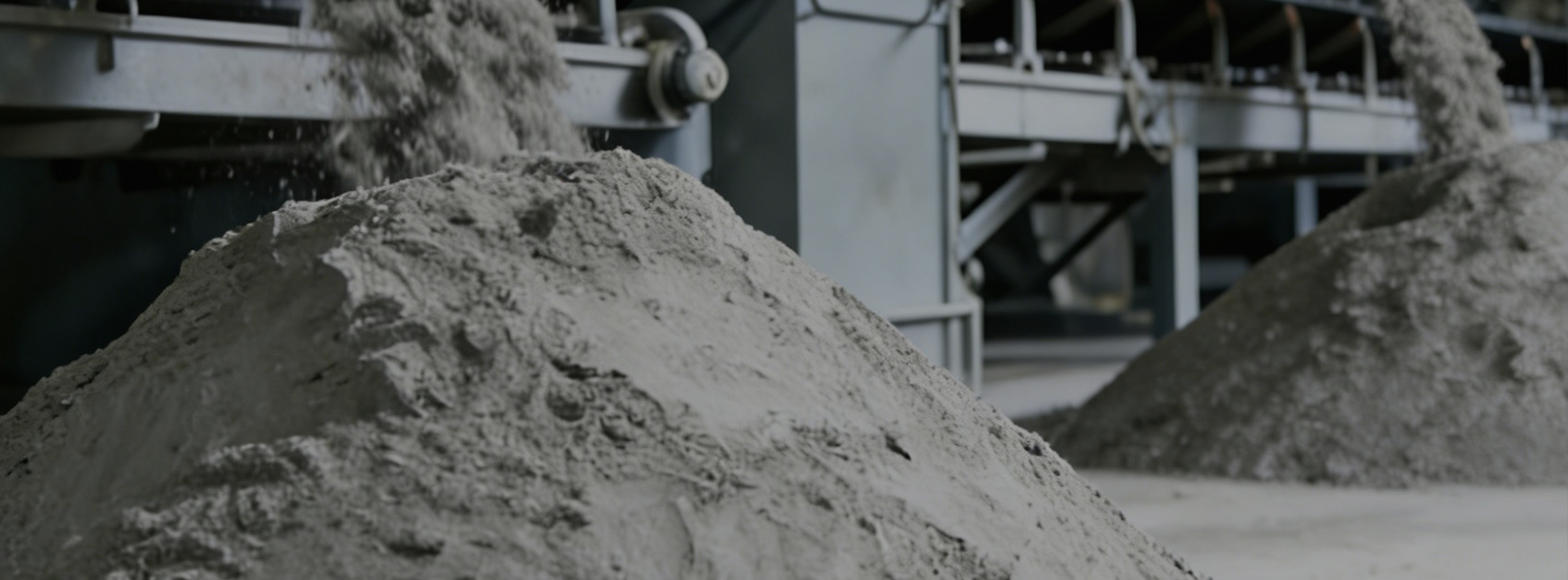
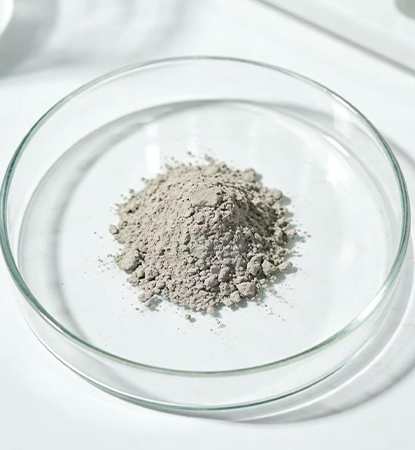
Ultrafine powder for cement (with D50 particle sizes typically under 15μm) functions not only as a binder but as a high-density micro-filler. This double action dramatically reduces capillary porosity, making the resulting concrete or coating virtually impermeable to automotive fluids, oils, and harsh chemical solvents.
The commercial demand for high-durability surfaces in the automotive sector has skyrocketed. Modern auto care centers, detailing bays, and manufacturing plants experience constant mechanical stress, high-pressure water washing, and exposure to aggressive chemicals. Traditional epoxy coatings, while aesthetically pleasing, often suffer from delamination, moisture trapping, and low thermal stability. This is where ultrafine mineral admixtures and composite cementitious powders step in.
Industries are increasingly adopting cement-based coatings modified with ultrafine GGBFS (Ground Granulated Blast Furnace Slag) and fly ash. These materials provide a highly stable, inorganic base that exhibits thermal expansion coefficients identical to the concrete substrate below it. This eliminates the risk of peeling under thermal shock—such as when steam cleaning an engine bay or applying hot-water washes in detailing centers. Furthermore, the integration of these materials into structural concrete slabs ensures that the foundation itself is resistant to carbonation and sulfate attack, providing a lifetime of maintenance-free operation.
The application of ultrafine powder for cement in automotive care and surface coatings is diverse, spanning several critical areas:
From a chemical perspective, the refinement of GGBFS and fly ash to ultrafine levels accelerates the pozzolanic reaction. In standard concrete, a significant portion of calcium hydroxide (a weak byproduct of cement hydration) remains unreacted, leaving pathways for water and chemical penetration. Ultrafine particles, due to their massive specific surface area, react rapidly with calcium hydroxide to form additional Calcium Silicate Hydrate (C-S-H) gel—the primary source of strength and density in cementitious systems.
This microstructural engineering results in a pore-blocking effect. Water molecules, which carry harmful chlorides and sulfates, are physically blocked from entering the matrix. In automotive care environments, this translates to a self-sealing surface that resists the cycle of freeze-thaw and chemical corrosion, far outperforming standard concrete mixes.
As the world moves toward carbon neutrality, the development of eco-friendly, low-carbon cementitious materials is a top priority. The utilization of industrial solid waste—such as GGBFS and fly ash—in ultrafine powders directly reduces the carbon footprint of building materials. By substituting up to 30% to 50% of ordinary Portland cement with these high-performance admixtures, manufacturers can achieve superior strength while claiming green building certifications.
Furthermore, research is currently focusing on integrating graphite-modified materials and nano-silica with ultrafine cement powders. This combination paves the way for smart, anti-static flooring in automotive electronics assembly lines and self-healing protective coatings that can automatically seal micro-cracks upon exposure to moisture. The commercialization of these technologies will soon dominate the high-end industrial coating market.
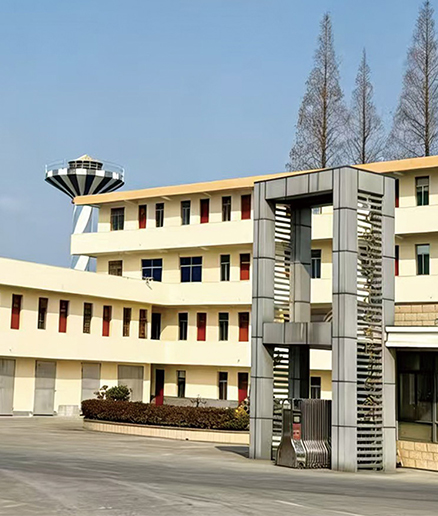
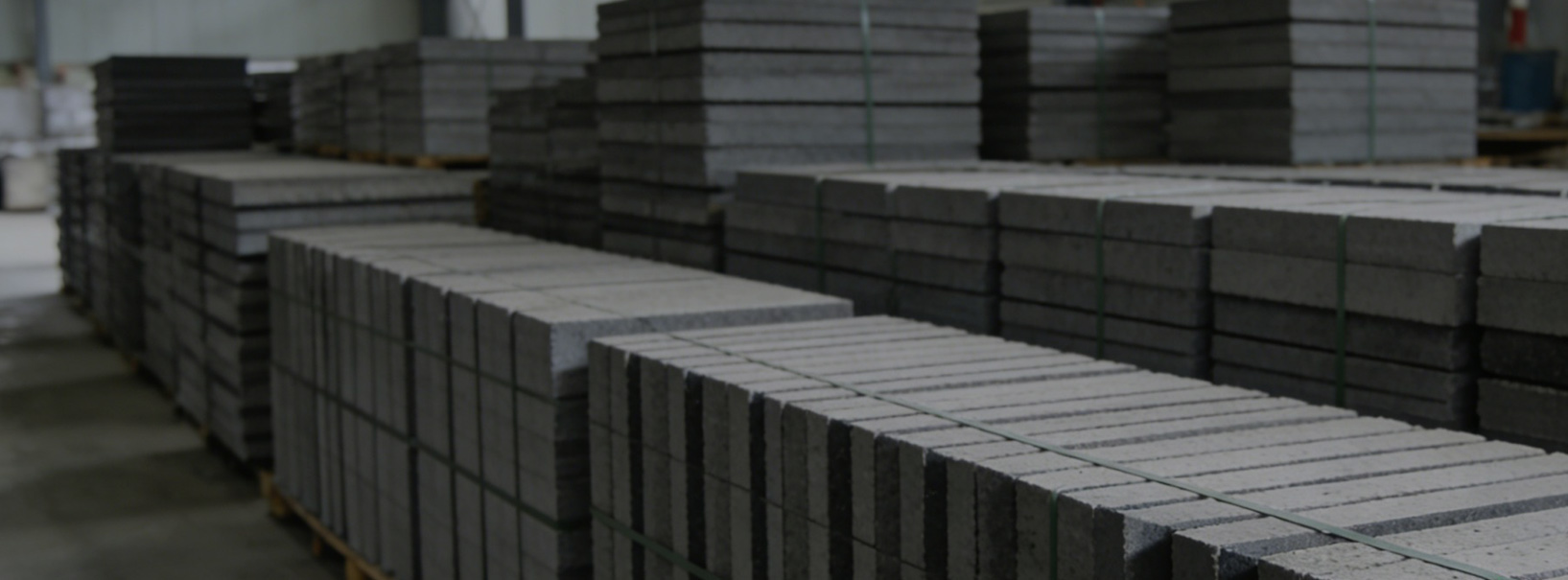
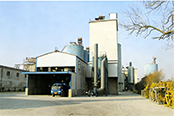
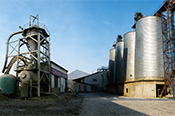
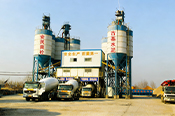
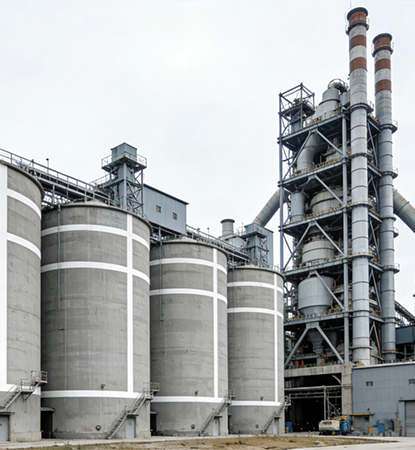
Located within the Guji Cement Co., Ltd. plant area in Jianhu County, our company operates under a unified management but separate accounting model with Guji. With a robust production scale of 200,000 tons of ultrafine powder and 600,000 cubic meters of commercial concrete per year, our annual sales revenue exceeds 200 million yuan.
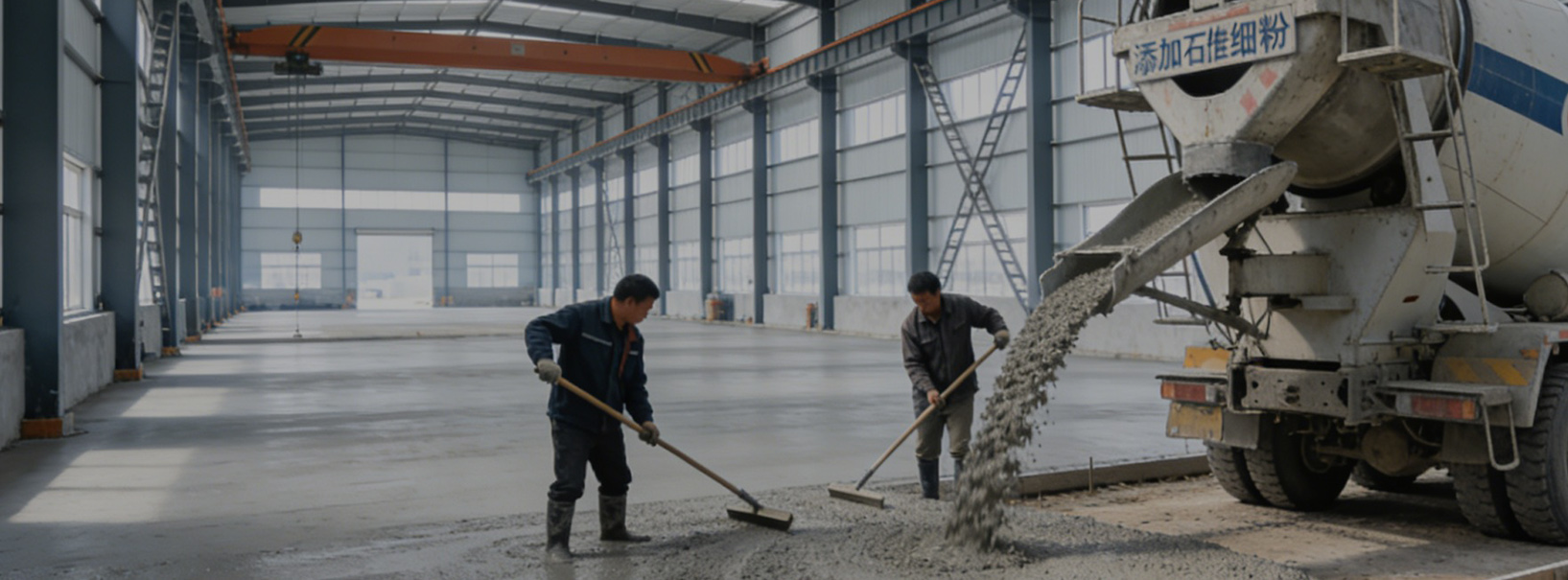
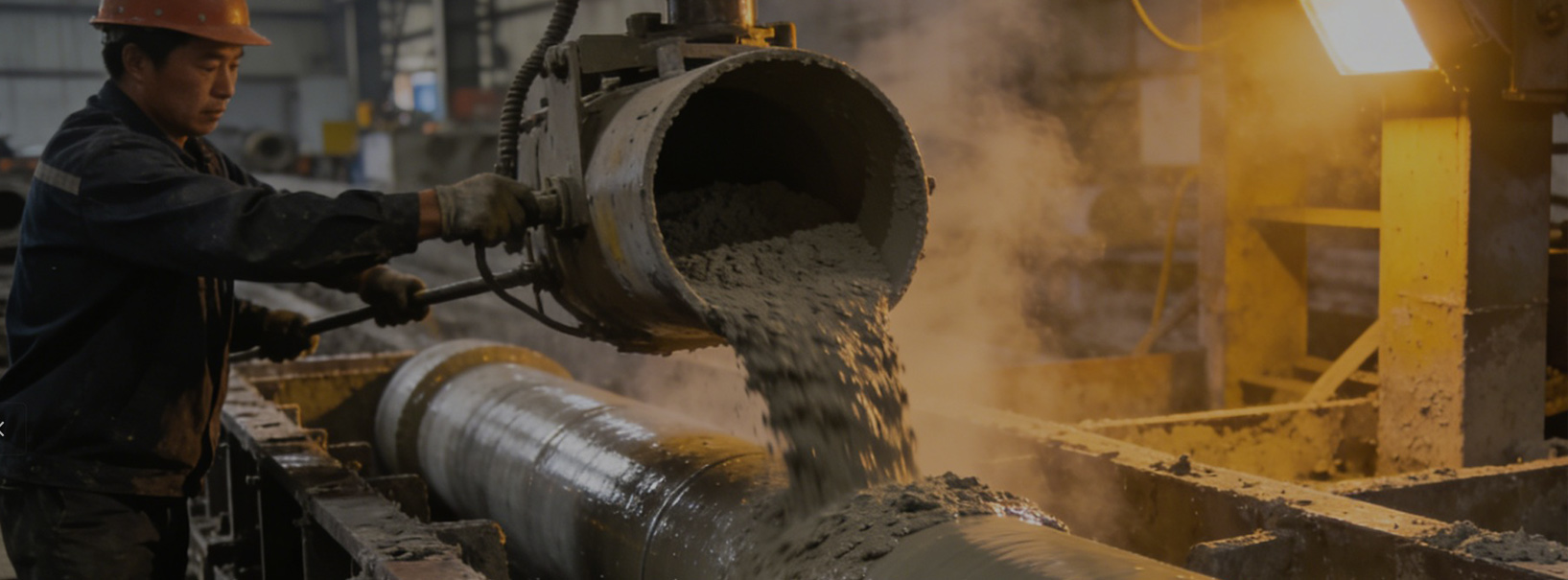
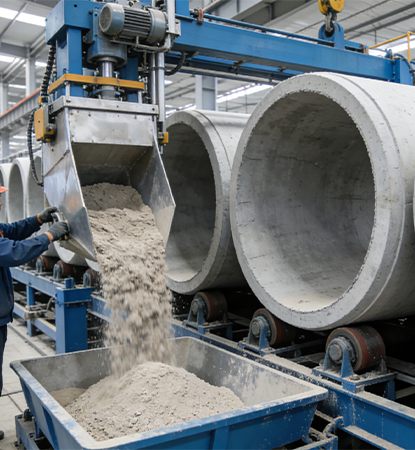
Our state-of-the-art production facilities include one φ3.2*13m ball mill, one φ2.6*13m ball mill, a modern concrete mixing system, and an advanced wet mortar mixing system. This setup ensures that we deliver top-tier materials for both structural construction and specialized surface coating applications.
Established
1958
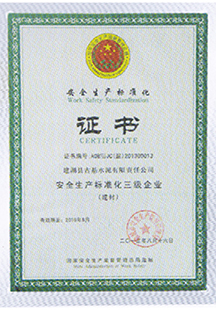
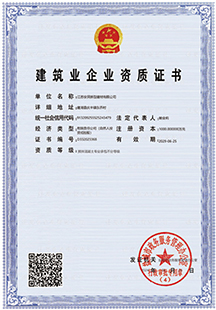
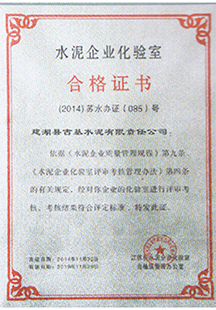
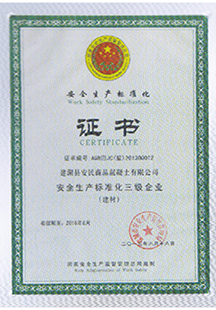
We strictly adhere to international standards including IATF 16949, CE, FMEA, PPAP, APQP, SPC, and MSA with 100% testing protocols to ensure ultimate reliability.

 Send
Email
 Phone
