Where there's space - there's possibility

Leave Your Message
Where there's space - there's possibility
High-Efficiency Mineral Additives
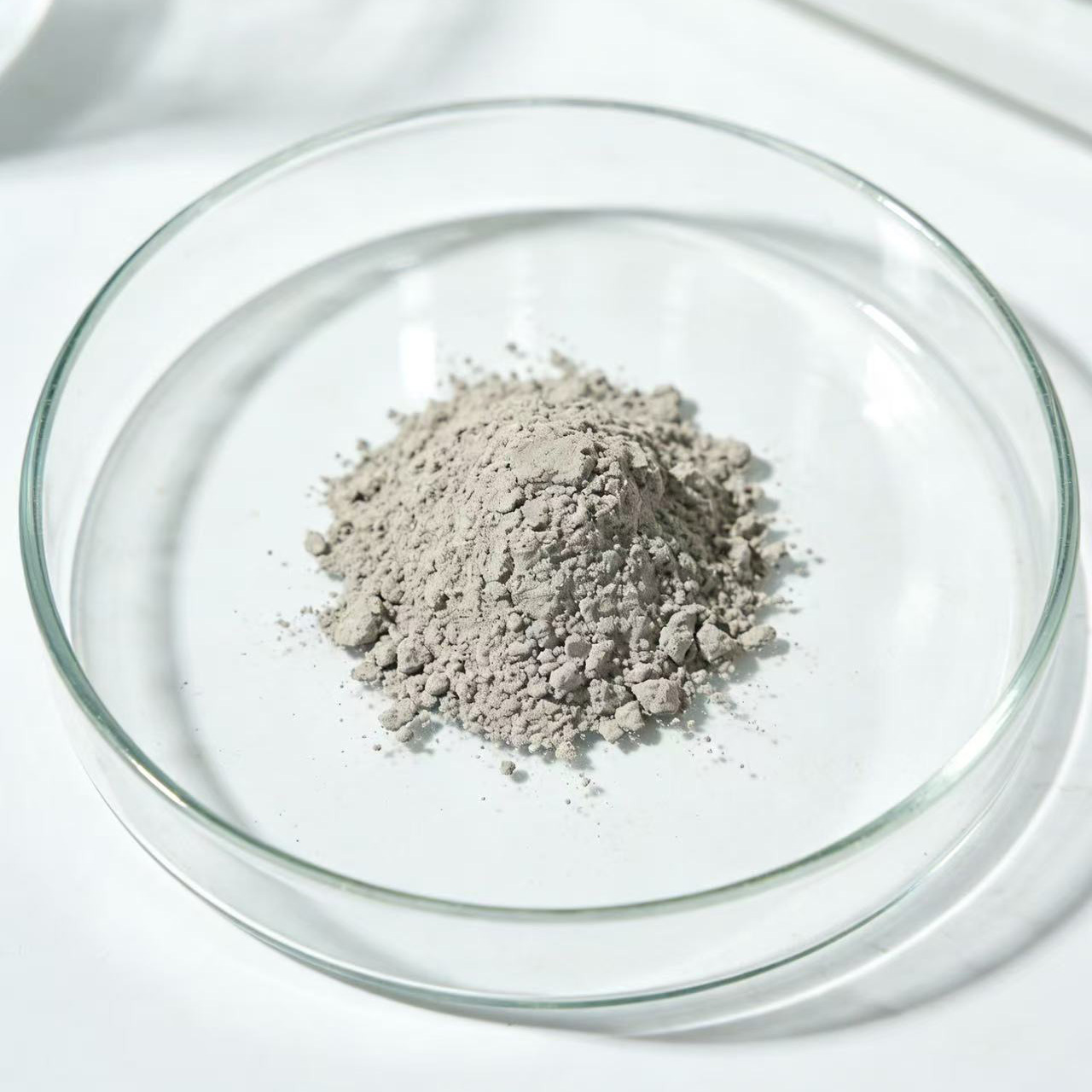
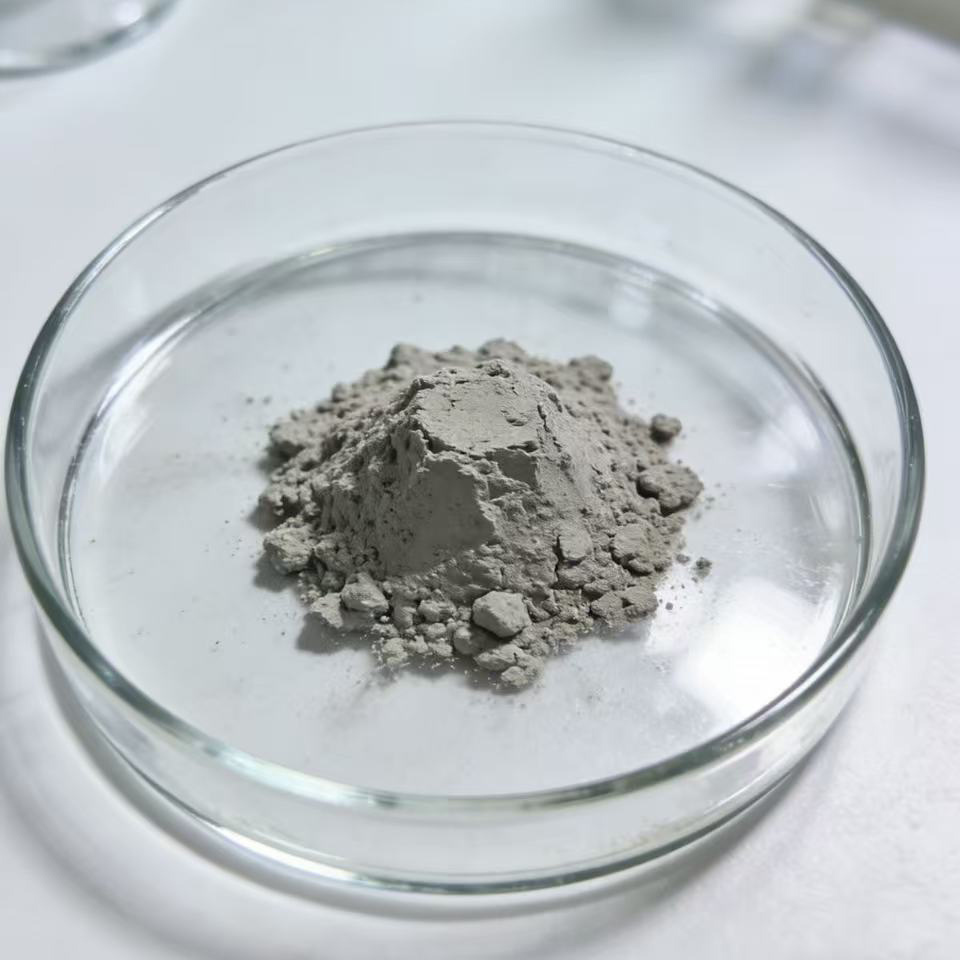
In the modern industrial landscape, the transition to sustainable energy is no longer just about generating electricity from wind, solar, or hydro sources. It requires a holistic overhaul of the materials used to construct these green energy assets. Concrete, the foundational element of global infrastructure, is responsible for approximately 8% of global carbon emissions, primarily due to the energy-intensive production of Portland cement clinker. To mitigate this ecological challenge, the integration of ultrafine powder as a key supplementary cementitious material (SCM) has emerged as a groundbreaking commercial and industrial standard.
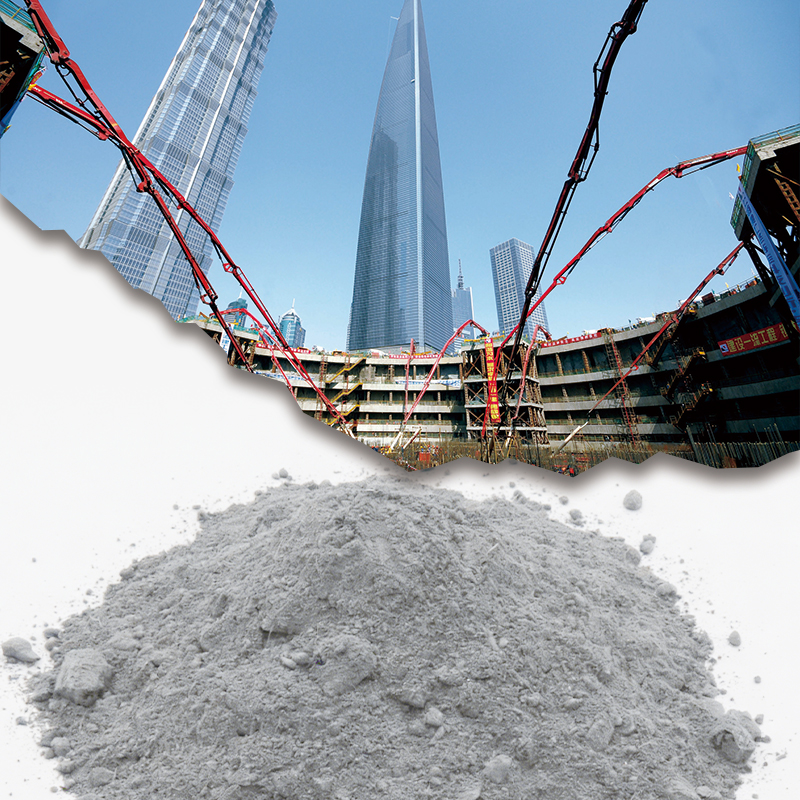
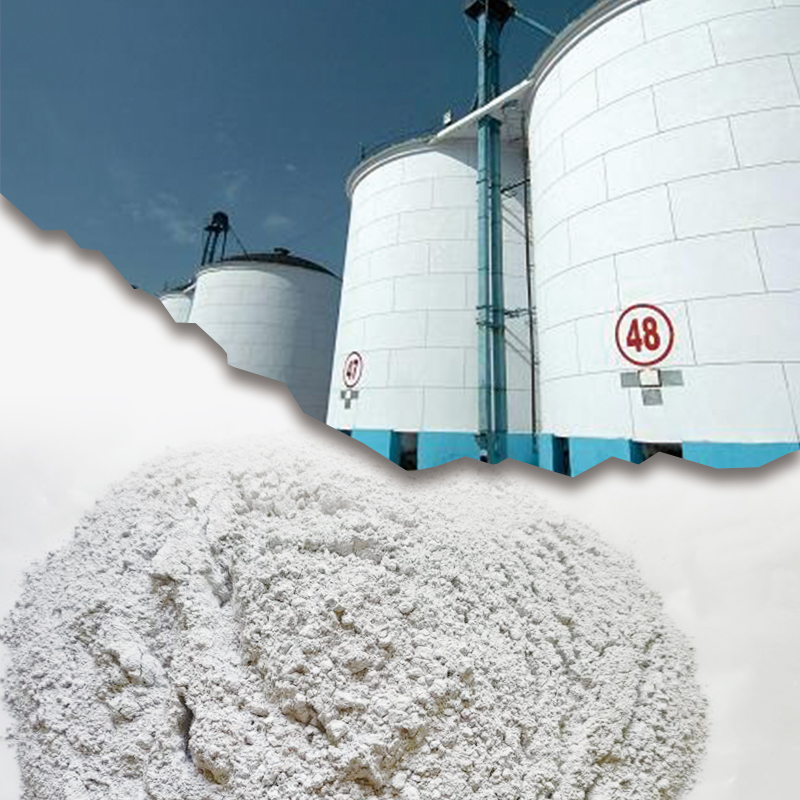
By refining the particle size distribution of industrial byproducts such as ground granulated blast furnace slag (GGBFS) and fly ash to micro-fine levels, manufacturers can significantly enhance the reactivity of these materials. This allows for high-dosage cement replacement (often exceeding 30%), directly translating to lower carbon emissions without compromising structural integrity. Whether it is the foundation of a mega-scale wind turbine or the structural casing of a geothermal energy well, ultrafine mineral admixtures provide the durability, chemical resistance, and carbon footprint reduction required for 21st-century green engineering.
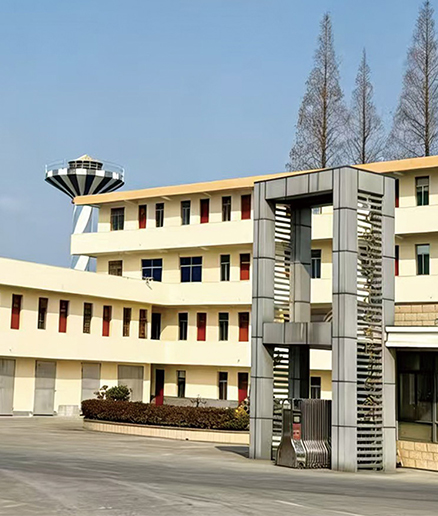
Jiangsu Anmin New Building Materials Co., Ltd.
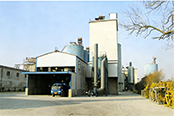
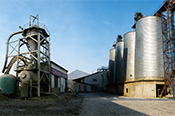
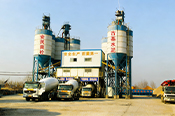
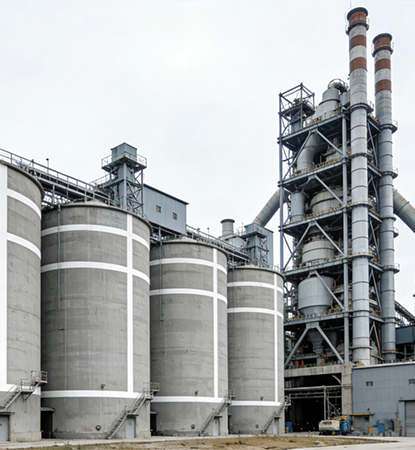
Established in 2010, Jiangsu Anmin New Building Materials Co., Ltd. represents a critical strategic expansion in our high-performance mineral product line. Operating within the Guji Cement Co., Ltd. plant area in Jianhu County under a unified management but separate accounting model, our facility boasts a robust production capacity.
We deliver 200,000 tons of ultrafine powder and 600,000 cubic meters of commercial concrete annually, generating sales revenue exceeding 200 million yuan. Our production line features advanced milling setups, including a φ3.2*13m ball mill, a φ2.6*13m ball mill, a concrete mixing system, and a wet mortar mixing system designed for maximum energy efficiency and product consistency.
The global market for ultrafine mineral powders is experiencing rapid expansion, driven by stringent carbon tax policies, environmental regulations, and corporate ESG mandates. In Europe, the Americas, and Asia, governments are placing strict limits on the carbon intensity of building materials. This commercial reality has turned what was once considered a waste disposal challenge—industrial slag and fly ash—into premium, highly sought-after raw materials. The processing of these minerals into ultrafine states (with D50 particle sizes under 15 microns) represents the cutting edge of industrial minerals engineering.
The industry is moving towards AI-driven particle size optimization. By utilizing real-time laser diffraction analysis during the milling process, grinding systems can adjust classification parameters automatically. This ensures that the particle size distribution (PSD) remains perfectly consistent, optimizing the packing density of the final concrete matrix. Additionally, composite blending—combining slag, fly ash, and silica fume in precise ratios—allows for tailormade chemical properties suitable for specific environmental exposures, such as high-temperature geothermal wells or freezing sub-sea foundations.
Real-World Implementation of Green Energy Material Solutions
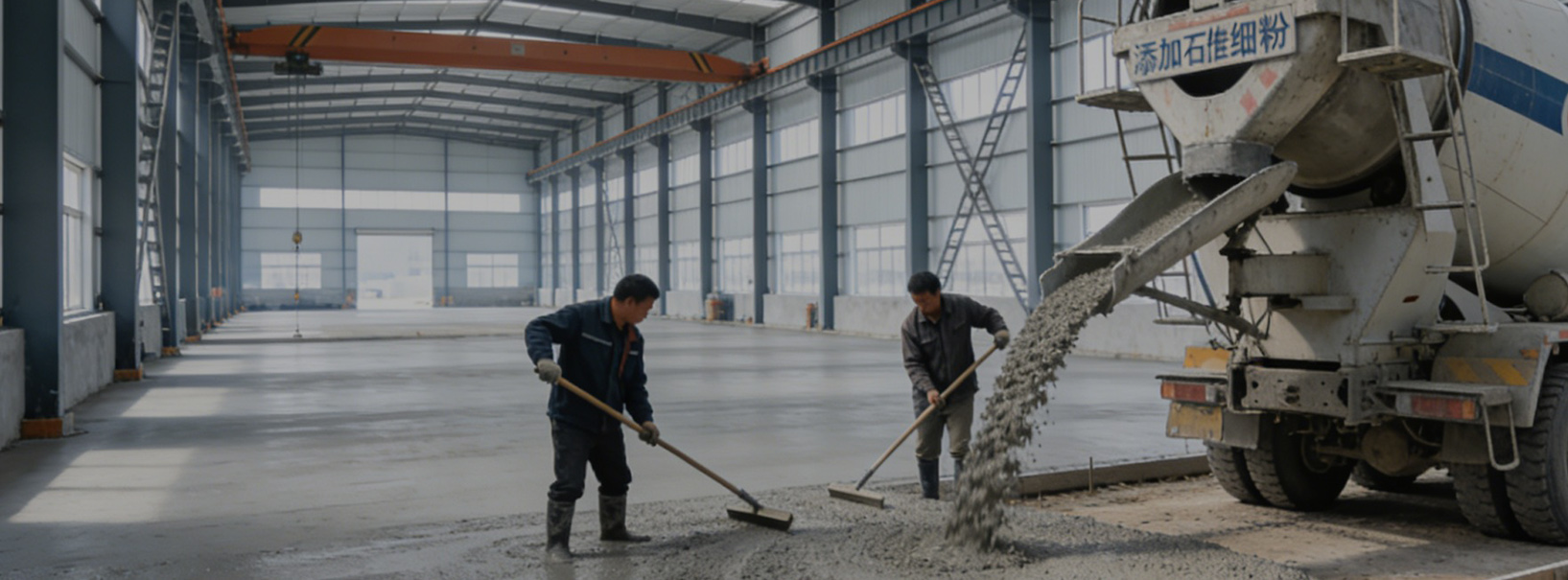
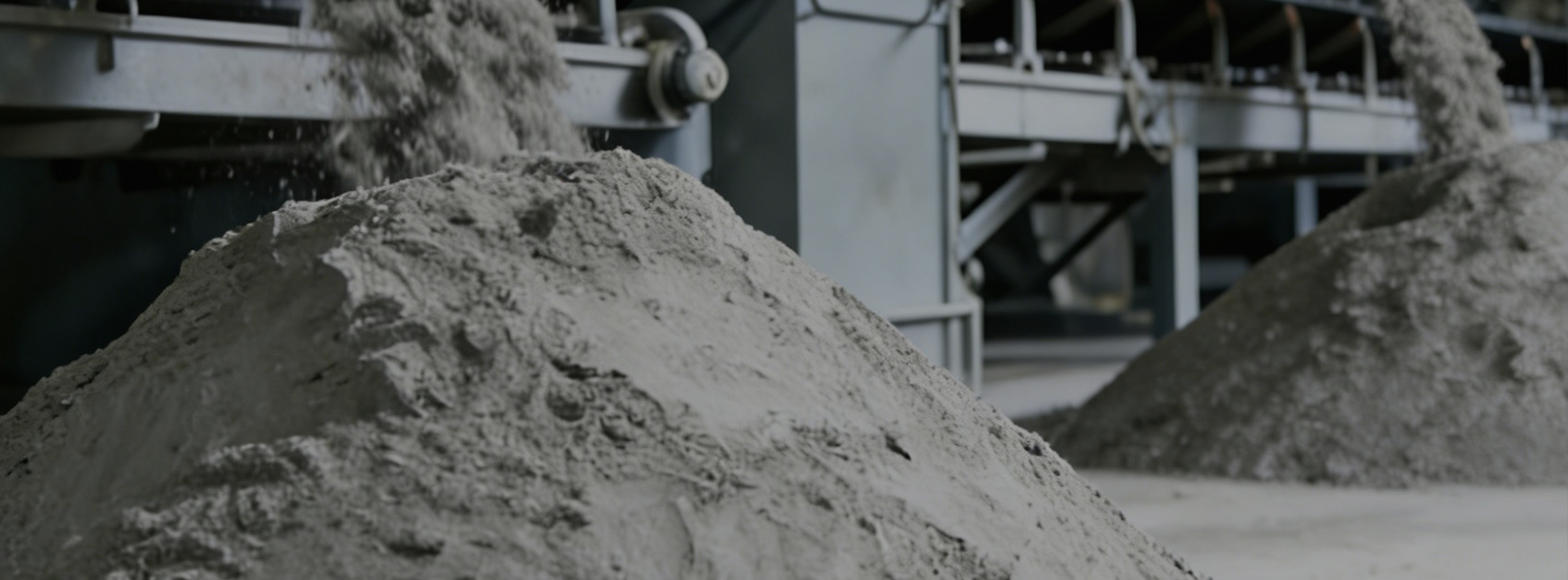
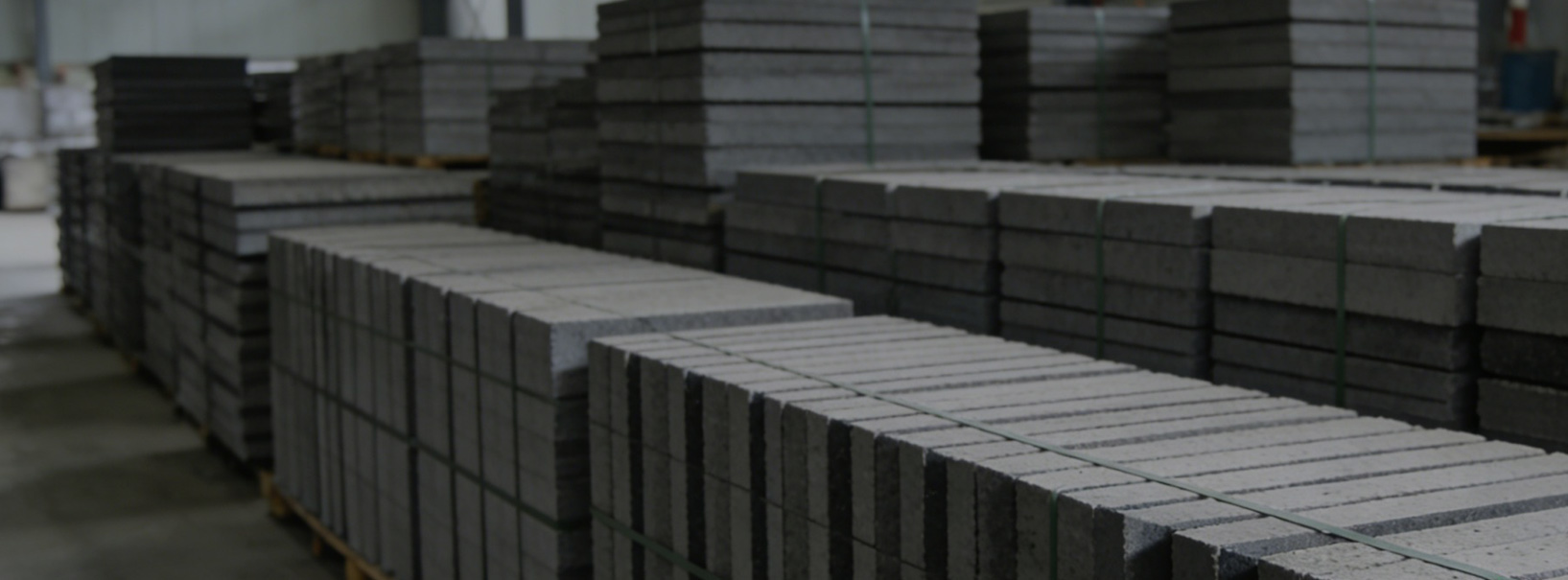
To fully appreciate the impact of ultrafine powders on sustainable development, we must analyze their performance across highly specialized engineering applications. These materials do not merely act as inert fillers; they actively participate in the chemical hydration process, altering the microstructure of the cementitious matrix at the nanoscale.
Offshore wind turbines are subjected to complex, continuous dynamic loads, wave actions, and corrosive marine environment exposures. The concrete used in these foundations must possess ultra-high durability and low permeability. Ultrafine GGBFS-fly ash blends with a D50 of 14.73μm fit this requirement perfectly. They block the micro-pores inside the concrete, preventing chloride ions from penetrating and corroding the internal steel reinforcement. Furthermore, the lower hydration heat generated by ultrafine composite powders prevents thermal cracking in the massive concrete blocks required for turbine gravity base foundations.
Geothermal energy extraction involves drilling deep into the earth's crust, where temperatures can exceed 200°C. Standard cement grouts undergo strength degradation under these hydrothermal conditions. Incorporating specialized ultrafine mineral admixtures rich in active silica prevents this degradation by promoting the formation of high-strength, thermally stable crystalline phases like tobermorite and xonotlite. The micro-fine particles also ensure excellent fluid flow properties, allowing the grout to fill tiny fissures in the rock formations surrounding the well casing.
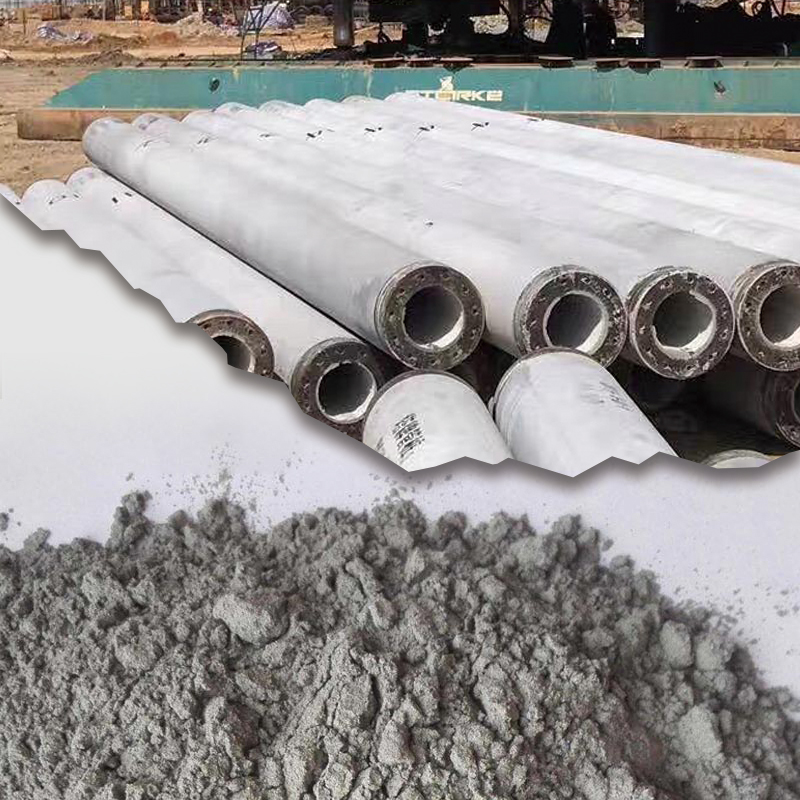
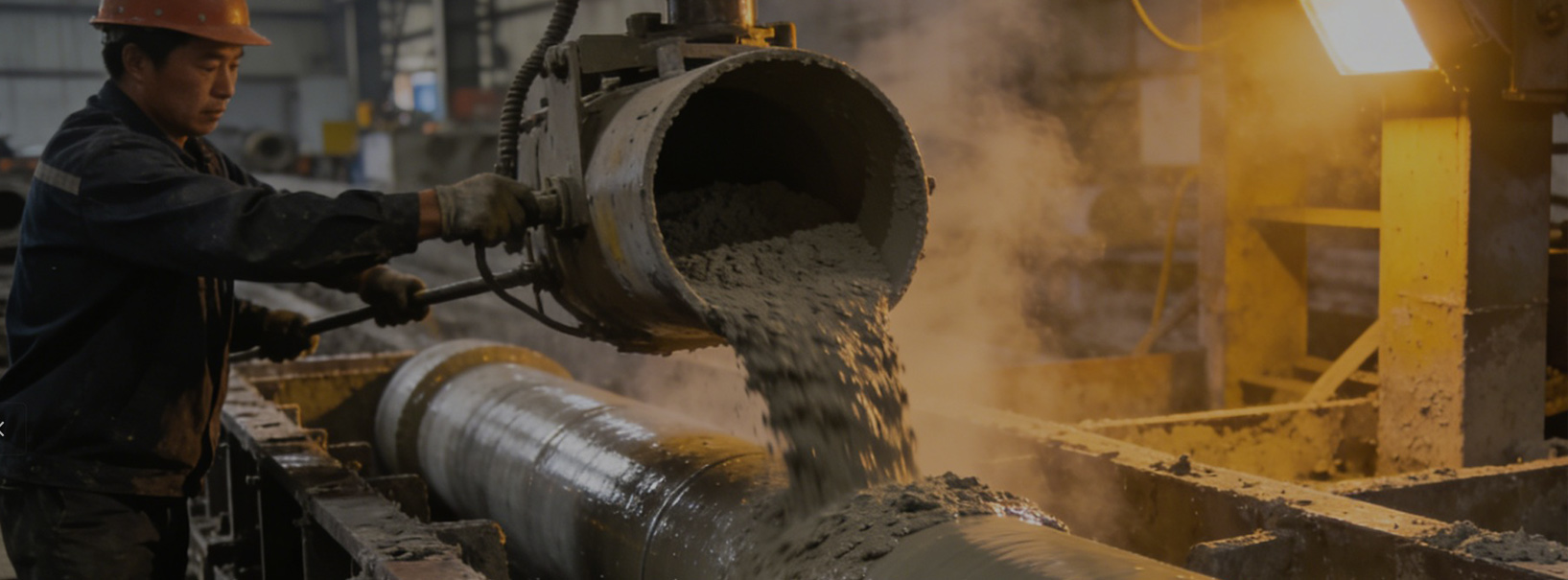
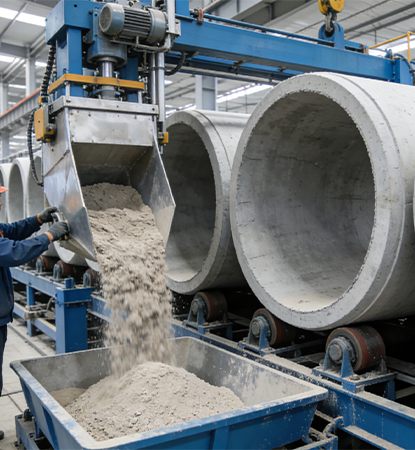
Solar farms and onshore wind turbines require hundreds of foundation piles to secure their structures. In the precast pipe pile industry, steam curing is commonly used to accelerate strength development. However, high-temperature steam curing can damage the long-term durability of concrete. By adding ultrafine mineral admixtures, manufacturers can achieve high early strength at lower steam temperatures or even eliminate steam curing entirely, saving massive amounts of thermal energy during production.
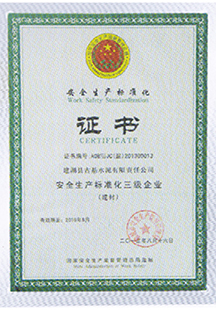
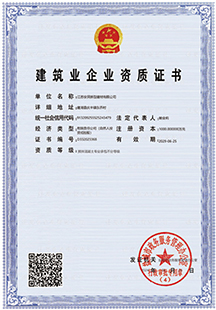
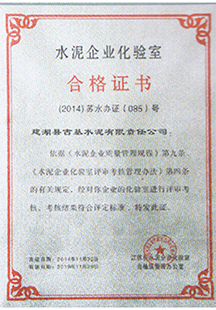
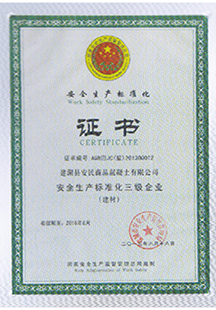
Our products undergo stringent testing to meet international standards. We strictly implement quality control protocols, including IATF 16949, CE, FMEA, PPAP, APQP, SPC, and MSA with 100% testing verification. This ensures that every batch of ultrafine powder delivered to our global partners meets the exact mechanical and environmental specifications required for high-stakes green energy infrastructure.
High-Quality Product Case Studies & Specifications
Stay Updated with Our Technological Advancements
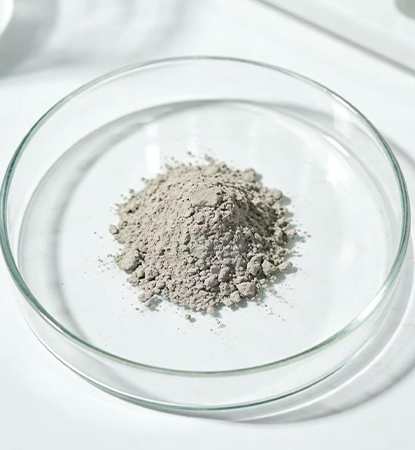
To assist engineers, procurement officers, and project managers in selecting the optimal mineral admixtures for their green energy projects, we have compiled a comprehensive reference guide addressing the key technical attributes of ultrafine powders.
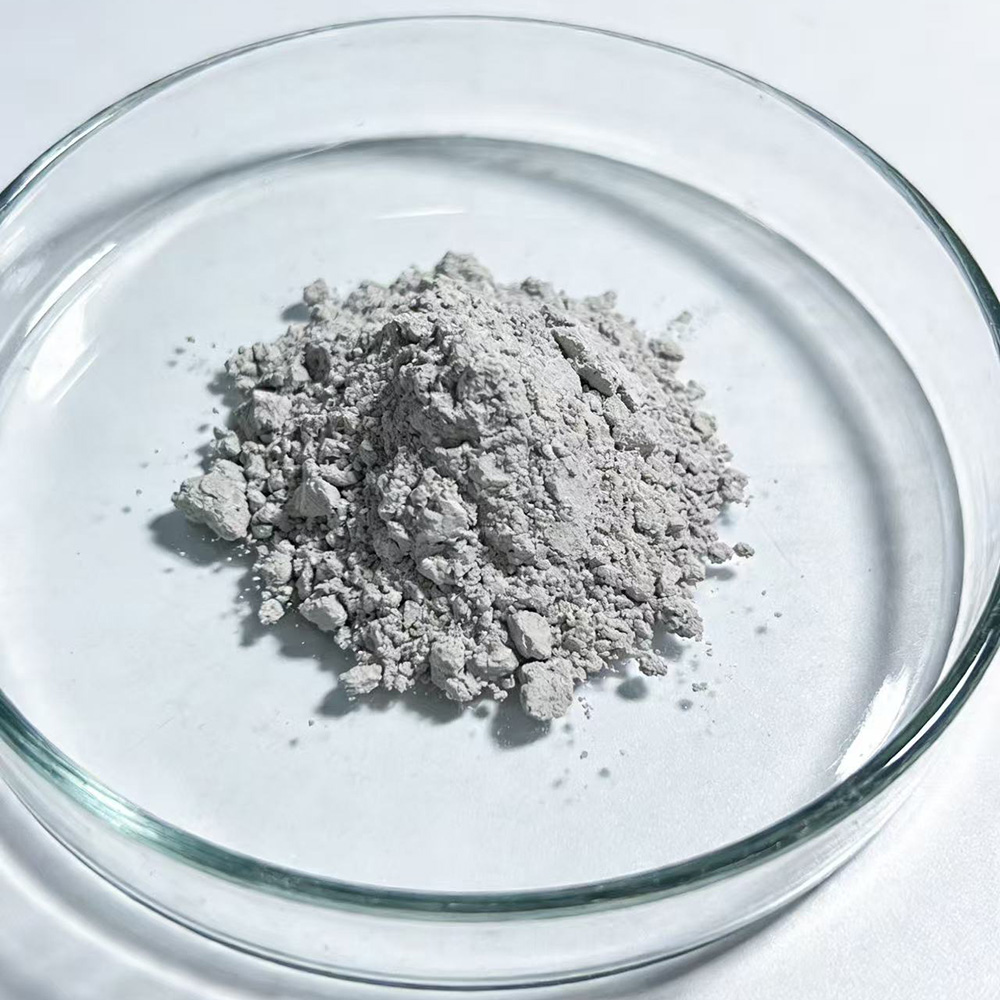
Standard mineral admixtures, such as conventional fly ash or slag, typically have a particle size distribution where the median particle size (D50) ranges between 20 to 45 microns. In contrast, ultrafine powders are engineered to achieve a D50 of less than 15 microns (specifically D50=14.73μm in our premium blend). This extreme fineness drastically increases the specific surface area, which accelerates chemical reactions (pozzolanic activity) and enhances the micro-filling capacity within the cement paste.
For every ton of ordinary Portland cement (OPC) replaced by ultrafine mineral powder, the carbon footprint of the resulting concrete is reduced by approximately 800 kg of CO2. When applied to large-scale green energy projects—such as the massive concrete foundations required for wind turbine towers or hydroelectric dams—this substitution allows developers to achieve significant carbon offsets, directly contributing to net-zero construction goals.
On the contrary, it enhances it. The combination of the micro-filler effect and accelerated pozzolanic reaction results in a denser microstructure. The ultrafine particles react with calcium hydroxide (a weak byproduct of cement hydration) to form additional calcium silicate hydrate (C-S-H) gel, which is the primary binding agent responsible for strength. This leads to higher late-stage compressive strength, improved tensile strength, and superior durability compared to standard concrete mixes.
Marine structures, such as offshore wind foundations or tidal turbines, are highly vulnerable to chloride penetration, which leads to steel reinforcement corrosion. Ultrafine mineral admixtures refine the pore structure, closing off capillary channels. This reduces water and chloride permeability by up to 90%, significantly extending the operational lifespan of structures exposed to marine environments.
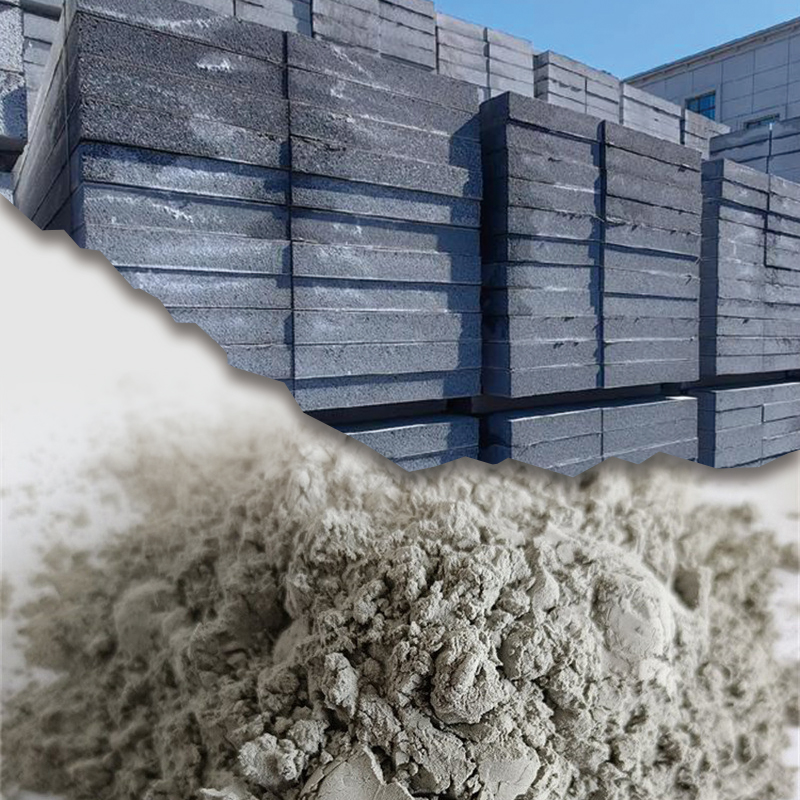
Yes. Depending on the design requirements of the project—whether it requires high early strength, low heat of hydration, or fireproof thermal insulation—we can adjust the composition and particle size distribution. For instance, our cement-based fireproof insulation ultrafine powder is engineered specifically to optimize thermal resistance and structural safety in industrial buildings.

 Send
Email
 Phone