Where there's space - there's possibility

Leave Your Message
Where there's space - there's possibility
In the modern automotive care and industrial coating sectors, the demand for superior surface characteristics has driven manufacturers to explore high-performance particulate technologies. As a leading ultrafine powder manufacturer, we stand at the intersection of material science and surface engineering, producing micro-fine mineral admixtures that fundamentally transform paint systems, protective sealants, and automotive detailing compounds.
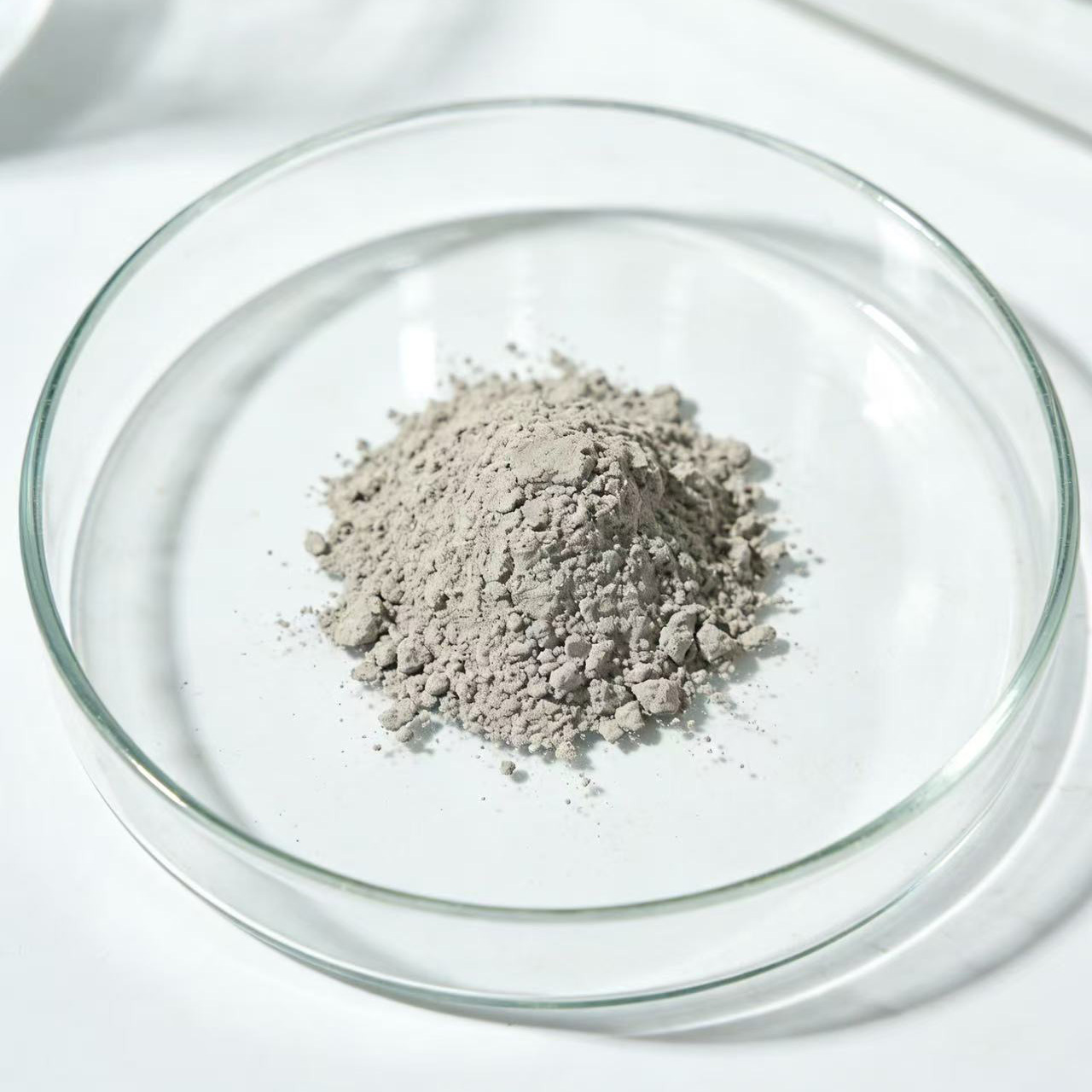
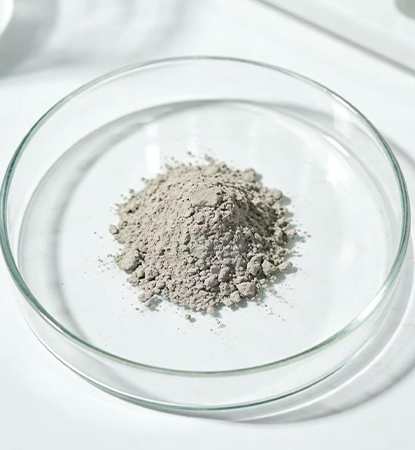
Traditional fillers like standard calcium carbonate or coarse silica often result in uneven film distribution, reduced gloss levels, and compromised structural resilience. By contrast, our engineered ultrafine mineral powders, including specialized fly ash blends and Ground Granulated Blast-Furnace Slag (GGBFS) composites, offer a narrow particle size distribution (PSD) that fills the microscopic voids within polymer matrices. This micro-filler effect dramatically increases the packing density of coatings, which yields a smoother finish, enhances color depth, and reinforces the cured film against chemical attack and physical abrasion.
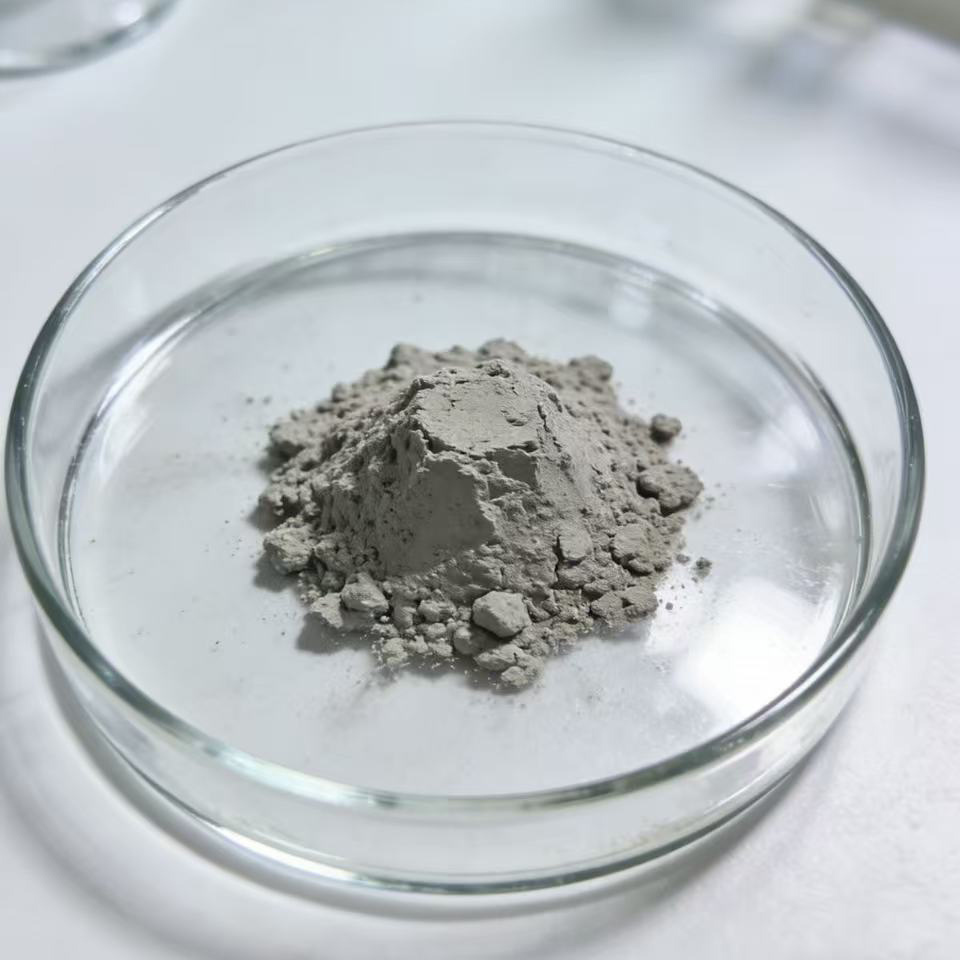
Ultrafine powders act as functional fillers rather than passive extenders. Their applications span across several critical domains within the automotive care and surface treatment industries:
Automotive undercoats require superior adhesion to metal substrates and excellent corrosion resistance. Integrating high-strength ultrafine composite powders enhances the barrier effect of the coating. The microscopic, plate-like or spherical mineral particles create a tortuous path for moisture and corrosive ions, effectively delaying the onset of rust. Furthermore, the high surface area of ultrafine particles improves chemical bonding with the metal surface, minimizing peeling under extreme thermal or mechanical stress.
The clear coat is the vehicle's first line of defense against UV radiation, acid rain, and physical abrasions like car wash scratches. By incorporating micro-fine mineral powders with controlled particle size distribution (such as our D50=14.73μm blend), manufacturers can improve the mechanical hardness of the cured clear coat without sacrificing transparency. The particles distribute evenly, absorbing and dispersing localized mechanical forces that would otherwise cause visible scratching.
In the consumer automotive care market, liquid ceramic coatings and hybrid wax sealants rely on sub-micron particles to fill the microscopic imperfections of the clear coat. Engineered mineral powders act as key precursors or structural templates in these formulations, ensuring a perfectly level surface that reflects light uniformly to generate that coveted "wet-look" mirror finish. Additionally, these powders enhance the hydrophobic properties of the sealant, allowing water to bead and roll off effortlessly.
For specialized automotive components, such as engine bays and exhaust surrounds, thermal management is paramount. Our fireproof insulation grade ultrafine powders are designed to withstand elevated temperatures. When blended into specialty coatings, they form a stable, non-combustible barrier that limits heat transfer, protecting sensitive electronic components and structural elements from thermal fatigue.
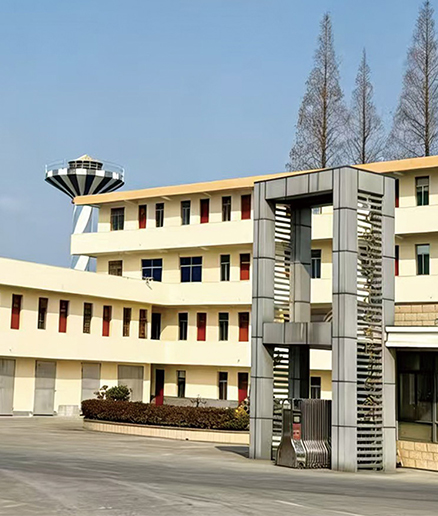
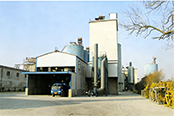
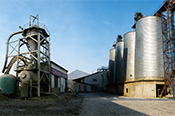
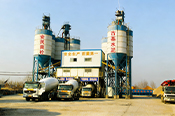
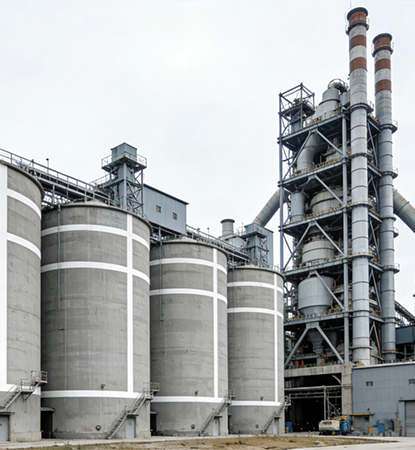
Established in 2010, Jiangsu Anmin New Building Materials Co., Ltd. (operating commercially as Yancheng Yuanlai Commerce & Trade Co., Ltd.) represents a strategic evolution in high-precision mineral powder manufacturing. Located within the Guji Cement Co., Ltd. plant area in Jianhu County, our company operates under a highly efficient unified management but separate accounting model.
Our state-of-the-art facility boasts an annual production scale of 200,000 tons of ultrafine powder and 600,000 cubic meters of commercial concrete, driving annual sales revenues past the 200 million yuan mark. Our primary manufacturing asset configuration includes one φ3.2*13m ball mill and one φ2.6*13m ball mill, supplemented by advanced concrete and wet mortar mixing systems. This heavy industrial capability allows us to process raw mineral materials into highly refined, uniform powders suitable for both heavy construction and high-grade industrial coatings.
The manufacturing of ultrafine powders has transitioned from basic mechanical pulverization to highly controlled particle engineering. Modern coating systems demand precise control over particle shape, surface energy, and chemical purity. As an industry-leading ultrafine powder manufacturer, we focus on several key advancements:
Spherical particles are highly preferred in automotive coatings because they act like microscopic ball bearings, reducing fluid viscosity and allowing for higher solid loading. During our milling processes, we monitor the aspect ratio of the particles to ensure optimal leveling and flow. This results in coatings that dry to a flat, mirror-like finish with minimal orange peel effect.
Sustainability is a major driver in modern chemical engineering. By utilizing industrial by-products like GGBFS and fly ash, we transform pre-consumer solid waste into high-value mineral additives. This not only reduces the carbon footprint of the coating raw materials but also enhances the durability of the final product due to the latent pozzolanic activity of the minerals.
Large particles cause surface defects and paint seeds, while excessively small nanoparticles can agglomerate and create localized weak spots. Our milling technology achieves a highly consistent D50 value of approximately 14.73μm. This specific size range strikes the perfect balance between effective space-filling and ease of dispersion in liquid binders, preventing sedimentation during storage.
When mixed into acrylic, polyurethane, or epoxy resins, our ultrafine mineral powders interact favorably with the polymer chains. The high surface-area-to-volume ratio of the powder ensures that the resin wraps tightly around each particle, creating a reinforced composite network that resists cracking, chipping, and chemical degradation from road salts and detergents.
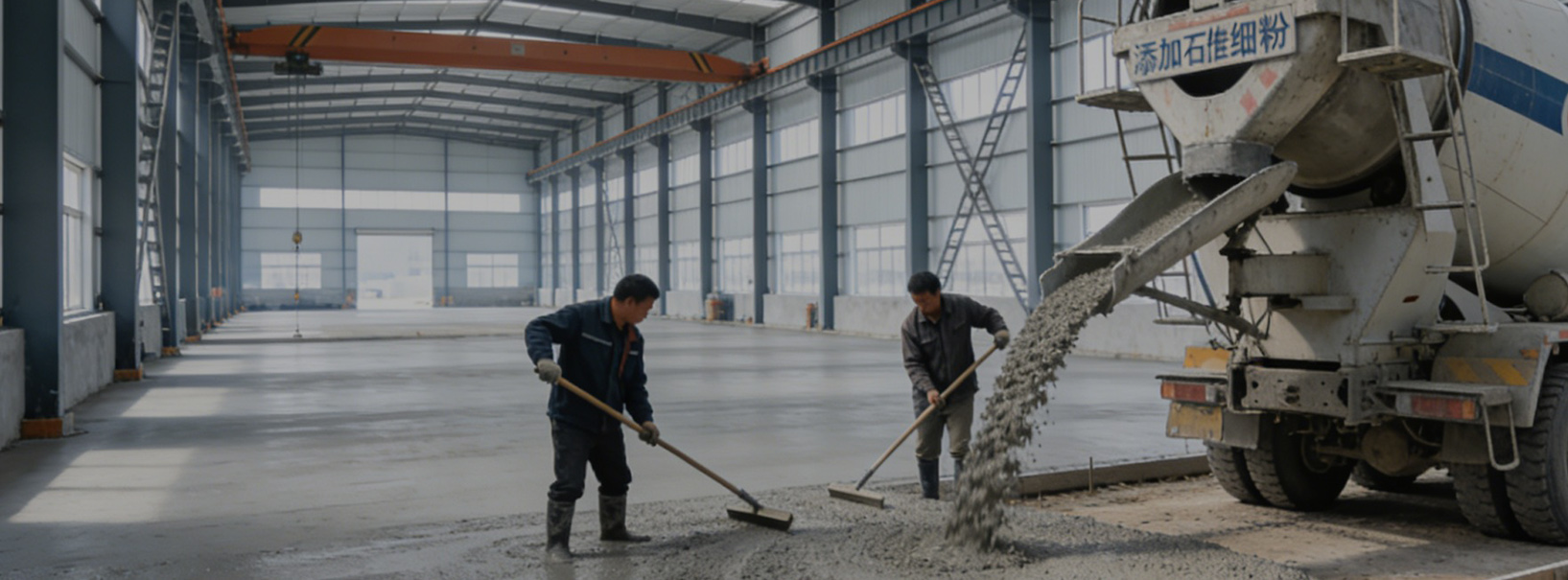
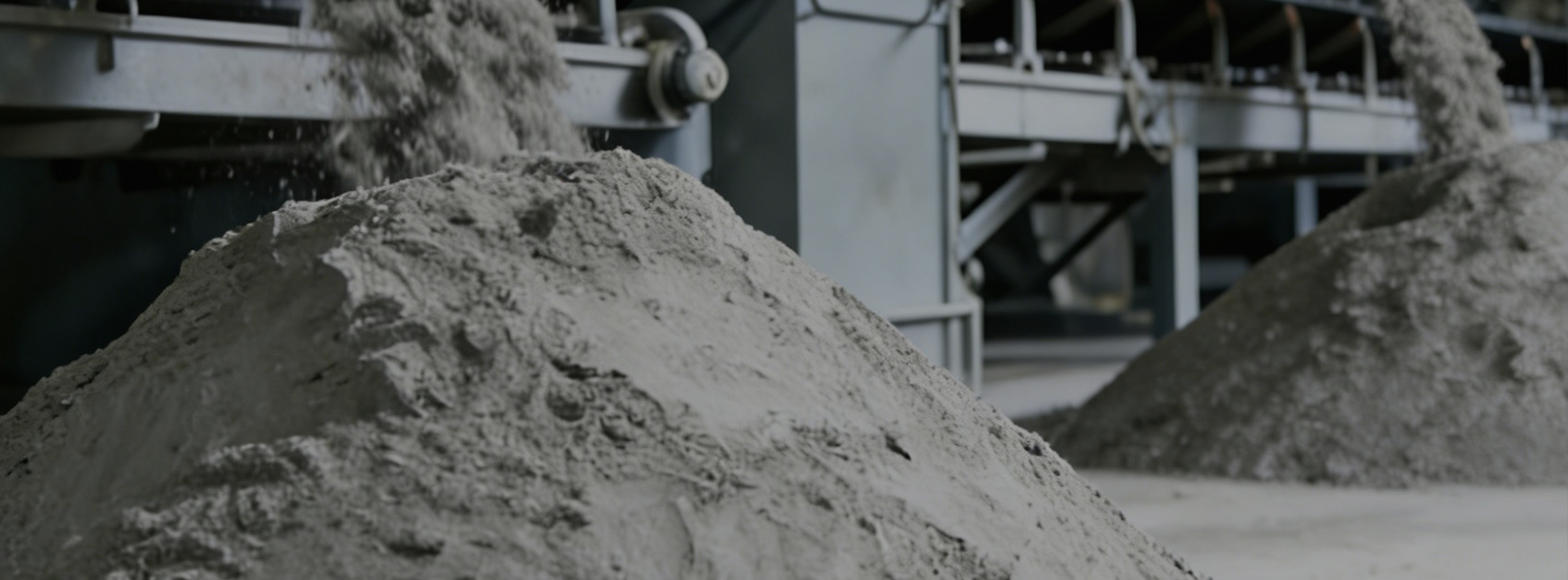
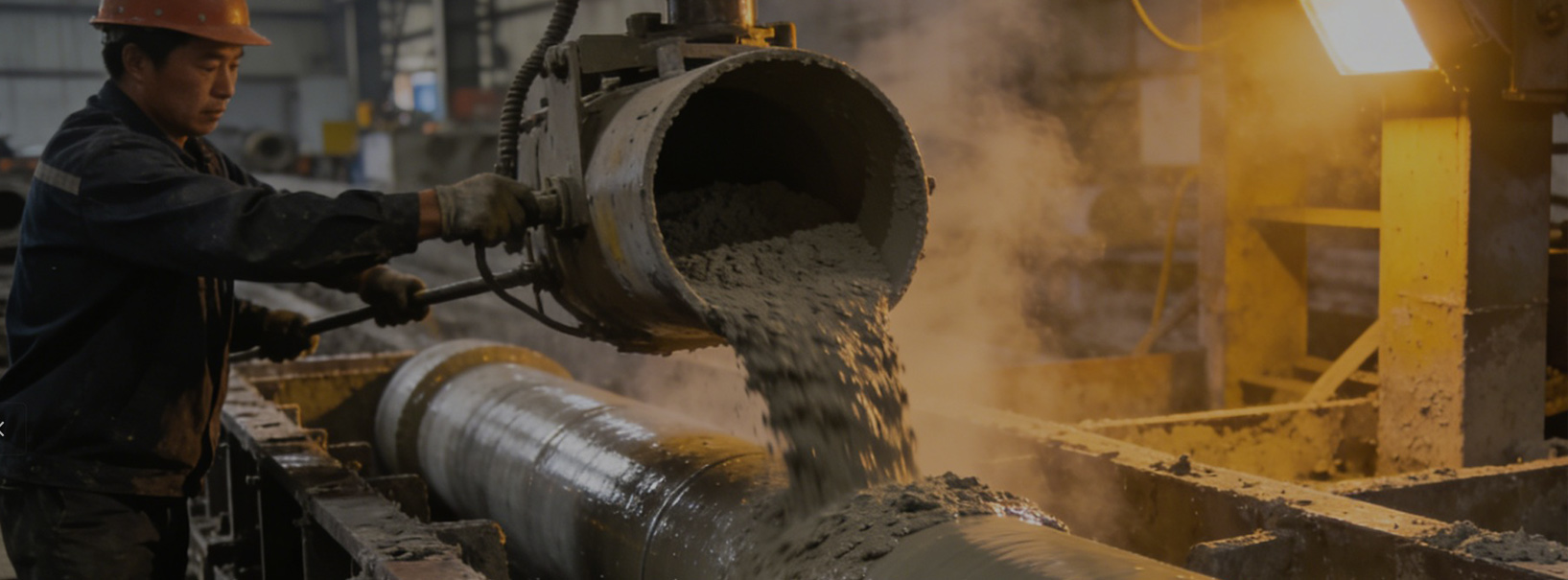
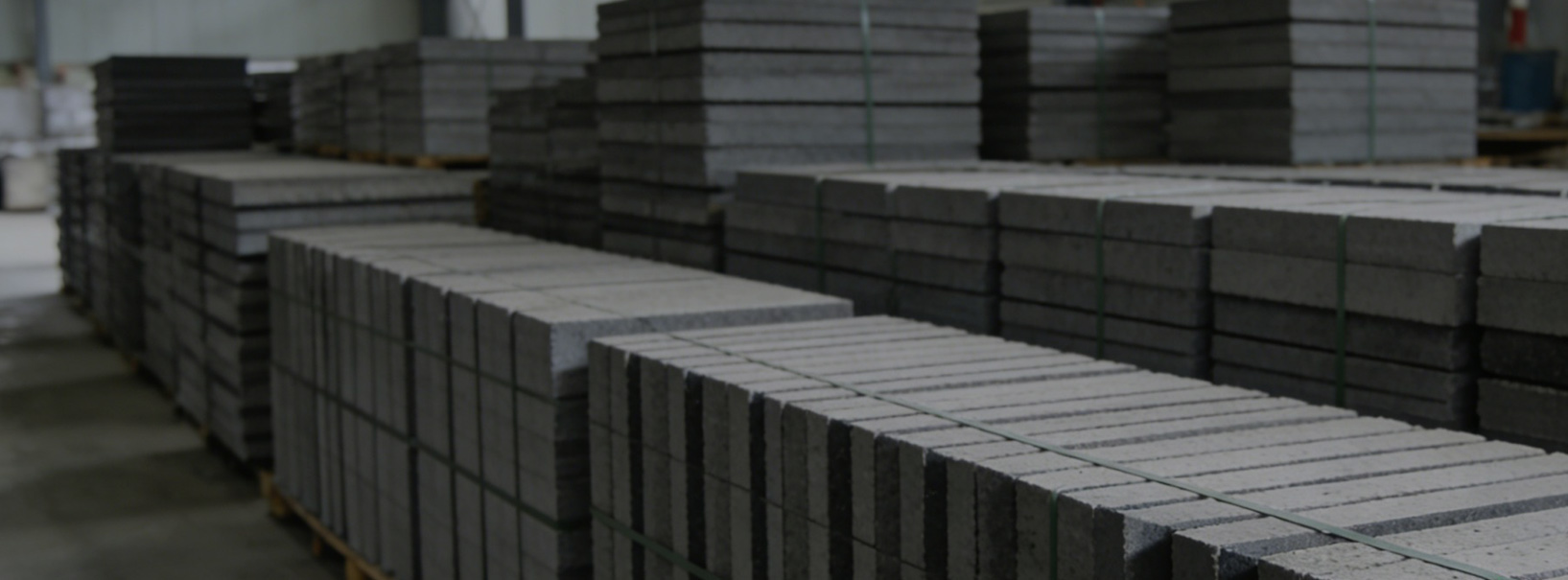
Our manufacturing processes follow strict international quality protocols. From raw material sourcing to final packaging, we employ continuous monitoring to guarantee batch-to-batch consistency. We adhere to standards including IATF 16949, CE, FMEA, PPAP, APQP, SPC, and MSA with 100% testing.
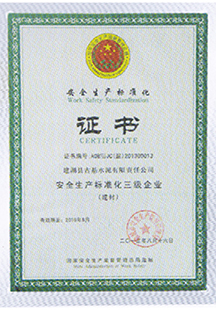
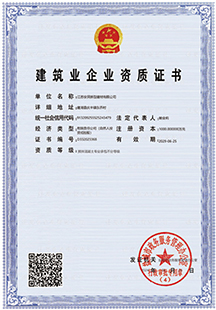
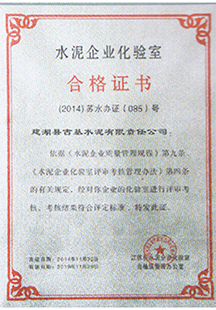
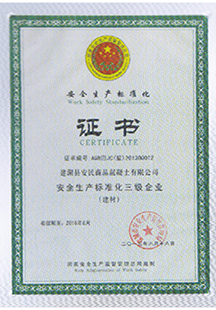
Leveraging over six decades of industrial heritage since 1958, we combine time-tested processing wisdom with modern AI-driven milling controls.


 Send
Email
 Phone
